


Softwood vs Hardwood Gates: Which Suits You?
- Mark C
- Jun 21
- 6 min read
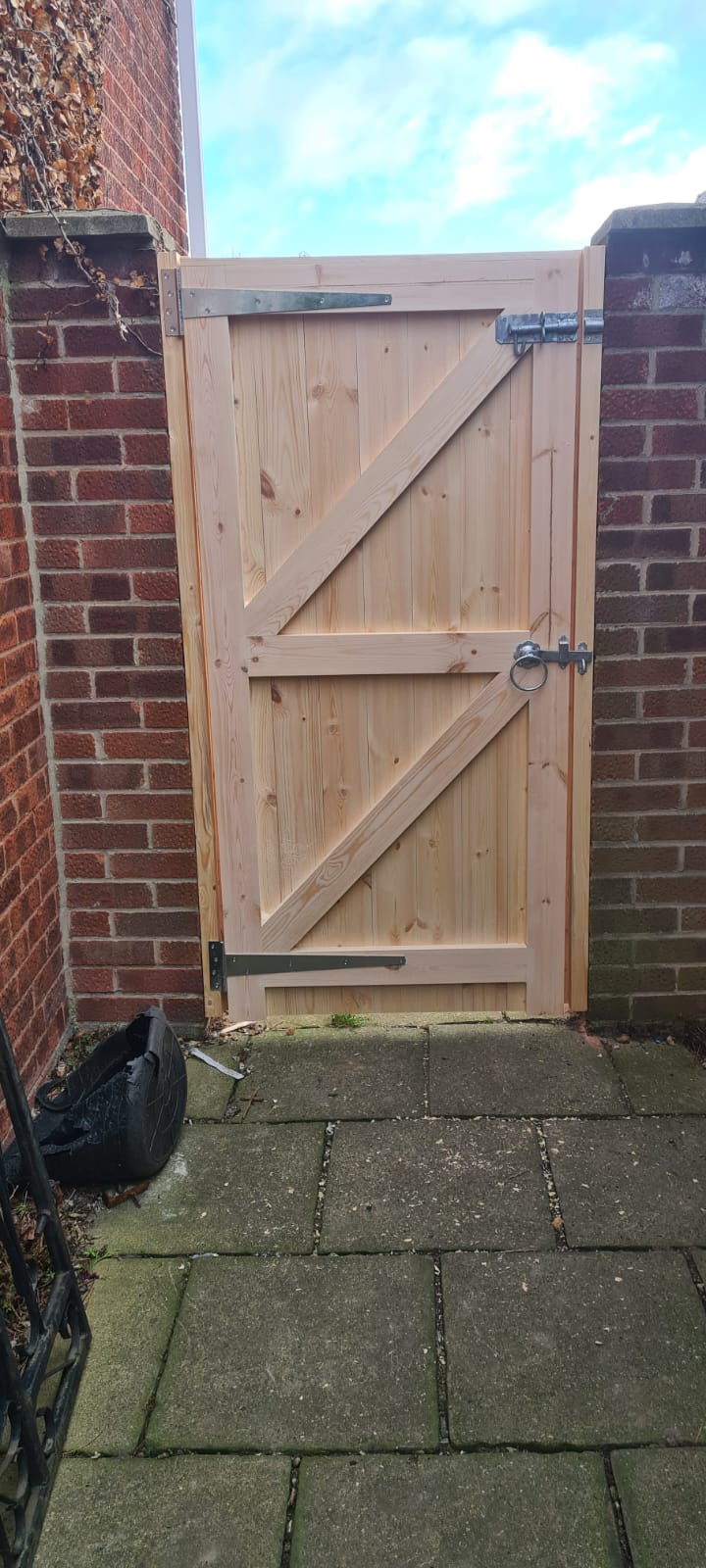
A gate has to do more than look good from the road. It needs to cope with rain, sun, movement in the timber, daily use, and the general wear that comes with life outside. That is why the question of softwood vs hardwood gates matters so much. The right choice is not simply about picking the dearer timber and assuming it will last longer. It comes down to construction, stability, maintenance, budget, and what you need the gate to do.
For many homeowners, the choice starts with a simple assumption: hardwood is premium, softwood is basic. There is some truth in that, but it is far from the whole picture. A well-made softwood gate can outperform a poorly built hardwood one, and for plenty of homes it offers the better balance of value, strength and appearance.
Softwood vs hardwood gates: what is the real difference?
The main difference is the timber itself. Softwoods usually come from faster-growing conifer trees, while hardwoods come from slower-growing broadleaf trees. In gate terms, that usually means softwood is more affordable and more widely used, while hardwood is denser, heavier and usually more expensive.
That said, density alone does not decide whether a gate will serve you well. Outdoor gates are exposed to moisture changes throughout the year. Timber expands and contracts. If the design, joinery and preparation are poor, even a costly hardwood gate can twist, split or become troublesome over time.
This is where many buyers are caught out. They compare species names and miss the more important question: how has the gate been made?
Why construction matters as much as timber choice
A gate is only as good as its build quality. Proper mortice and tenon joints, exterior-grade adhesives, solid dowelled construction and careful assembly all play a major part in how a gate performs. So does the timber format itself.
Engineered softwood has become a strong option for homeowners who want better stability without paying hardwood prices. Because it is built from laminated sections rather than one large solid piece, it can be more resistant to warping and movement than standard pressure-treated timber. For an external gate, that matters.
This is one reason many British homeowners now look beyond the old softwood-hardwood hierarchy. A handmade gate built from engineered timber, with sound joinery and proper finishing, can offer long service and a tidy appearance at a much more sensible cost.
Cost: the biggest dividing line
If budget is a serious factor, softwood usually wins comfortably. Hardwood gates often come with a noticeably higher price, especially in larger driveway sizes or bespoke dimensions. That can be worthwhile if you want a particular look or you are matching existing hardwood joinery, but it is not always the best use of your money.
In practical terms, many customers would rather invest in a well-made softwood gate with quality posts, hinges and protective treatment than stretch their budget on hardwood alone. The gate may only be one part of the job. Once you add posts, ironmongery, fixings, finishes and installation, the difference becomes more significant.
For homeowners balancing appearance, durability and value, softwood often makes more financial sense. That is particularly true when the gate is made to order rather than bought off the shelf.
Appearance and character
Hardwood has a reputation for rich natural colour and pronounced grain, and that appeal is genuine. If you want a gate with a naturally darker tone and a traditional premium look, hardwood can be very attractive.
Softwood has a lighter appearance and tends to take stains, paints and protective coatings very well. That gives you more flexibility if you want to match fencing, doors, windows or other timber features around the property. Painted finishes and coloured oils can look excellent on softwood, especially when the gate has been made with care and a clean, balanced design.
So the appearance question is not really about better or worse. It is about whether you want the natural prestige of hardwood or the adaptable finish options and value of softwood.
Durability outdoors
This is the area where buyers often expect hardwood to pull far ahead. In some cases it does, but not always by the margin people imagine.
A durable gate needs timber that can handle the weather, but it also needs sensible proportions, strong joints and proper treatment. Hardwood is often naturally durable, but it is also heavier. That extra weight places more strain on hinges, posts and fixings. If those parts are underspecified, the gate can drop or become awkward in use.
Softwood is lighter, which can be an advantage on garden gates and even some driveway gates. It is often easier to hang, easier to handle and less demanding on the supporting hardware. When it is properly manufactured and maintained, it can provide very good longevity.
The real answer is that durability depends on the whole gate system, not just the timber species. A carefully built softwood gate with sound ironmongery and regular upkeep can be a better long-term choice than a hardwood gate bought on name alone.
Maintenance: what should you expect?
No timber gate is maintenance-free. That applies to both softwood and hardwood. If a gate is left untreated or neglected, the weather will take its toll.
Softwood gates generally benefit from regular coating with a suitable exterior oil, stain or primer-and-topcoat system, depending on the finish you want. Hardwood also needs care, particularly if you want to preserve its colour. Left exposed, many hardwoods weather to a silvery tone, which some owners like and others do not.
The important point is to be realistic. If you are happy to inspect and maintain your gate as part of normal home upkeep, both materials can work well. If you want the easiest route to affordable long-term ownership, a properly made softwood gate with a straightforward maintenance routine is often the more practical answer.
Softwood vs hardwood gates for different parts of the home
For a front garden gate or side access gate, softwood is often more than sufficient. These gates need to be reliable, neat and secure, but they do not always justify the extra cost of hardwood.
For larger driveway gates, the decision can go either way. Hardwood may suit properties where a premium natural timber finish is a priority. Softwood, particularly when engineered and well joined, is often the smarter choice for households that want strength, stability and value in a larger format.
For families buying timber stair gates or made-to-measure gates in unusual openings, the same principle applies. The quality of manufacture usually matters more than chasing the most expensive timber available.
What buyers often overlook
When comparing softwood vs hardwood gates, many people focus only on the face of the gate. They do not always think about moisture movement, fixings, posts, or the stress placed on joints over time.
A gate that opens and closes cleanly year after year is usually the result of good workshop standards rather than marketing language. Accurate sizing, proper timber selection, reliable joinery and exterior-grade bonding make a real difference. So does buying from a specialist who understands how gates behave once they leave the workshop and face a British winter.
This is where a handmade, made-to-order approach tends to stand apart from mass-produced alternatives. Bespoke sizing means the gate is designed for the opening rather than forced to fit it. Better proportions and stronger construction usually follow.
Which should you choose?
If you want the shortest honest answer, it depends on your priorities.
Choose hardwood if natural appearance is your main concern, your budget allows for it, and you are happy to pay more for the look and density of the timber. It can be an excellent choice for the right property.
Choose softwood if you want better overall value, more flexibility on finish, and a gate that performs well without the premium price tag of hardwood. When that softwood gate is properly engineered and handmade with strong traditional joinery, it becomes a very convincing option indeed.
At M & D Woodcraft Ltd, we see this choice through the practical lens of performance rather than prestige. Most homeowners want a gate that suits the house, works properly, and gives years of service without unnecessary expense. In many cases, a well-built engineered softwood gate is the answer.
Before you decide, think about the opening size, the style of your property, the finish you want, and how much maintenance you are prepared to do. A good gate should feel like money well spent every time you use it - not just on the day it arrives.


Comments