

Engineered Timber Gates Benefits Explained
- Mark C
- Jun 16
- 6 min read
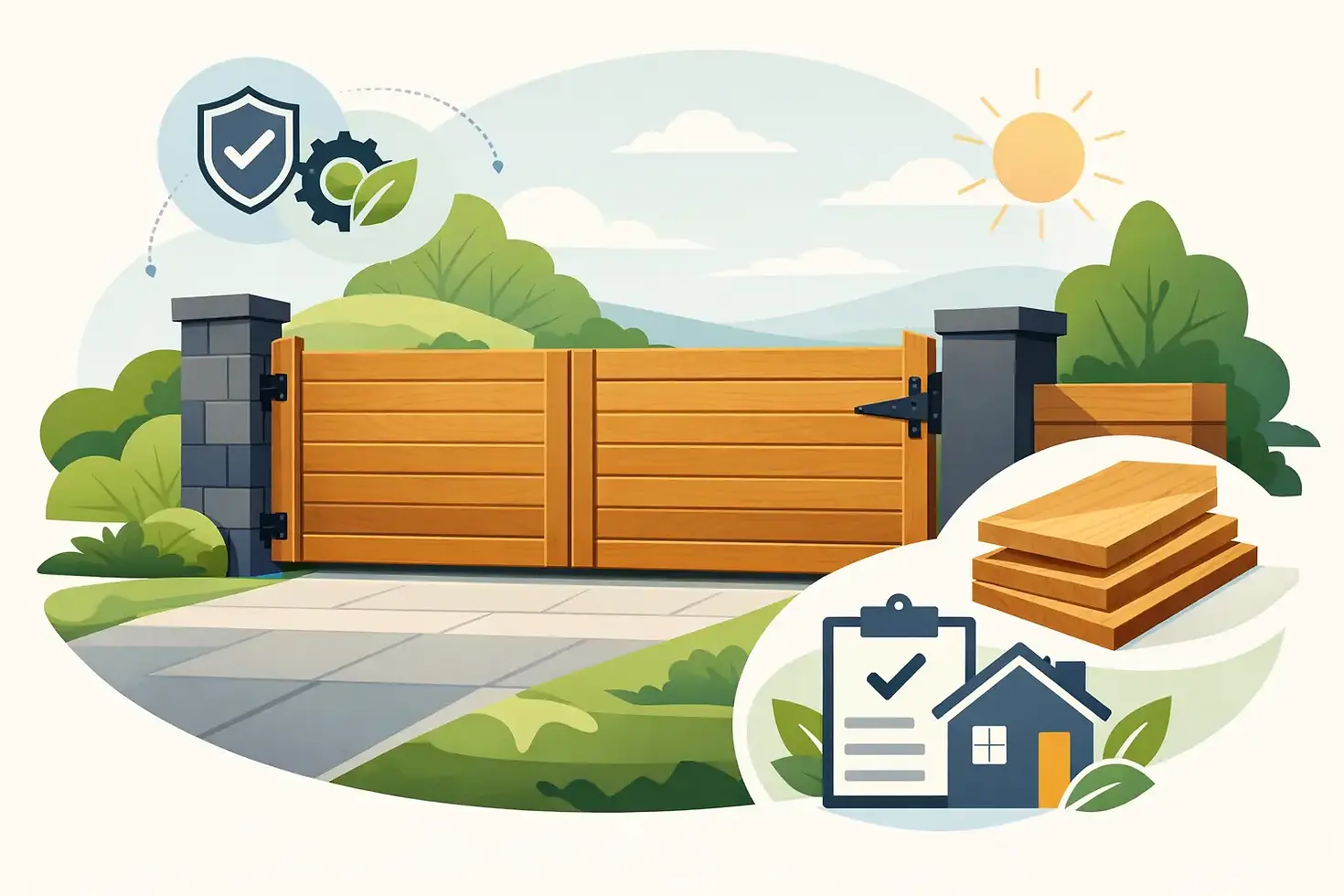
A wooden gate has a hard life in the UK. One week it is soaked through by rain, the next it is drying in a bright spell, then winter brings frost and damp again. That constant movement is exactly why the benefits of engineered timber gates matter so much. If you want a gate that looks right, works properly and keeps its shape over time, the material choice is not a small detail. It is one of the main things that decides how well your gate performs in day-to-day use.
For many homeowners, the decision comes down to three things: appearance, lifespan and cost. Solid softwood can be a budget option, and hardwood often has real appeal, but engineered timber sits in a very practical middle ground. It offers strength and stability in a way that suits made-to-order gates, while keeping the price more manageable than premium hardwood.
What are engineered timber gates?
Engineered timber gates are made using timber sections that have been constructed from smaller pieces of wood bonded together under controlled conditions, rather than cut from a single solid length. The purpose is simple. By building the timber in this way, natural weaknesses such as twisting, warping and excessive movement can be reduced.
That matters for gates more than many other garden products. A gate is not just there to look good. It hangs on hinges, carries its own weight, opens and closes repeatedly and has to stay square enough to latch properly. If the timber moves too much, you soon notice it in dropped hinges, sticking catches and gaps where you did not want them.
When engineered timber is paired with proper joinery, exterior-grade adhesive and careful workshop manufacturing, the result is a gate that is better suited to outdoor use than many cheaper off-the-shelf alternatives.
The main engineered timber gates benefits
The biggest advantage is stability. Timber naturally expands and contracts with changes in moisture and temperature. In a gate, that movement can lead to bowing, twisting and splitting. Engineered timber helps limit that movement because the construction of the timber itself is designed to be more consistent.
For a homeowner, that stability shows up in simple, useful ways. The gate is more likely to stay true, close correctly and keep a tidy appearance across the seasons. That is particularly valuable on driveway gates and side gates, where alignment matters for both security and ease of use.
The next benefit is durability. A gate that stays straighter generally puts less strain on its joints, hinges and fixings. That can support a longer service life, provided the gate is installed correctly and maintained as timber should be. No wooden gate is maintenance-free, and anyone claiming otherwise is overselling it. Even so, starting with a more stable material gives you a better foundation.
Cost is another reason many buyers choose this route. Hardwood gates can be very good, but they also come with a clear jump in price. Engineered timber offers a more economical option for customers who want something stronger and more refined than basic pressure-treated timber without stretching to hardwood costs.
Appearance should not be overlooked either. A well-made engineered timber gate still gives you the natural warmth and character people want from wood. For most homes, that traditional timber look is part of the appeal. You get the visual value of a proper wooden gate, with more confidence in how it will behave outdoors.
Why stability matters more than people think
A lot of gate problems begin long before anything actually breaks. The first signs are usually small. A latch no longer lines up quite right. The bottom edge starts catching. One side appears to drop by a few millimetres. In many cases, timber movement is behind it.
That is why one of the most practical engineered timber gates benefits is not flashy at all. It is the gate continuing to do its job properly month after month. A stable gate is easier to install accurately, easier to adjust if needed and less likely to cause frustration later.
This becomes even more important with wider gates. The larger the gate, the more demanding the job for both the frame and the joints. Material stability plays a major part in whether that gate keeps its shape over time. If you are investing in driveway gates, where size and weight increase the pressure on every component, engineered timber is often the sensible choice rather than just the attractive one.
How construction quality affects performance
Material matters, but so does the way the gate is built. Engineered timber on its own does not make a poor gate into a good one. The workmanship still counts.
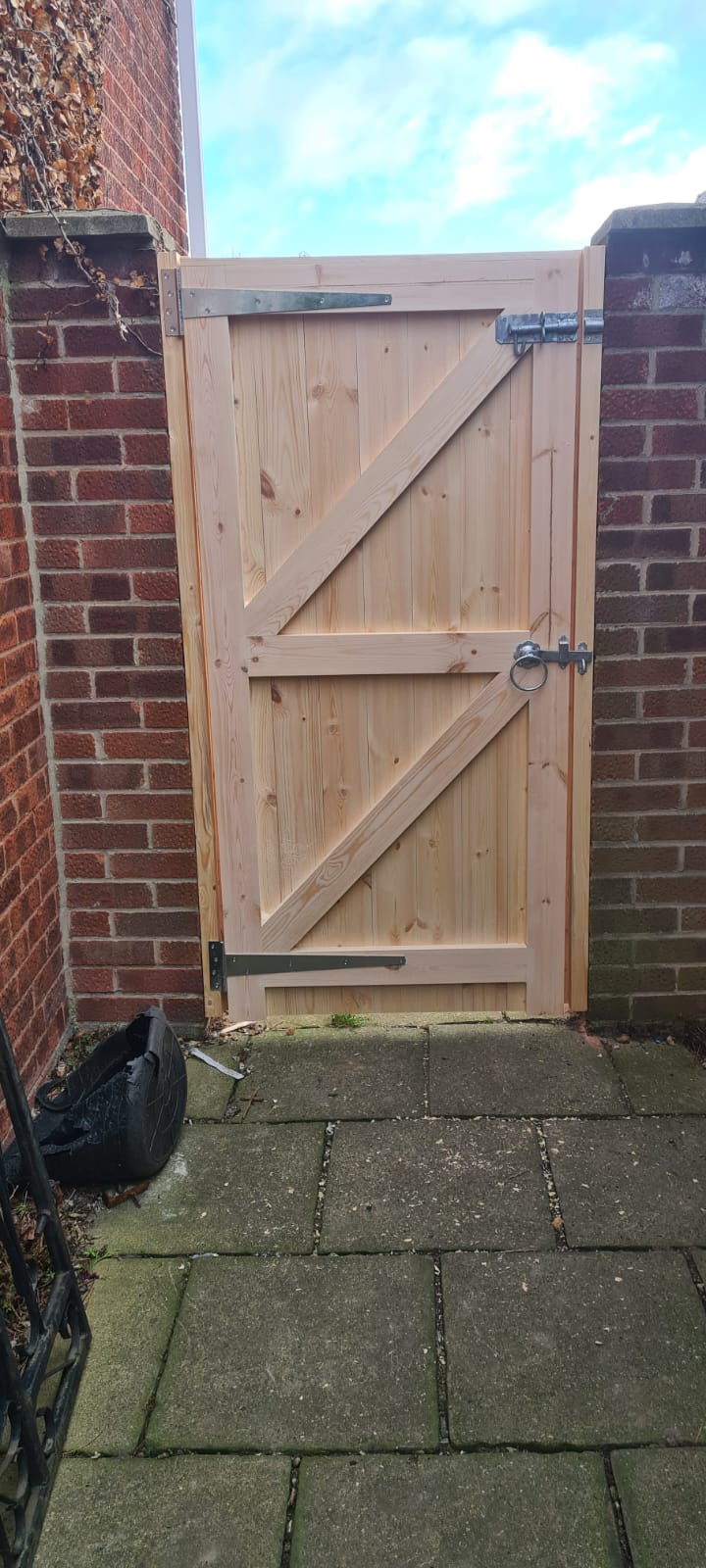
Strong joinery is a good example. Traditional mortice and tenon joints remain one of the best methods for gate construction because they create proper mechanical strength in the frame. Add hardwood dowels and a D4 exterior-grade glue, and you have a build quality designed for outdoor use rather than short-term convenience.
This is where bespoke workshop production has a clear advantage over mass-produced imports. When a gate is made to order, the timber selection, sizing and assembly can be matched to the job. That gives a better chance of the finished gate fitting correctly, looking balanced and performing as it should.
For homeowners with awkward openings or non-standard sizes, that matters a great deal. A gate that is forced to fit an opening it was never designed for can create problems from the start. A made-to-measure engineered timber gate removes much of that compromise.
Engineered timber compared with pressure-treated timber
Pressure-treated timber has its place, particularly where budget is the overriding factor. It can offer initial protection against rot and insect attack, and for some basic garden uses it may be enough. But treatment alone does not solve the problem of natural movement in the timber.
That is where engineered timber often comes out ahead for gates. It is designed to be more stable from the outset, which is a major advantage for a product that needs to stay square and functional. In practical terms, homeowners often find that engineered timber gives a better balance of value and long-term performance.
That does not mean every pressure-treated gate is poor, or every engineered timber gate is automatically superior in every situation. Quality still depends on manufacturing standards, joinery and finishing. But if you are comparing like for like, engineered timber usually offers a stronger case where gate performance is concerned.
Engineered timber compared with hardwood
Hardwood remains a popular option because it is dense, durable and often seen as the premium choice. For some buyers, especially those matching existing hardwood joinery or looking for a very specific finish, it may still be the right route.
The trade-off is cost. Hardwood gates can be significantly more expensive, and not every project justifies that extra spend. If your priority is getting a durable, attractive and properly made gate at a more sensible price point, engineered timber often makes more financial sense.
It is also worth remembering that expensive does not always mean most suitable. A well-made engineered timber gate can offer the right mix of stability, appearance and affordability for everyday residential use. Many households want a gate that will last well, suit the property and avoid unnecessary overspending. In that context, engineered timber is not a compromise. It is often the practical choice.
What homeowners should consider before buying
The opening size, gate style and exposure of the site all play a part. A sheltered garden gate may have different demands from a pair of front driveway gates facing wind and rain. If the gate will be wide, heavy or in a particularly exposed location, material stability becomes even more important.
You should also think about the full installation, not just the gate leaf itself. Posts, hinges, latches and finishes need to be suitable for the size and weight of the gate. Good timber can only perform properly if the supporting parts are up to the job.
Finishing and maintenance still matter as well. Engineered timber offers excellent benefits, but it is still timber. A quality primer, paint or oil system helps protect the gate and keep it looking its best. Ongoing care is part of owning a wooden gate, just as it is with any exterior joinery.
At M & D Woodcraft Ltd, this is exactly why the focus stays on handmade construction, proper joinery and engineered timber that gives customers a sounder gate for the money. People are not just buying a gate shape. They are buying how that gate will behave after installation, through changing weather and years of use.
If you are weighing up your options, the best approach is usually the simplest one. Choose a gate built from a material that suits the British climate, made with joinery that can cope with daily use, and sized properly for your opening. Get those fundamentals right, and the gate will not only look the part on day one - it will keep earning its place long after the paint has dried.


Comments