


Choosing Gate Ironmongery for Wooden Gates
- Mark C
- Jun 13
- 6 min read
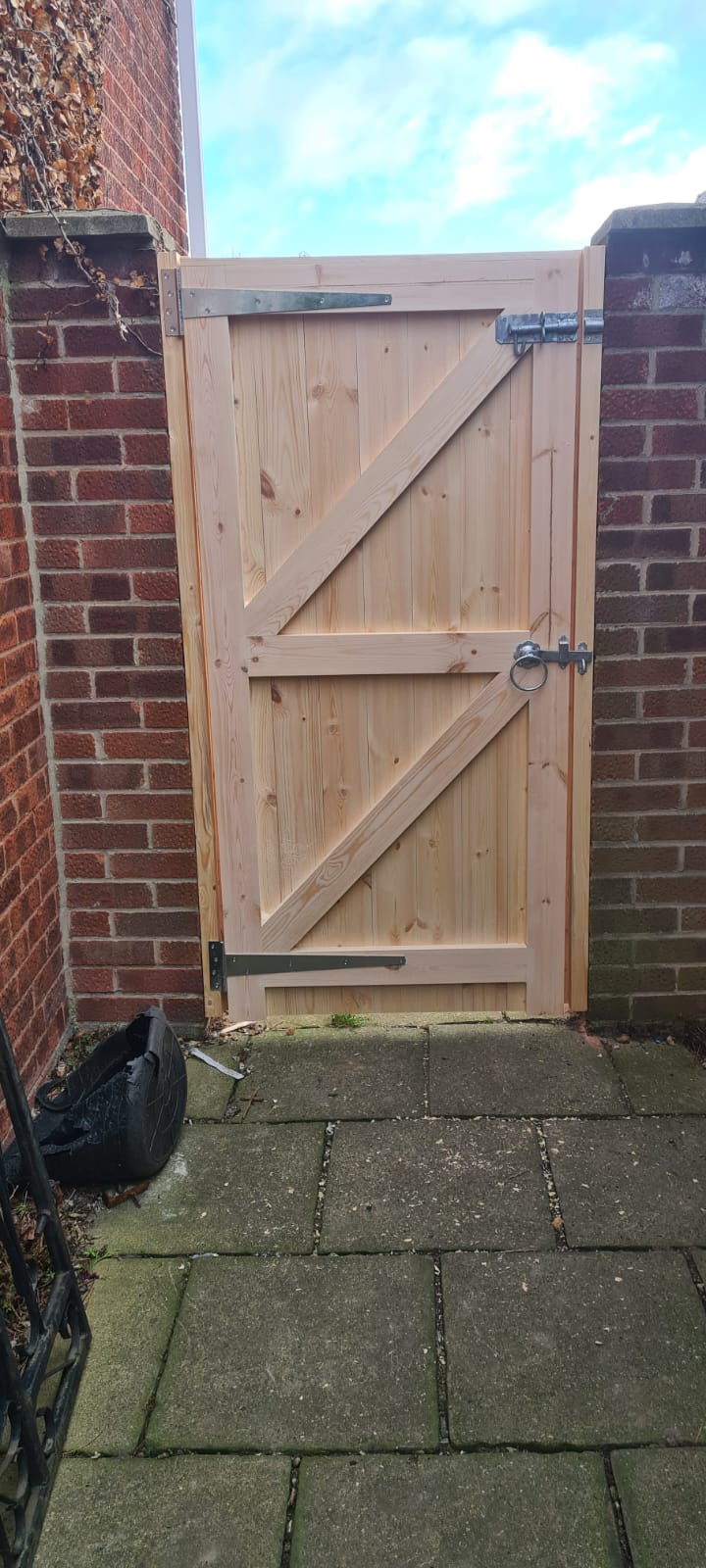
A well-made timber gate can be let down very quickly by the wrong fittings. Gate ironmongery for wooden gates does far more than finish the look - it carries the weight, controls how the gate moves, helps it close properly and plays a big part in how long the whole installation lasts outdoors.
That matters whether you are fitting a side gate, a garden gate or a larger entrance gate. Homeowners often focus on timber style first, which is understandable, but the hinges, latch, bolts and fixings are what make the gate practical day after day. Choose well and the gate feels solid and dependable. Choose badly and even a good gate can sag, bind or loosen far sooner than it should.
Why gate ironmongery for wooden gates matters
Wooden gates are naturally heavier than many people expect, especially when they are built properly with strong framing and quality joinery. A gate made with mortice and tenon joints, exterior-grade adhesive and sound timber construction is designed to last, but it still depends on the ironmongery doing its job.
The main issue is support. Hinges need to take the weight of the gate and spread that load safely into the post. Latches need to line up cleanly, even as the timber responds to changing weather. Drop bolts and catches need to hold firm without feeling awkward to use. In the British climate, all of this also has to cope with rain, frost and regular moisture.
There is also the matter of proportion. Light fittings on a heavy gate rarely perform well. Oversized fittings on a small pedestrian gate can look clumsy and may be unnecessary. Good gate ironmongery should suit the size, use and weight of the gate rather than being treated as an afterthought.
Start with the hinges
If there is one area where it pays to get things right first time, it is the hinges. For most wooden garden and driveway gates, hook and band hinges are a tried and tested choice because they give strong support across the width of the gate rather than placing all the strain in one small fixing point.
The length of the hinge matters. As a rule, the band should cover a good portion of the gate width so the weight is distributed properly. On a heavier gate, a short hinge may technically fit, but it will not offer the same support over time. This is where many problems begin - not because the gate is poor, but because the hinge is undersized.
Hinge finish matters too. Outdoor ironmongery needs proper weather resistance. Galvanised fittings are often chosen for practical durability, while black-coated or traditional-style fittings can suit more characterful properties. Neither is automatically better in every case. If appearance is the priority, a decorative finish may suit the gate style well. If the gate is in an exposed spot with a lot of driving rain, a hard-wearing protective finish deserves careful attention.
Matching hinge type to gate use
A simple side gate used a few times a day may need a fairly straightforward hinge arrangement. A pair of larger driveway gates, especially if they are tall, boarded or solid for privacy, place far greater demand on the fittings. Wider gates create more leverage, and that extra force is transferred back to the hinges and posts.
That is why the gate, post and ironmongery should always be considered together. Strong hinges cannot compensate for weak posts, and equally, substantial posts will not solve the problem if the hinge choice is poor.
Latches, catches and everyday use
A gate needs to open and close without fuss. That sounds obvious, but the choice of latch has a real effect on how the gate feels in use. For a simple garden gate, a ring latch is often a reliable and familiar option. It is easy to operate from either side and suits traditional timber gates well.
For more secure applications, a lockable latch or lock system may be better. This depends on whether the gate is intended mainly for boundary marking, child safety, pet control or general security. Not every gate needs a lock, but where side access matters, many homeowners prefer one.
The important point is alignment. A latch only works properly when the gate hangs correctly and the closing point is stable. If the gate moves excessively, or if the post is not sound, the latch becomes frustrating to use. Good ironmongery improves the experience, but proper installation is what allows it to perform as intended.
Bolts and stops on double gates
Pairs of wooden gates usually need more than hinges and a latch. A drop bolt helps secure one leaf in place while the other is opened for everyday access. This is especially useful on driveway gates, where one gate may remain shut most of the time.
A centre stop or gate stop can also make a difference. It gives the gates a positive closing position and reduces unnecessary strain on the latch arrangement. These are small details, but they help the whole set-up feel firmer and more considered.
Getting the sizing right
One of the most common mistakes with gate ironmongery for wooden gates is assuming that one standard fitting suits every gate. It does not. Gate height, width, thickness and weight all affect what is appropriate.
A made-to-measure gate often benefits from ironmongery chosen with the same level of care. This is especially true when the opening is non-standard or the gate has been built to meet a particular look or practical requirement. Heavier framed gates, taller privacy gates and boarded designs all tend to need stronger fittings than lightweight open styles.
Fixing points matter as well. The screws or bolts supplied with fittings should be suitable for external use and appropriate for the gate construction. If the fixings are poor quality, the rest of the hardware can only do so much.
Style matters, but not ahead of performance
Traditional black ironmongery looks right on many wooden gates, and for period homes or rural properties it can be a very natural fit. On more contemporary homes, cleaner-lined fittings or a plainer galvanised finish may be more suitable. There is no single correct style. The best choice is usually one that complements the gate design without looking forced.
That said, appearance should never come before function. Decorative hinges that are too light for the job will not stay attractive for long if the gate begins to drop. It is always better to start with strength and suitability, then choose the finish and style within that practical requirement.
This is where specialist advice is useful. A family-run manufacturer with proper workshop experience will usually spot straight away when a gate needs heavier-duty fittings, longer hinge bands or a better latch arrangement. At M & D Woodcraft, that practical side of the job matters just as much as the look.
Think about weather exposure
British weather is not gentle on external fittings. A sheltered side passage is one thing. An exposed driveway entrance facing wind and rain is another entirely. Ironmongery needs to cope with regular moisture, temperature changes and general wear from use.
Protective finishes help, but maintenance still matters. Periodic checks for loosened fixings, worn coatings or stiff moving parts can extend the life of the hardware. It is a sensible habit, particularly after winter.
Timber itself also moves slightly with seasonal changes. That does not mean a well-made gate is unstable, but it does mean tolerances and fitting need to allow for real outdoor conditions. Ironmongery that is fitted too tightly or without proper thought can become awkward as the seasons change.
Buying as a complete gate package makes sense
Many homeowners buy a gate first and worry about fittings later. In practice, that can create mismatches in size, finish or suitability. Buying the ironmongery alongside the gate is often the more straightforward route because the hardware can be matched to the gate type from the start.
It also saves second-guessing. If the gate has been built with durability in mind, using engineered timber, strong joinery and exterior-grade construction methods, it makes sense to finish it with hardware that is equally well chosen. That gives you a complete installation rather than a part-finished one.
For anyone replacing an older gate, it is also worth remembering that existing fittings may not always be suitable for the new gate. Reusing old hinges or latches can seem economical, but worn or undersized hardware often causes trouble later.
What to look for before you buy
The best gate ironmongery is not simply the heaviest or the most decorative. It is the set that matches the gate’s weight, width and purpose, suits the post arrangement and stands up to outdoor use. If you are not sure, ask the practical questions first. How heavy is the gate? Is it a single gate or a pair? Is it in an exposed location? Does it need to lock? Is the priority security, ease of use or appearance - or a balance of all three?
Those answers will usually narrow the choice quickly. A properly made wooden gate deserves hardware that supports it for the long term, not just on the day it is hung. If the fittings are chosen with the same care as the timber itself, the result is a gate that works as it should and keeps doing so.
When you invest in a wooden gate, you are not only buying joinery and timber. You are buying how that gate will feel every time it opens and closes, and the right ironmongery has a great deal to do with that.


Comments