


What Size Gate Posts Do I Need?
- Mark C
- Jun 19
- 6 min read
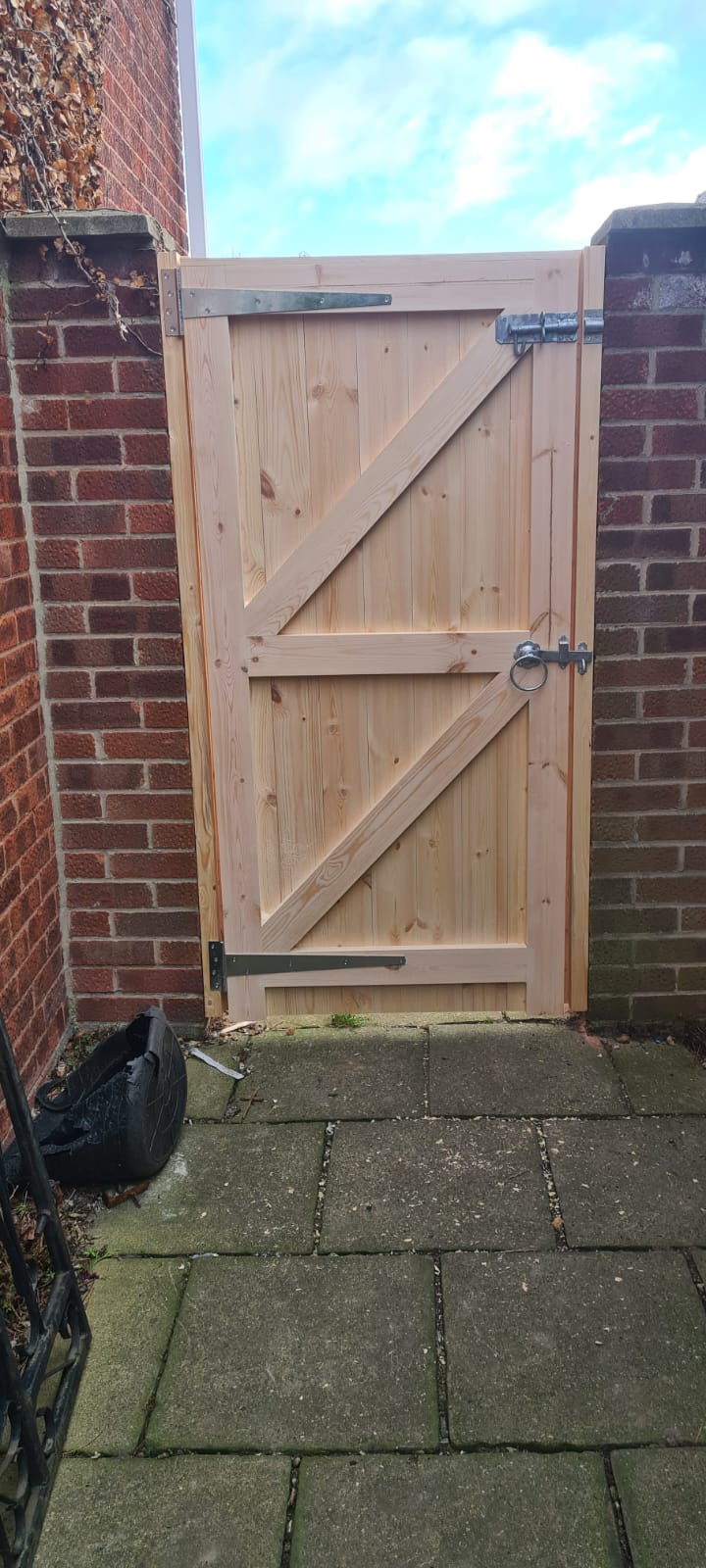
A gate usually gets the blame when it drops, catches, or will not shut properly. More often than not, the real problem starts with the posts. If you are asking what size gate posts do I need, the honest answer is that it depends on the size and weight of the gate, the way it will be used, and what you are fixing into the ground.
Choose posts that are too light and even a well-made gate can start to twist the opening over time. Choose properly sized posts and the whole installation works as it should - the gate hangs true, the hinges stay under less strain, and the opening keeps its shape for years rather than months.
What size gate posts do I need for a timber gate?
For most domestic timber gates, post size should be matched to the gate itself rather than guessed from the opening alone. A small garden gate needs far less support than a tall, heavy pair of driveway gates, even if both are going into similar ground.
As a rough starting point, a pedestrian gate is often paired with 100mm x 100mm posts. That can be suitable for lighter gates of modest height and width, particularly in sheltered positions. Once the gate gets taller, wider, or heavier, 125mm x 125mm or 150mm x 150mm posts become a safer choice.
For driveway gates, especially pairs of gates or taller single entrance gates, 150mm x 150mm posts are commonly the sensible minimum. On larger or heavier gates, 175mm x 175mm or more may be required. The hinge post carries most of the strain, so that is the post that needs the closest attention.
There is no one-size-fits-all answer because a five-bar style field gate behaves differently from a framed and ledged garden gate, and both behave differently again from a closeboard driveway gate built for privacy and weight.
The main things that decide gate post size
The first factor is gate weight. A heavier gate places more leverage on the hinge post every time it opens and closes. Timber gates with solid boarding, framed construction, and quality joinery are built to last, but that strength also means more weight to support. If the post is undersized, it can lean, move, or gradually pull out of line.
Gate width matters just as much. A wider gate creates more leverage on the hinges because the load is carried farther away from the post. That is why a relatively modest increase in width can call for a noticeably stronger post. A 3ft garden gate and a 6ft single driveway gate are not in the same league, even if they are the same height.
Height also affects the decision. Taller gates catch more wind, particularly closeboard and privacy styles. In exposed parts of the UK, wind loading is not a small detail. A solid gate fixed to an undersized post can move under repeated pressure even if it looks fine on the day it is fitted.
Then there is the ground itself. A good-sized post in poor concrete or shallow footings will still cause trouble. Likewise, firm ground and proper installation can help the post do its job properly. Post size and installation depth always need to be considered together.
Garden gates and side gates
For lighter garden gates, side gates, and pedestrian entrances, 100mm x 100mm posts are often enough when the gate is fairly narrow and not overly tall. That said, moving up to 125mm x 125mm posts often gives better long-term stability, particularly for heavier boarded gates or properties exposed to wind.
If the gate is being used daily, such as a side access gate between front and rear garden, it is worth allowing a bit more strength than the bare minimum. Frequent use places repeated stress on hinges, latches, and posts. A slightly heavier post now is usually cheaper than correcting a leaning gate later.
Driveway gates
Driveway gates need more substantial support, full stop. Even when each leaf is not especially tall, the width and weight involved mean the posts are doing serious work. In many domestic settings, 150mm x 150mm posts are a practical minimum for timber driveway gates.
For larger openings, taller gates, or heavier bespoke designs, 175mm x 175mm posts may be the better answer. If automation is planned, that can also influence the post choice, because motors, stops, and hardware introduce extra loads and tighter alignment requirements.
Timber posts or metal posts?
Timber posts remain the traditional choice and suit wooden gates visually, especially on domestic properties where the aim is a natural finish. A properly selected and correctly installed timber post gives a strong, attractive result.
That said, metal posts can sometimes be the better engineering choice, particularly for very heavy gates or where a slimmer appearance is wanted without losing strength. Steel can offer excellent rigidity in a smaller visible profile, but it changes the look and often the fitting method as well.
For many homeowners, the decision comes down to appearance, weight, and budget. If you prefer timber, do not cut corners on section size. A well-built wooden gate deserves a post that is up to the job.
Why engineered timber matters
Not all timber posts perform the same way. Standard pressure-treated softwood can be serviceable, but movement, twisting, and splitting are common concerns over time, especially with larger sections exposed to the weather.
Engineered timber posts offer a more stable alternative because the construction is designed to reduce natural movement. That matters on gate installations where alignment is everything. A gate may be made perfectly square in the workshop, but if the post warps badly after fitting, the whole job suffers.
This is one reason many customers prefer a properly made engineered timber setup rather than simply choosing the cheapest post available. It is not just about strength on day one. It is about keeping the gate operating cleanly through changing seasons and damp British weather.
Do deeper holes mean smaller posts?
Not really. A deeper footing helps, but it does not replace the need for a correctly sized post. Think of it this way: depth helps anchor the post, while thickness helps it resist bending and twisting.
As a rule, gate posts should be set far enough into the ground to give proper support, with adequate concrete around them. Larger, heavier gates need both larger posts and more substantial foundations. If you undersize the post and try to compensate with extra concrete, you are only solving half the problem.
A common domestic installation will see around 600mm to 900mm of post below ground, depending on the gate size and site conditions. Larger gates may need more. Ground that is soft, made-up, or prone to movement should always be treated with caution.
A simple way to judge the right post size
If you are trying to narrow it down, start by asking four practical questions. Is the gate for pedestrians or vehicles? Is it open-boarded or fully boarded? Is the property sheltered or exposed? And is the gate a light standard size or a heavier made-to-measure build?
A light pedestrian gate in a sheltered garden may sit happily on 100mm posts. A heavier side gate is often better on 125mm posts. Most timber driveway gates should push you towards 150mm posts or above. If there is any doubt, it is usually wiser to go up a size rather than down.
That is not overspecifying for the sake of it. It is simply good practice. The cost difference between post sizes is usually modest compared with the cost and frustration of a gate that starts failing because the support was too slight.
Common mistakes when choosing gate posts
One of the biggest mistakes is matching the post to the opening only, not the gate design. Another is assuming all timber gates weigh roughly the same. They do not. Joinery, cladding style, framing, and moisture content all affect the load.
Another common error is focusing on above-ground appearance while forgetting what sits below ground. A handsome post with inadequate footing will still move. The same applies to reusing old posts that seem solid enough. If they are already weathered, leaning, or slightly out of square, a new gate will not improve them.
There is also a tendency to buy for the gate as it is today without considering future changes. If you may add automation, choose a taller gate, or fit a heavier style later, it pays to think ahead now.
Getting it right first time
If you are still wondering what size gate posts do I need, the safest answer is to size the posts to the real demands of the gate, not the minimum you think you can get away with. Gate width, height, weight, wind exposure, and ground conditions all matter, and the hinge post matters most of all.
At M & D Woodcraft, we have seen how much difference proper support makes to the finished result. A handmade gate with good mortice and tenon joinery deserves the same care in the posts and fitting. Get that part right, and the gate has every chance to look right, swing properly, and stay that way.
If you are choosing between two post sizes, the stronger option is usually the better one. Gates do not fail because the posts were too substantial.


Comments