


Engineered Wood Gate Durability Review Explained
- Mark C
- 4 days ago
- 6 min read
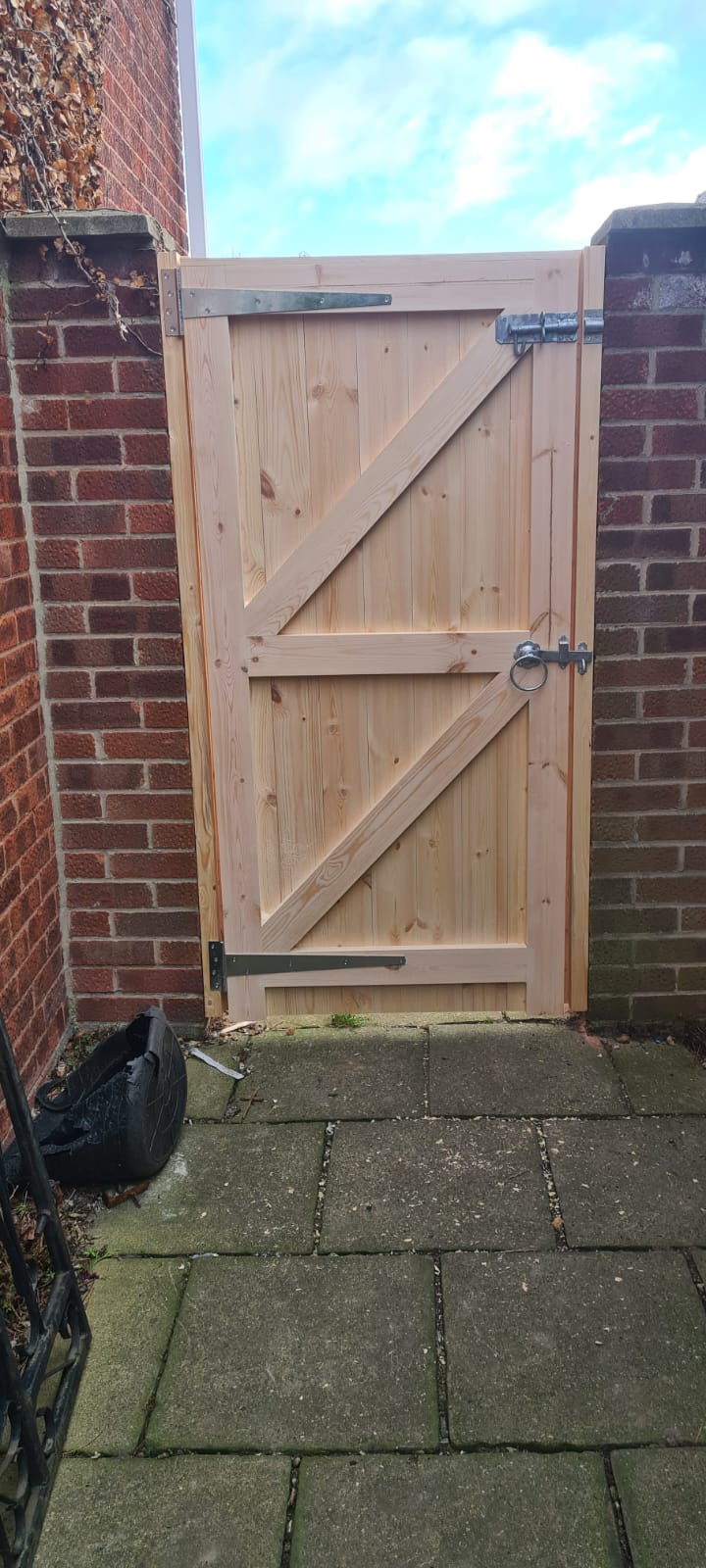
A wooden gate has a hard working life. It is opened, shut, caught by the wind, soaked by rain and dried by sun, often all within the same week. That is why an engineered wood gate durability review should look beyond appearance. The real test is how the timber, joints and installation work together over years of British weather.
For homeowners who want the warmth and character of timber without the price of a hardwood gate, engineered timber is a sensible middle ground. When it is properly made, it offers far better stability than a gate built from ordinary pressure-treated softwood alone. It is not maintenance-free, and no honest manufacturer should suggest otherwise, but it is designed to reduce the movement that causes many timber gates to twist, split or drop out of square.
What engineered timber means for gate durability
Engineered timber is made by carefully selecting, cutting and bonding timber sections to form stronger, more stable components. The grain in individual pieces is arranged so that natural stresses are balanced rather than allowed to pull a long rail or stile in one direction.
Solid timber moves as its moisture content changes. That is natural. In a wide single piece of softwood, this movement can lead to cupping, bowing and twisting, especially where one face is regularly exposed to rain or strong sunshine. A gate may still look sound at first, yet gradually become harder to latch or begin rubbing against its post.
An engineered section is not immune to movement, but it is much less likely to suffer severe distortion. This matters most on driveway gates, tall side gates and wide garden gates, where the weight and span put continual pressure on the frame. A straighter gate puts less strain on hinges, latches and posts, helping the whole installation last longer.
Pressure-treated timber has its place and remains useful for exterior work. The treatment helps protect timber from decay and insect attack, but it does not make a board permanently straight. Treatment and stability are different things. A well-built engineered gate combines suitable treated timber with construction that is intended to manage natural movement.
Engineered wood gate durability review: the construction details
Material choice is only one part of the story. A gate is only as dependable as the way it has been put together. Lightweight, stapled or screwed-together gates can look acceptable from a distance, but their weak points often show after a few wet winters.
A traditional framed gate should use proper mortice and tenon joints. In this method, the end of a rail fits into a matching recess in the stile, creating a deep mechanical connection rather than relying on screws through the face of the timber. At M & D Woodcraft, these joints are bonded with D4 exterior-grade glue and secured with hardwood dowels. This is a tried-and-tested approach that gives the frame the strength to carry its own weight.
The benefit is particularly clear at the hanging side of a gate. Every opening and closing action transfers force into that stile, and a weak joint can slowly loosen. With sound joinery, the gate frame works as one piece. The rails support the stiles, the braces help resist sagging, and the infill boards are held within a structure built for exterior use.
Bracing also needs to run in the correct direction. On a single-leaf gate, the brace should rise from the lower hinge side towards the upper latch side. This transfers the hanging weight back towards the hinge post. It is a small detail, but getting it wrong can shorten the useful life of an otherwise well-made gate.
The areas most likely to show wear
Even a carefully engineered gate has vulnerable areas. End grain, the cut ends of timber fibres, takes in moisture more readily than the face of a board. The bottom edge of a gate is also exposed to splashback from paving, soil and standing water. These areas need to be properly coated and kept clear of prolonged damp.
Joints should remain tight, but seasonal hairline movement in external timber is normal. It is not automatically a sign of failure. The concern is a joint that opens significantly, a rail that becomes loose, or a gate that begins to sag and will not close correctly. Catching those signs early usually makes maintenance straightforward.
Weather resistance in a UK garden
British weather is rarely kind to exterior joinery. Constant wetting and drying can be more demanding than a period of steady cold. North-facing gardens may stay damp for longer, while south-facing gates can receive stronger ultraviolet exposure and more pronounced drying during summer.
Engineered timber helps because it keeps the gate frame more stable through those cycles. It does not remove the need for a protective finish. A suitable exterior primer and paint system, or an appropriate oil where the product and desired appearance allow it, slows moisture uptake and helps preserve the timber's condition.
Paint gives the most complete surface barrier when correctly applied and maintained, particularly on gates exposed to driving rain. Oils can provide a more natural look and are easier to refresh locally, but they generally need more frequent attention. The right choice depends on the gate's location, the finish you prefer and how much ongoing maintenance you are willing to carry out.
A gate under a deep porch may need little more than routine inspection. A large driveway gate on an open, west-facing entrance will need more regular care, whatever timber it is made from. This is one of the reasons hardwood is not always the automatic answer. Hardwood can be very durable, but it costs considerably more and still benefits from proper finishing, fitting and care.
Installation has as much influence as the gate
A durable gate can be let down by poor posts or poorly adjusted ironmongery. Posts need to be strong enough for the gate size and weight, set securely, and kept plumb. If a post moves, the gate will soon stop aligning with its latch, regardless of the quality of its frame.
Allowing the right ground clearance is equally important. A gate should not drag on paving, gravel or soil when it expands slightly in damp weather. Keeping the bottom edge away from standing water reduces the risk of moisture entering the most exposed timber.
Hinges should suit the gate's weight and width, with fixings that are appropriate for the post material. Adjustable hinges can be useful because they allow small alignment changes after the gate has settled. For double gates, a reliable centre stop, drop bolt and suitable latch arrangement prevent each leaf from taking unnecessary strain.
Made-to-measure manufacture is valuable here. A standard-size gate forced into an awkward opening often leads to narrow gaps, unsuitable posts or makeshift packing. A gate made for the opening gives the installer a better starting point and produces a neater, longer-lasting result.
Keeping an engineered timber gate in good order
Routine care is not difficult, but it should be planned rather than left until the gate looks tired. A quick inspection every spring and autumn will usually identify issues before they become expensive repairs.
Pay attention to four practical checks:
Clean off mud, leaf debris and moss, particularly around the lower rails and bottom edges.
Check the finish for worn patches, peeling paint or exposed end grain, then touch up promptly.
Tighten and lubricate hinges, latches and bolts where required, using products suited to exterior ironmongery.
Make sure the gate still clears the ground and closes easily, adjusting hardware before rubbing damages the timber or finish.
Avoid leaning heavy items against the gate or allowing climbing plants to trap moisture against it. If you need to cut, drill or alter any part after delivery, seal newly exposed timber straight away. Small unprotected cuts are an easy route for water to enter.
Is engineered timber the right long-term choice?
For many UK homes, yes. It is a strong option when you want a handmade gate with traditional character, dependable joinery and better dimensional stability than ordinary pressure-treated timber. It is especially well suited to bespoke driveway, side and garden gates where accurate sizing and a solid frame matter as much as the visible design.
The trade-off is that engineered timber still asks for sensible maintenance. It will not behave like metal or plastic, nor should it be expected to. Its value lies in using timber properly: carefully selected material, stable engineered sections, traditional joints and a finish maintained before weather gets a foothold.
Choose a gate that is made for your opening, fit it to substantial posts with suitable ironmongery, and give it a little attention each year. That is how a well-crafted engineered timber gate earns its place at the front of a home for many seasons to come.


Comments