


How to Protect Timber Gates Properly
- Mark C
- Jul 3
- 6 min read
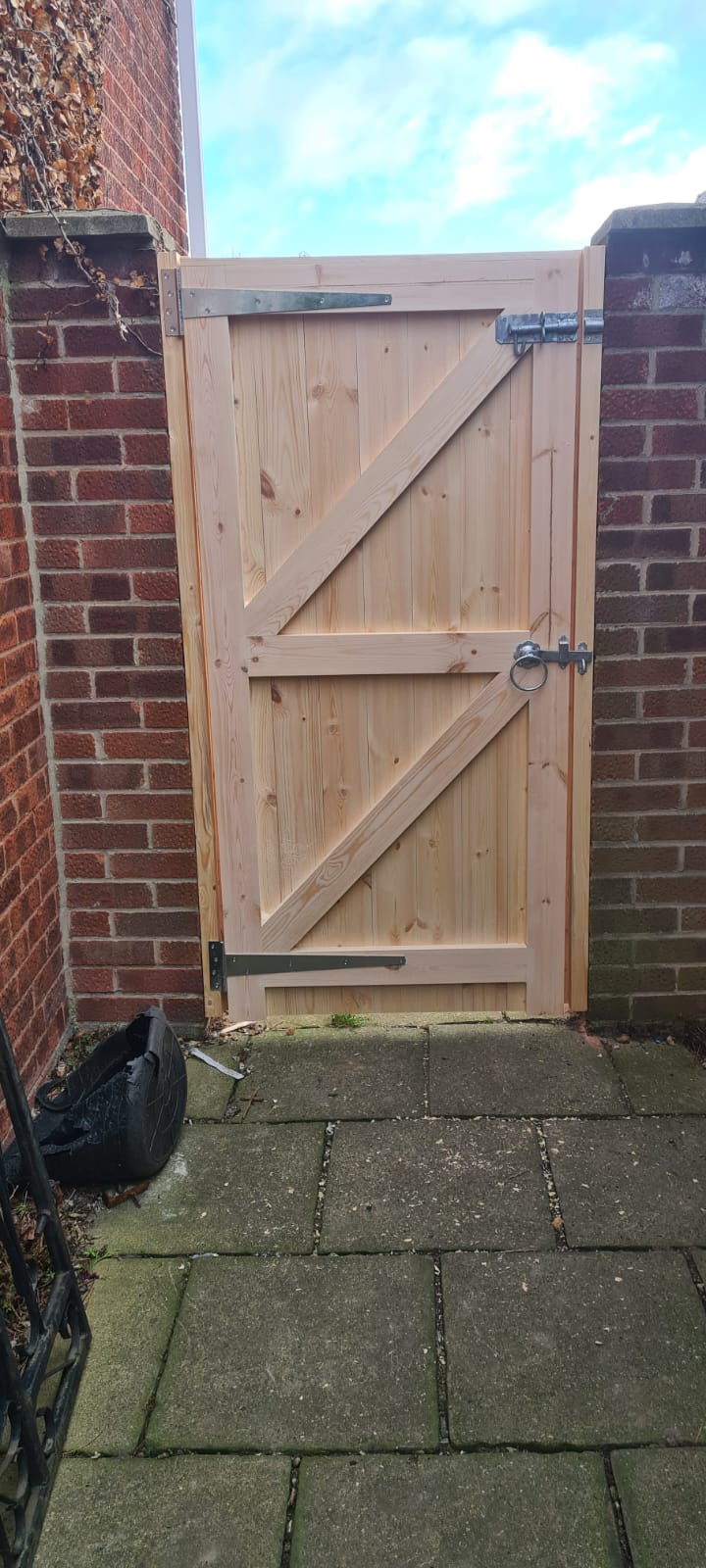
A timber gate has a hard life in Britain. One side catches the morning sun, the other sits damp after a night of rain, and both have to cope with wind, frost and regular use. If you are wondering how to protect timber gates so they keep their shape and appearance, the answer is not complicated - but it does need to be done properly and at the right time.
The biggest mistake is assuming timber will look after itself once it is fitted. Even a well-made gate needs a suitable finish and a bit of ongoing care. Good construction gives you the foundation. Proper protection is what helps that gate stay sound, stable and smart for years rather than seasons.
How to protect timber gates from weather and wear
Protecting a timber gate starts with understanding what you are protecting it from. In the UK, the main enemies are moisture, strong sunlight, surface cracking, fungal decay and movement caused by repeated wet and dry cycles. A gate does not fail all at once. More often, it slowly takes on water through unsealed areas, the finish begins to thin, and the timber starts to move more than it should.
That is why surface treatment matters. A good exterior wood oil or suitable timber finish helps slow down water ingress and reduces the effects of UV exposure. It will not make a gate maintenance-free, and anyone promising that is overselling it. What it does do is give the timber a fighting chance against the weather.
Construction also plays its part. Engineered timber gates, made with proper mortice and tenon joints, exterior-grade adhesive and solid joinery methods, are generally more stable than lower-grade mass-produced gates. Protection works best when it is paired with quality manufacturing. A poor gate with a coat of finish on top is still a poor gate.
Start with the right finish
If you want the natural character of the wood to remain visible, an exterior oil is usually the most practical choice. It feeds the timber, enhances the grain and is straightforward to maintain. When the time comes for another coat, you are usually refreshing the surface rather than stripping back a failed film.
That matters on gates because they are exposed from all sides and constantly moving with the weather. A finish that flakes badly can leave parts of the timber exposed and makes maintenance more of a job than it needs to be. Oils tend to wear away more gently, which suits exterior joinery well.
The exact product does matter, though. You need something intended for exterior timber, not a leftover interior treatment from the shed. It should offer water repellence, UV resistance and suitability for joinery exposed to the elements. Clear finishes can look attractive, but in full sun they often offer less UV defence than tinted ones. If your gate is south-facing, a lightly pigmented oil may hold its appearance better over time.
Preparation makes the difference
The quality of the finish is only half the story. The way it is applied matters just as much. Timber should be clean, dry and free from dust before any treatment goes on. If the gate is new, it is worth checking whether it has been supplied bare, primed or pre-oiled, because that will affect what should happen next.
A bare timber gate should be treated as soon as practical after installation, and ideally before prolonged exposure to bad weather. Do not just coat the front and back and call it done. The top and bottom edges, hinge areas, latch cut-outs and any exposed end grain need attention as well. These are the places where moisture is often drawn in first.
If the gate has already weathered, preparation may involve more work. Greyed surfaces, algae, dirt and loose material should be cleaned away before re-treatment. In some cases a light sanding helps the fresh finish bond properly and improves the final appearance. What you should not do is trap damp beneath a new coat.
Pay attention to end grain and joints
If there is one area that deserves extra care, it is the end grain. Timber absorbs moisture far more readily through exposed ends than through the face of the board. That makes the top and bottom of a gate, along with cut-outs and drilled holes, especially vulnerable.
Joints also deserve respect. A well-made mortice and tenon gate is designed for strength, but even good joinery benefits from a stable moisture balance. Repeated soaking and drying can put extra stress on any timber construction. Applying finish carefully around joints helps reduce how much water the gate takes on in the first place.
This is one reason factory preparation and quality workshop standards matter. At M & D Woodcraft Ltd, for example, the emphasis on engineered timber construction and sound joinery is not just about appearance. It is about giving the gate better long-term stability before the protective finish even comes into the picture.
Oiling schedules are not one-size-fits-all
Homeowners often ask how often a timber gate needs re-oiling. The honest answer is that it depends. A sheltered side gate in partial shade may only need a fresh coat far less often than a driveway gate facing open weather and strong afternoon sun.
As a rule, inspect the gate at least twice a year, ideally in spring and autumn. If the surface looks dry, the colour is fading unevenly, or water no longer beads on the timber, it is probably time to recoat. Waiting until the wood looks tired usually means it has already been unprotected for a while.
There is a balance to strike here. Overcoating without proper preparation can lead to a sticky or patchy finish, while leaving it too long allows weathering to set in. Regular light maintenance is usually easier and gives a better result than occasional heavy restoration.
Installation affects protection too
A well-finished gate can still suffer if it is badly installed. If the bottom edge sits too close to the ground, splashback and standing moisture will shorten its life. If the hinges are undersized or poorly aligned, the gate may drop, twist or place strain on the joints.
Posts and ironmongery matter here. Strong gate posts, correctly set, help the gate hang square and move properly. Good hinges support the weight as they should. Latches and fittings should be fixed cleanly so they do not create unnecessary entry points for water. Protection is not just about what you brush on - it is also about how the gate is supported day after day.
Ventilation helps as well. A gate that can dry out naturally after rain is in a better position than one boxed into a damp corner with constant leaf build-up and poor air movement. Keeping the area around the gate clear may sound basic, but it makes a real difference.
Common mistakes that shorten the life of timber gates
One of the most common mistakes is finishing only the visible faces. The hidden edges are often where trouble starts. Another is using the wrong product, especially interior coatings or cheap finishes that are not designed for exposed exterior joinery.
Some owners leave a new gate untreated for too long, planning to get round to it later. British weather usually gets there first. Others assume pressure treatment alone is enough. Treatment can help, but it is not a substitute for a proper surface finish and sensible maintenance.
There is also the issue of expectations. Timber is a natural material. It will move slightly with the seasons, and its appearance will mellow over time. Protection is about reducing unnecessary wear and preserving performance, not freezing the gate in the exact condition it arrived in.
When to act before problems spread
If you notice black staining, softness in the timber, opening joints, peeling finish or pronounced splitting, do not ignore it. Early intervention is usually straightforward. Left too long, the repair can become more involved and expensive.
Often, a gate does not need replacing - it needs cleaning, drying, local preparation and a proper maintenance coat. But if water has been getting into structural areas for some time, it is worth getting specialist advice. That is especially true if the gate is bespoke and worth preserving properly rather than patching badly.
A well-made timber gate can give years of service and still look the part, provided it is treated as exterior joinery rather than just garden furniture. Protect it early, maintain it little and often, and you give the craftsmanship underneath every chance to last.


Comments