

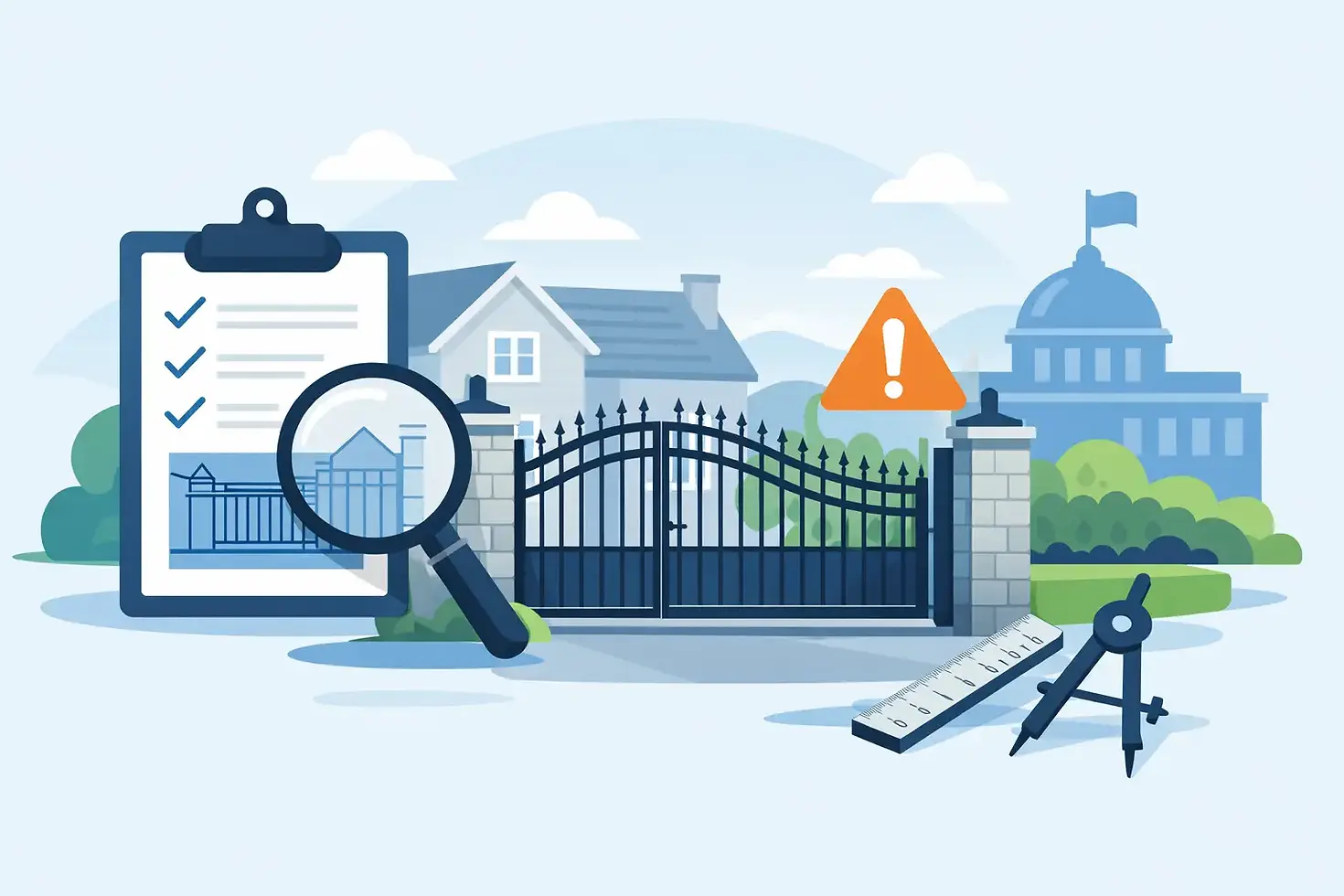
Driveway Gate Regulations for UK Properties
- Mark C
- Aug 8
- 5 min read
A new pair of driveway gates can improve privacy, security and the first impression of a property, but the gates themselves are only part of the job. Driveway gate regulations can affect the height, position, opening direction and type of access you are allowed to create. Getting these points right before ordering made-to-measure gates avoids costly alterations later.
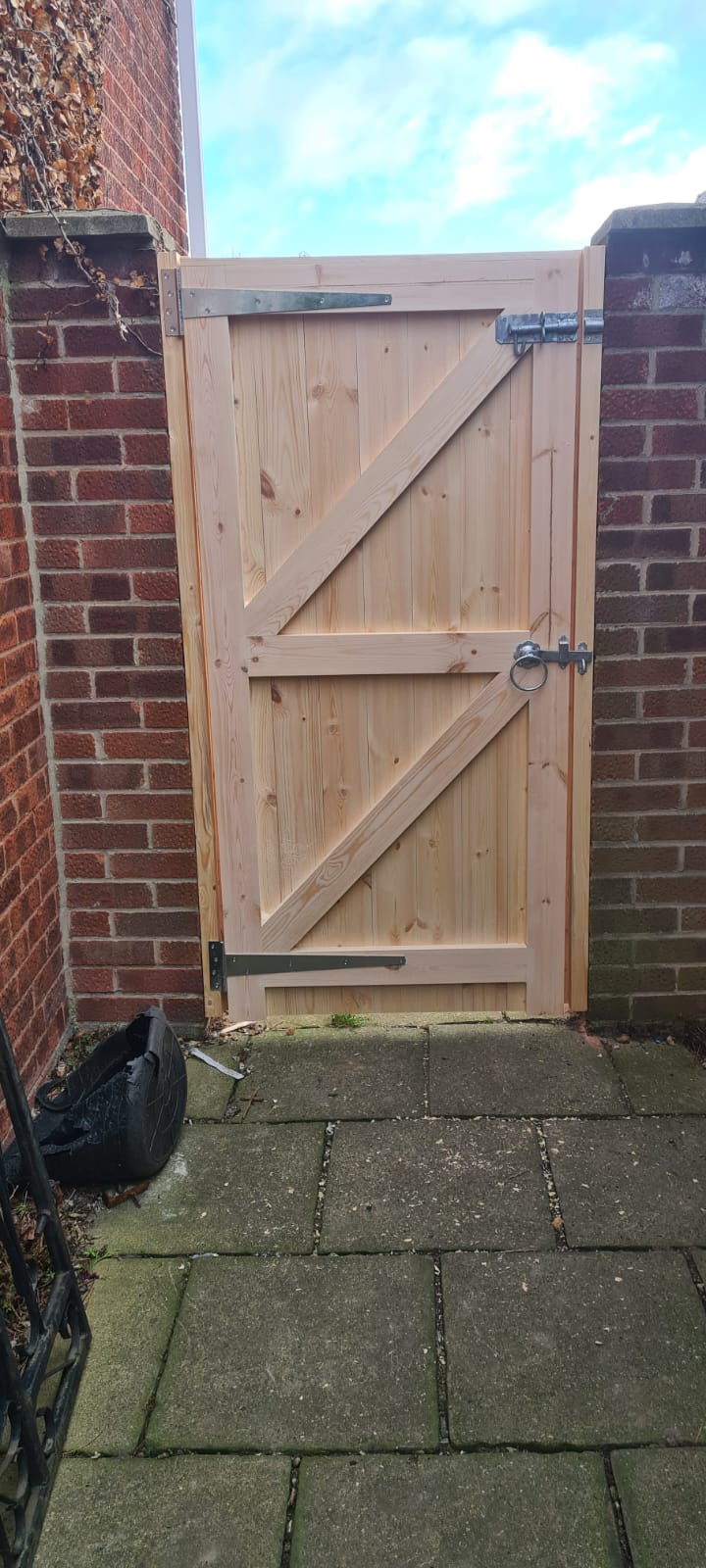
For most homes, a well-planned manual wooden gate installation is straightforward. The position of the driveway, proximity to a road and whether the property has special planning protection are what usually make the difference. Local planning authority guidance should always be checked for the property in question.
When driveway gate regulations require planning permission
Planning permission is not automatically required for every driveway gate. In many cases, gates, walls and fences can be installed under permitted development rights. However, those rights have limits, and gates facing a highway are where homeowners most often get caught out.
As a general guide, a gate, fence or wall next to a highway used by vehicles should be no more than one metre high. This includes locations beside a pavement, road or public right of way used by vehicles. Elsewhere, the usual permitted development height limit is two metres. Local authorities may assess the overall structure, so do not assume that tall gate posts can be ignored when checking height.
The exact boundary matters. A gate set well back inside a drive may be treated differently from one installed directly at the pavement edge. Ground levels can also affect the measured height, particularly on sloping sites. If there is any doubt, confirm the proposed dimensions with the planning department before production begins.
You may also need planning permission if the work involves creating, altering or widening a vehicle access onto a classified road. This is about more than the gate. The highway authority will want to know that vehicles can enter and leave safely, with suitable visibility for drivers, cyclists and pedestrians.
Gates beside the road must not obstruct it
A driveway gate should normally open into your property, not outwards across a pavement or carriageway. An outward-opening gate can obstruct pedestrians, wheelchair users, pushchairs and passing traffic. It may also create a hazard if wind catches it while it is being opened.
This is one reason why the amount of space behind the gates needs considering early. Traditional double driveway gates need room to swing inward, while a sliding gate needs a clear run along the inside boundary. Where the drive is short, a gate set back from the highway can provide a safer waiting area for a vehicle while the gates are opened.
On a new or altered access, the highway authority may ask for visibility splays. These are clear sight lines that let a driver see approaching traffic and let road users see a vehicle emerging from the drive. High solid gates, planting, walls and parked vehicles can all affect visibility. A handsome closeboard or boarded wooden gate may be right for privacy, but it needs to sit in a position that does not compromise the required view.
Drainage deserves the same care. Surface water from a driveway should not run onto the public highway. If a new entrance involves dropped kerbs, changes to the pavement or drainage works, separate approval from the local highways authority may be needed.
Listed buildings, conservation areas and restricted rights
Properties in conservation areas, national parks, Areas of Outstanding Natural Beauty or the curtilage of listed buildings can be subject to tighter controls. Listed building consent may be required where work affects the character or fabric of a listed property, even where planning permission is not otherwise needed.
An Article 4 Direction can also remove normal permitted development rights in a particular street or area. These restrictions are common where boundary treatments make a strong contribution to local character. A replacement gate in a traditional style may be welcomed, but that does not remove the need to check first.
Planning is not the only consideration. Title deeds may contain restrictive covenants covering boundary treatments, shared drives or the appearance of a property. Leasehold homes may require freeholder consent. If the drive is shared, establish who owns the boundary and whether a gate could interfere with an established right of way before placing an order.
Choosing a gate that suits the site
The best gate design is not simply the tallest or heaviest option. It is the one that provides the right balance of privacy, access, security and safe operation for the available space.
A pair of inward-opening timber driveway gates suits many traditional homes, provided there is enough room for the leaves to move freely. Correctly sized posts, suitable hinges and solid foundations are essential. A wide or particularly tall gate places considerable leverage on its posts, especially in exposed locations where wind loading is a factor.
Made-to-measure sizing is particularly useful where old stone walls, uneven ground or non-standard drive widths rule out an off-the-shelf solution. Gates should have sufficient ground clearance to avoid dragging after wet weather or minor movement in the driveway surface, while still looking properly proportioned to the entrance.
Timber selection also matters. Engineered timber is a practical choice for painted wooden gates because it is designed for greater stability than ordinary pressure-treated timber. Strong mortice and tenon joints, exterior-grade D4 adhesive and hardwood dowels all help a gate withstand regular use and changing British weather. Even the best-built gate, however, needs appropriate posts and ironmongery to perform as intended.
Extra duties for automated driveway gates
An automated gate is a machine, not just a gate with a motor attached. It must be designed, installed and maintained so that it does not trap, crush, shear or strike a person. This is particularly important at family homes, where children may use the entrance or play nearby.
A safe automated installation normally uses more than one form of protection. Depending on the gate type and layout, this can include safety photocells, force limitation, pressure-sensitive safety edges, guards around pinch points and a manual release for use during a power cut. The gate should stop or reverse safely if an obstruction is detected.
The arrangement must be assessed as a complete system. A perfectly good wooden gate can become unsafe if it is automated with unsuitable hinges, poorly positioned safety devices or inadequate clearance at the closing edges. Existing powered gates should also be inspected and maintained, as wear, movement and damaged cables can affect safety over time.
Electrical work should be carried out by a competent installer. Ask for clear handover information, including how to use the manual release, what safety devices have been fitted and what routine servicing is required. Do not disable safety equipment because it seems inconvenient or because a gate has become difficult to close. That is a sign the installation needs attention.
A sensible check before ordering
Before finalising your gate size and design, take time to confirm the essentials:
Measure the clear opening, available swing space and ground levels, not just the width between existing posts.
Check whether the gate will sit beside a public highway, pavement or public right of way.
Contact the local planning authority if height limits, listed status, conservation area rules or access changes may apply.
Review deeds, covenants and shared-access arrangements.
Decide whether the gates will remain manual or may be automated later, as this can affect post size, hinge choice and clearances.
A few accurate photographs and measurements are often enough for a specialist gate maker to advise on sensible proportions, post options and suitable ironmongery. If planning approval is required, wait until it is granted before committing to a final specification.
The right driveway gates should look as though they belong to the property, operate reliably and leave everyone using the entrance safe. Start with the site restrictions, then choose a design built properly for the opening. That approach gives you a gate installation you can enjoy for years rather than a problem to solve after fitting.


Comments