


A Guide to Timber Gate Maintenance in Britain
- Mark C
- Aug 4
- 6 min read
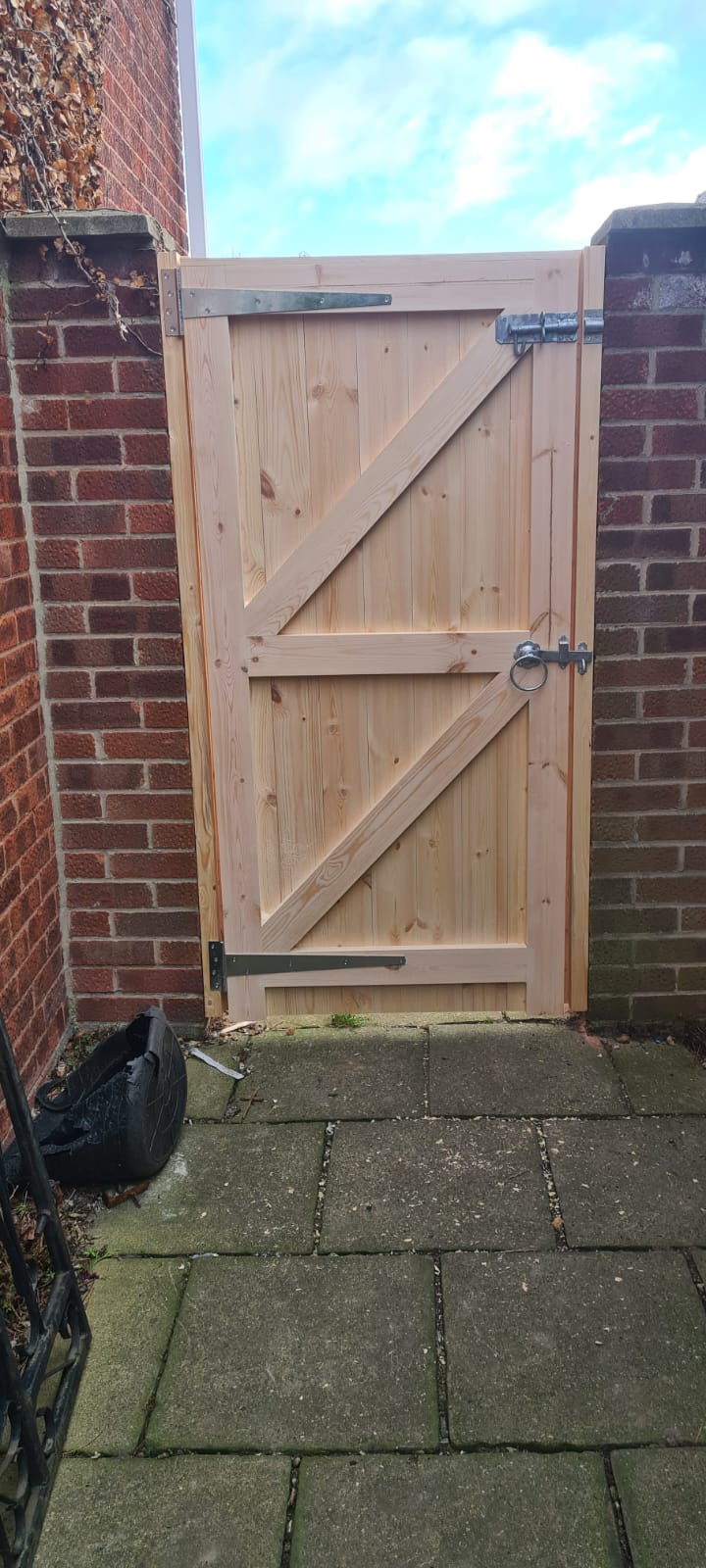
A timber gate is exposed to more than its fair share of British weather. Rain sits on horizontal rails, winter frost works into small gaps, and summer sun gradually dries the surface. This guide to timber gate maintenance explains the straightforward checks that protect your investment, keep the gate operating properly and preserve the character of real wood.
A well-made gate should not be a high-maintenance burden. However, no exterior timber product is completely maintenance-free. Regular attention to the finish, the moving parts and the supporting posts will prevent small issues becoming expensive repairs.
Start with a seasonal inspection
A quick inspection two or three times a year is usually enough for a domestic driveway or garden gate. Spring is a sensible time to assess any effects of winter weather, while late summer or early autumn gives you the chance to protect the timber before the wetter months arrive.
Open and close the gate slowly. It should move freely without scraping the ground, catching on the latch or placing undue strain on the hinges. Look along the face and top rails for splits, raised grain, loose fixings or areas where the protective coating has worn thin.
Pay particular attention to the bottom rail, the top edges of the gate, and the ends of rails and stiles. These areas are most exposed to standing water and repeated wetting and drying. A little surface checking can be normal in exterior timber, especially as the seasons change. Deep splits, movement at a joint, or timber that feels soft when pressed deserves closer attention.
Cleaning timber gates without damaging the finish
Dirt, moss and traffic film hold moisture against the timber. They can also hide the early signs of a failing coating. Cleaning does not need to be aggressive: a soft brush, clean water and a mild wood-safe cleaner are normally sufficient.
Brush away leaves and debris caught around the bottom of the gate, between boards and beneath the hinges. Wash the surface gently, then allow it to dry thoroughly before applying any oil, preservative or paint system. Never coat a gate while it is damp, as moisture can become trapped beneath the finish.
Avoid using a pressure washer at close range. A powerful jet can force water into joints, lift fibres from the surface and remove a sound coating before its time. If you use one at all, keep the pressure low, stand well back and work carefully. For most gates, a brush and hose provide better control.
Protect the timber with the right coating
The protective finish is the first line of defence against moisture and ultraviolet light. Whether your gate needs oil, stain, paint or a preservative depends on the finish originally chosen and the appearance you want to maintain. The key is consistency. Do not apply an incompatible product over an existing coating without preparing the surface correctly.
Oils are popular where homeowners want to retain a natural timber appearance. They penetrate the surface rather than forming a thick film, but they generally need refreshing more often than a quality painted system. Water will give you a useful indication: if it no longer beads on the surface and instead soaks in quickly, it is often time to clean and re-oil.
Paint offers strong weather protection and a more uniform colour, provided it is maintained before it cracks or peels. Check for damage around joints, edges and fixings first. Rub down only the affected area where appropriate, remove dust, prime any bare timber with a suitable exterior primer, then apply the recommended topcoat. A coating is only as good as the preparation beneath it.
For either approach, choose a dry day with suitable temperatures and give the gate enough time to cure before heavy rain. It is tempting to finish the job in one afternoon, but rushing the drying stage can shorten the life of the treatment.
Do not overlook end grain and cut edges
End grain absorbs moisture more readily than the face of a timber board. This is why the ends of rails, the tops of posts and any site-cut edges need particular care. If a gate is trimmed during installation, seal the newly exposed timber before it is put into service.
A gate built with proper mortice and tenon joints, exterior-grade D4 adhesive and hardwood dowels has a strong foundation, but good joinery still benefits from a maintained finish. Protection should be renewed before bare timber is left exposed for a prolonged period.
Keep hinges, latches and fixings in good order
Timber does the visible work, but ironmongery carries the weight. Check hinge bolts, screws, latch fixings and drop bolts during each inspection. Tighten anything that has worked loose, but do not simply keep tightening a fixing that no longer grips. A loose screw hole may need repairing before the fitting can be secured properly.
Lightly lubricate moving parts with a suitable exterior product, particularly after winter. Hinges should move smoothly, and a latch should meet its keep without needing to lift or force the gate. If the gate has begun to drop, investigate early. Continued use when a gate is dragging can strain hinges, pull at fixings and damage the lower rail.
Surface rust on ironmongery should be dealt with promptly. Remove loose rust, clean the metal and apply an appropriate protective finish where needed. Galvanised or coated fittings offer good resistance, but even these benefit from occasional cleaning and inspection in exposed locations.
Check the posts and clearance around the gate
A gate can only remain straight and well-aligned if its posts are stable. Examine the base of each post for signs of movement, rot or ground level that has built up against the timber. Soil, gravel and planting should not be allowed to sit permanently against the post, as this holds moisture where it is least welcome.
Make sure there is sufficient clearance beneath the gate. Garden surfaces can rise over time due to new gravel, paving work or accumulated soil. A gate that once cleared the ground may then scrape every time it is used. Remove the cause rather than cutting the gate down as a first response, particularly if the problem is seasonal expansion or a post that has moved.
Driveway gates deserve an additional check after severe winds. Repeated slamming puts unnecessary pressure on posts and hinges. A correctly positioned stop, latch or gate restraint helps prevent over-opening and protects both the gate and surrounding fencing or walls.
A practical annual maintenance routine
For most households, one thorough annual maintenance session alongside seasonal checks is enough. Clean the gate, let it dry, inspect the finish and treat worn areas before water can penetrate. Then test all hinges, latches, bolts and fixings, and clear debris from the gate line and post bases.
The maintenance interval will vary. A sheltered garden gate beneath mature trees may need more frequent cleaning because of leaf debris and algae. A south-facing driveway gate may need earlier attention to its oil or paint because sun exposure is stronger. Coastal and particularly exposed properties can also require more regular checks due to wind-driven rain and salt in the air.
When to repair and when to seek advice
Small coating failures, a dry hinge or a loose latch are usually simple jobs. More significant movement at joints, recurring sagging, splits that continue through structural members, or rotten posts should be assessed before they affect the gate further.
Do not assume every crack means the gate has failed. Timber is a natural material and responds to changes in moisture. The question is whether the issue is superficial or affecting strength, alignment and weather resistance. Clear photographs, measurements and details of the installation often make it easier for a specialist manufacturer to offer sensible advice.
At M & D Woodcraft, we build handmade gates for long service, using engineered timber construction and traditional joinery details designed for exterior use. Regular care is what allows that workmanship to keep doing its job year after year.
A few minutes spent cleaning, checking and protecting your gate each season is far easier than dealing with a swollen bottom rail or a gate that no longer shuts. Treat maintenance as part of owning a proper timber gate, and it will continue to welcome you home in good order.


Comments