


Best Primer for Exterior Wooden Gates
- Mark C
- Jun 15
- 6 min read
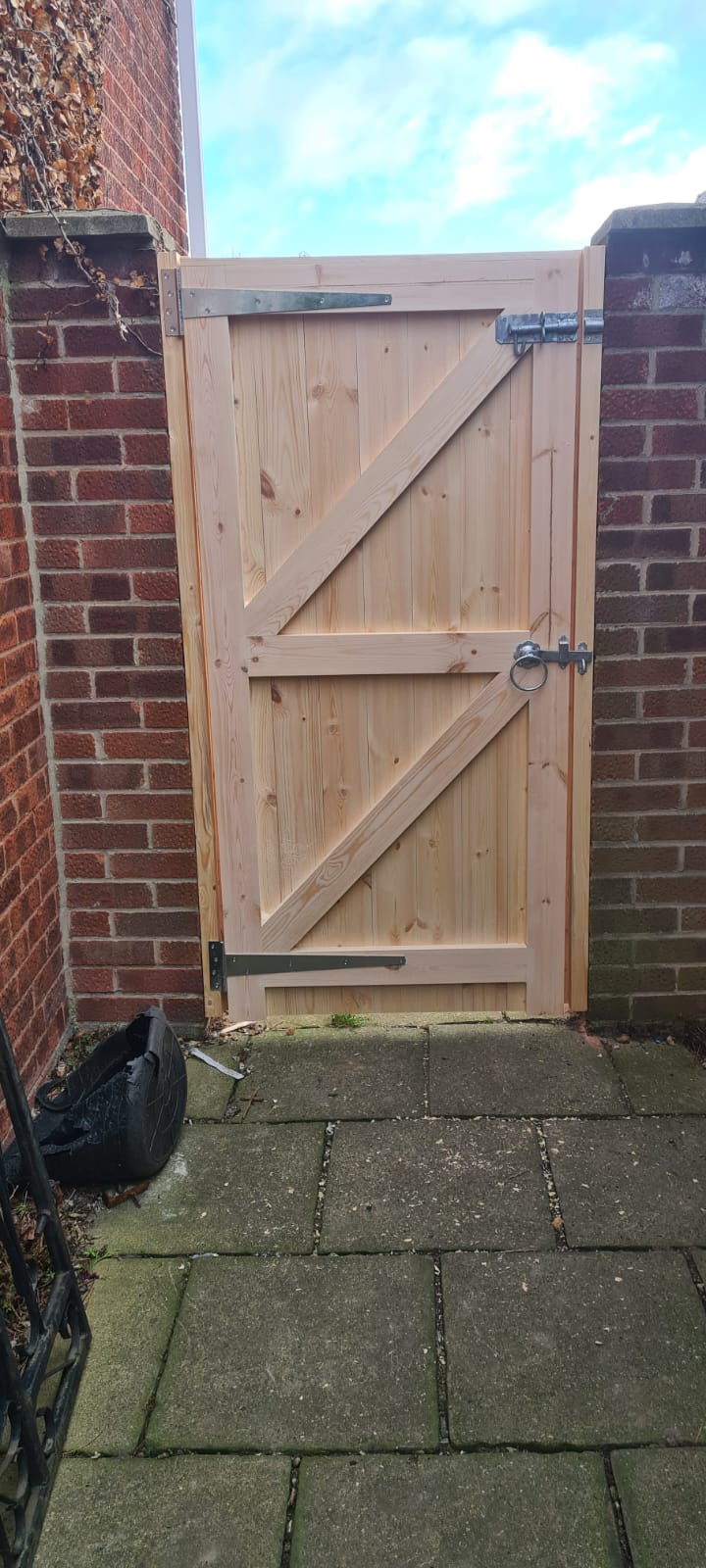
A gate can be built properly, hung properly and still fail early if the finish underneath the topcoat is wrong. That is why choosing the right primer for exterior wooden gates matters more than many homeowners expect. Primer is not just an extra coat to sell more paint. It is the layer that helps timber take a finish evenly, hold that finish longer and stand up better to rain, sun and changing temperatures.
On an exterior gate, the coating system works hard. Timber moves with moisture and temperature, end grain draws in water faster than flat faces, and exposed joints take more punishment than most other garden joinery. If the primer is poor quality, or simply the wrong type for the timber and topcoat, the paint can peel, crack or wear away well before the gate itself should.
Why a primer for exterior wooden gates matters
Exterior timber needs more than colour. It needs a stable base that bonds well to the wood and gives the finishing coat something reliable to grip to. A good primer reduces patchiness, limits excessive absorption and helps create a more even finish across stiles, rails and ledges.
Just as importantly, primer gives extra protection where moisture tends to get in first. That includes joint lines, bottom edges and cut ends. On a handmade gate with proper joinery, the timber construction does much of the heavy lifting, but a sound finishing system still plays a big part in long-term performance.
There is a practical side to this as well. A gate is not an indoor door. It faces driving rain, frost, heat and UV exposure. Even a well-made softwood gate benefits from a primer that supports the topcoat rather than fighting it. When the coating system works as it should, maintenance becomes simpler and repainting is less frequent.
Which primer for exterior wooden gates should you choose?
The right answer depends on two things - the timber and the finish going over the top.
If you are painting a new wooden gate, use an exterior wood primer designed specifically for outdoor joinery. It needs to be compatible with your chosen topcoat, whether that is a microporous paint, an exterior eggshell or another exterior wood finish. Primer and topcoat are best treated as a system rather than separate purchases.
For bare softwood, a quality exterior primer or primer-undercoat is often the safest route. It penetrates the surface, keys the timber and helps the topcoat cover properly. If the gate has knots, a knotting solution or stain-blocking product may also be needed before the main primer, particularly if resin bleed is likely.
If the gate is already painted and you are repainting, the decision changes slightly. A full primer may not always be necessary if the old coating is sound, well-adhered and compatible with the new finish. In that case, cleaning, abrading and spot-priming bare areas may be enough. But where paint is flaking, weathered or uneven, taking it back and starting again with a proper primer is usually the better long-term job.
Oil-based and water-based primers both have their place. Oil-based products often offer strong adhesion and stain blocking, but they can take longer to dry and may be less pleasant to work with. Water-based exterior primers dry faster, are easier to clean up and pair well with many modern microporous systems. Neither is automatically better in every case. What matters is exterior suitability and compatibility with the finish coat.
Primers, preservers and undercoats are not the same thing
This is where buyers often get caught out. A wood preserver helps defend timber from fungal decay and insect attack, but it is not always a substitute for primer. An undercoat helps build opacity and smoothness before the topcoat, but it may not bond to bare wood in the same way as a true primer.
Some products combine roles, and that can work well if the manufacturer clearly states the product is suitable for exterior bare timber and for use beneath your chosen topcoat. But it is worth reading the label properly. Calling everything a primer causes confusion, and confusion outdoors usually ends in peeling paint.
How to apply primer to a wooden gate properly
Good materials help, but preparation is what decides whether the coating lasts.
Start with dry timber. If the gate is newly made, make sure it is clean, dust-free and not carrying surface moisture from storage or delivery. If it is an older gate, remove dirt, algae, loose coatings and anything else that will stop adhesion. A light sand gives the primer a better key and helps the finish sit more evenly.
Pay close attention to end grain, bottom edges and joint areas. These parts are easy to miss and they are often where water gets in first. Apply primer generously but evenly, working it into corners and details rather than brushing over them too quickly. Thin, missed patches at vulnerable points can shorten the life of the whole paint job.
If the gate is being fitted between posts, it is always wiser to prime and finish as much of it as possible before final installation. Coating the top, bottom and side edges before hanging gives better all-round protection. Once a gate is fitted, these areas are harder to reach and easier to neglect.
Drying times matter as well. If the label says allow full drying before overcoating, follow it. Rushing the next coat can trap moisture or reduce adhesion, especially in cooler British weather where products often take longer to cure than the tin suggests.
Common mistakes that shorten the life of the finish
The most common problem is using an interior primer outdoors. It may look fine at first, but it is not designed for external exposure and often fails quickly.
The second is leaving parts of the gate uncoated because they are less visible. Bottom edges, hinge cut-outs and latch areas still face moisture. Bare timber in these spots can lead to local swelling, staining and coating breakdown.
The third is applying primer in poor conditions. If the timber is damp, the air is too cold or rain is due before the product cures, the result is rarely first-rate. Exterior finishing needs a dry spell and a bit of patience.
Painted gates versus oiled gates
Not every exterior wooden gate should be primed. If you are using a paint system, primer is usually part of the correct build-up. If you are using a timber oil or stain designed to soak in and show the grain, a primer may be the wrong product entirely.
This is an important distinction because homeowners sometimes switch direction halfway through. If you want a painted gate with solid colour and stronger surface coverage, use the right primer and topcoat system. If you want a more natural timber look, use an exterior oil or stain system intended for that purpose from the start.
With handmade gates, the finish choice is often about balancing looks with upkeep. Painted gates can give a crisp, traditional appearance and good weather defence, but they need the correct base coats. Oiled gates are easier to refresh in some cases, but they deliver a different look and usually require more regular maintenance.
What to look for when buying a primer
Choose a primer labelled for exterior wood, not general household use. Check that it suits softwood joinery and that it is compatible with the topcoat you intend to apply. Good adhesion, weather resistance and suitability for outdoor timber movement are all worth looking for.
Coverage matters, but not as much as performance. A cheaper tin can turn expensive if it leads to repainting a gate sooner than expected. On external joinery, the coating is part of the protection system, not just decoration.
If your gate is made from quality engineered timber with strong joinery, it already has a good foundation. A proper primer helps that craftsmanship do its job for longer. That is one reason specialist makers such as M & D Woodcraft pay close attention not only to how a gate is built, but also to how it is protected after manufacture.
The sensible approach is simple. Match the primer to the timber, match the topcoat to the primer, and do not cut corners on preparation. A wooden gate should age with character, not because the finish was failing from the start.
A bit of care before the first coat often saves a great deal of maintenance later, and with an exterior gate that sits at the front of your property every day, that is time well spent.


Comments