


Wooden Garden Gates Built to Last for Years
- Mark C
- 7 days ago
- 6 min read
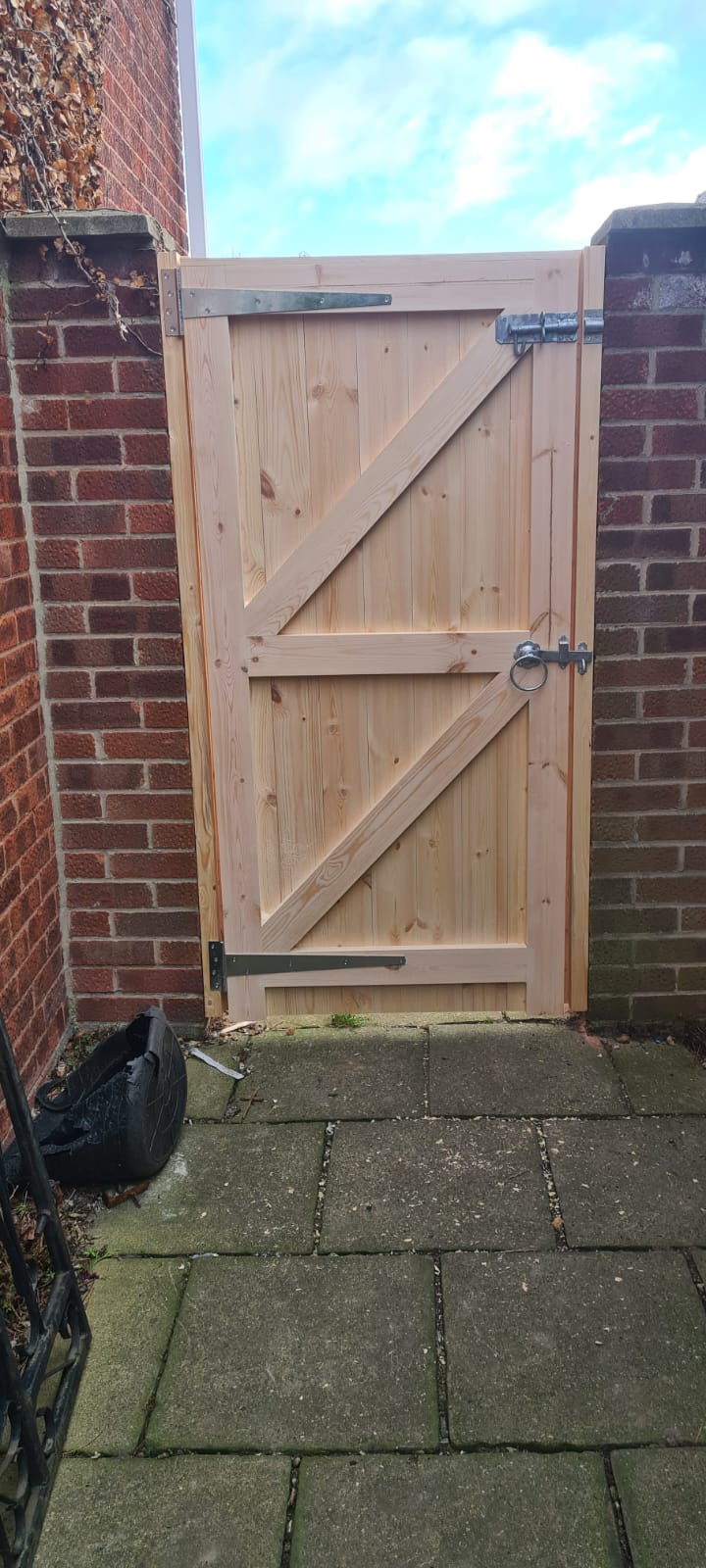
If you have been searching for “garden gates wooden”, you are likely looking for more than a way to close off a path. A good garden gate gives a side entrance proper purpose: it keeps children and pets where they should be, creates privacy between properties and finishes the garden with a solid, well-made detail. The difference between a gate that serves for years and one that twists, drops or splits often comes down to the timber, the joinery and the way it is fitted.
For a residential property, the best choice is rarely the cheapest gate available. It is the gate that suits the opening, the level of exposure and the amount of privacy or security you need, while being properly supported by suitable posts and ironmongery.
What makes wooden garden gates a worthwhile choice?
Timber has a warmth that metal and composite alternatives cannot easily match. It sits naturally alongside fencing, brickwork, planting and traditional British homes, whether the garden is a compact new-build plot or a long-established cottage garden. It can also be made in a far wider range of styles and sizes than many off-the-shelf options.
A wooden gate is not automatically a durable gate, however. Softwood that has been poorly dried, lightly framed or simply screwed together can move as weather conditions change. Rain causes timber to take on moisture; warm, dry spells draw it back out. That repeated movement puts strain on weak joints and can leave a gate sticking, sagging or opening up at the corners.
The answer is not necessarily to pay hardwood prices. Properly engineered timber offers an excellent balance for many homes. It is designed to improve stability while retaining the natural appearance and sensible cost that make wood such a popular material. When combined with traditional construction, it gives homeowners a gate made for everyday outdoor use rather than a decorative panel expected to cope on its own.
Start with the opening, not the gate style
Before choosing a design, measure the space accurately. Measure the clear gap between the posts or walls in at least three places: top, middle and bottom. Older properties and existing posts are not always perfectly square, so use the narrowest measurement when assessing the available width.
You will also need to allow for hinges, latch clearance and a sensible gap beneath the gate. The exact allowance depends on the ironmongery and ground conditions, but the gate should not scrape over paving, gravel or an uneven threshold. A small clearance at the bottom is particularly useful where leaves, mud and surface water collect.
Height matters as much as width. A lower gate can define a boundary without blocking the view into the garden. A taller boarded or closeboard-style gate gives greater privacy and is often the better choice for a side passage. If security is the priority, look for a design with limited footholds and fit a latch or lock that can be secured from the required side.
Made-to-measure work is particularly valuable when the opening is non-standard. Forcing a stock-size gate into an awkward space usually means excessive gaps, packing pieces or a gate that looks undersized. A correctly sized gate is easier to hang, more pleasing to look at and less likely to be altered in a way that weakens its construction.
Choose a design that suits how the gate will be used
Open-framed and picket designs suit front gardens and informal boundaries where light and visibility are welcome. They can make a small garden feel less enclosed, although they offer little privacy. Solid boarded designs are more suitable for side access, bins, storage areas and gardens overlooked by neighbouring properties.
Tongue-and-groove boarding gives a neat, close fit and can provide a more refined finish, while vertical boards with gaps between them have a lighter appearance. Curved tops soften a traditional garden setting; square tops often suit a clean, simple boundary. There is no single best style. The practical question is whether the design does the job required without looking out of place against the house, fencing and gate posts.
Construction details worth asking about
A garden gate spends its life outdoors, so the details hidden behind the finished face matter greatly. The frame should be substantial enough for the gate’s width and height, particularly on solid styles that carry more weight and catch more wind.
Mortice and tenon joints are a proven method of joining rails and stiles. Unlike a simple butt joint held by screws, the tenon is formed to fit into the mortice, creating a strong mechanical connection. When used with D4 exterior-grade adhesive and hardwood dowels, the result is a far more dependable frame for a working gate.
This is where handmade manufacture has a real advantage. A workshop-built gate can be proportioned around its intended size rather than made from the same lightweight components used across every width. At M & D Woodcraft Ltd, gates are made to order with traditional joinery, engineered timber and the practical attention that comes from more than 25 years in the trade.
Look closely at bracing too. On a single garden gate, diagonal braces should run from the lower hinge side up towards the closing side. This transfers the weight back towards the hinges and helps resist sagging. The direction is easy to overlook, but it is one of the clearest signs that a gate has been designed to carry its own weight correctly.
Posts and ironmongery are part of the gate system
Even the best-built timber gate will not perform properly on weak, loose or undersized posts. Posts carry the weight, absorb the movement from daily use and keep the opening true. If existing posts have started to lean, show signs of rot at ground level or feel loose, replacing them before fitting a new gate is usually the sounder investment.
For timber posts set into the ground, careful installation is essential. They should be positioned plumb, installed to an appropriate depth for their height and supported in a stable footing. Drainage around the base matters because standing water is hard on any timber. Where the gate is fixed to a brick wall, use fixings suited to the masonry and check that the wall itself is sound.
Hinges must match the gate’s weight and width. Adjustable gate hooks and bands are often a practical choice because they offer strong support and allow for later adjustment. A lighter tee hinge may suit a modest pedestrian gate, but it should not be expected to carry a wide, heavy boarded gate. Consider the latch, handle, drop bolt and any lock at the same time, rather than treating them as afterthoughts.
For gates exposed to prevailing weather, galvanised or suitably coated ironmongery helps reduce corrosion. Black fittings can give a traditional appearance, but their finish should be maintained if the gate is in a damp or coastal location.
Protect the timber before the weather gets to it
A quality wooden gate still needs a finish appropriate to its surroundings. Primer, paint, stain or exterior oil all have their place, depending on the appearance you want and the level of maintenance you are prepared to carry out.
Paint gives strong colour coverage and can tie the gate to window frames, doors or fencing. It needs a sound, prepared surface and should be checked for chips or cracks, especially around joints and end grain. Exterior oils allow more of the timber character to show through and are straightforward to refresh, although they generally need more regular reapplication than a well-maintained painted system.
Whichever finish you choose, treat cut ends, the bottom edge and areas around fittings with care. These are common entry points for moisture. Do not wait until timber looks grey, dry or weathered before giving it attention. A quick annual inspection, cleaning away soil and leaves, tightening fittings and touching up the finish can prevent small issues becoming costly repairs.
Buy for the conditions at your property
A sheltered gate between two buildings has a different job from one facing an open, windy garden. A tall solid gate can act like a sail in exposed conditions, placing greater pressure on posts, hinges and the frame. In that situation, a lower or more open design may be the wiser choice, or the posts and fittings may need to be upgraded to suit.
Think about daily use as well. A side gate used several times a day for school runs, wheelie bins and garden access needs dependable latching and generous clearance. A gate used mainly for appearance can prioritise a more decorative design. Families may also want a latch positioned beyond a young child’s reach, while pet owners should check that gaps beneath and between boards are not large enough for an animal to escape.
The right wooden garden gate should feel solid when you open it, close cleanly without forcing it and look as though it belongs to the property. Give equal attention to the timber, joints, posts and hardware, and you will have a practical feature that earns its place in the garden through every season.


Comments