


Why Engineered Timber Stays Straighter in Gates
- Mark C
- 22 hours ago
- 6 min read
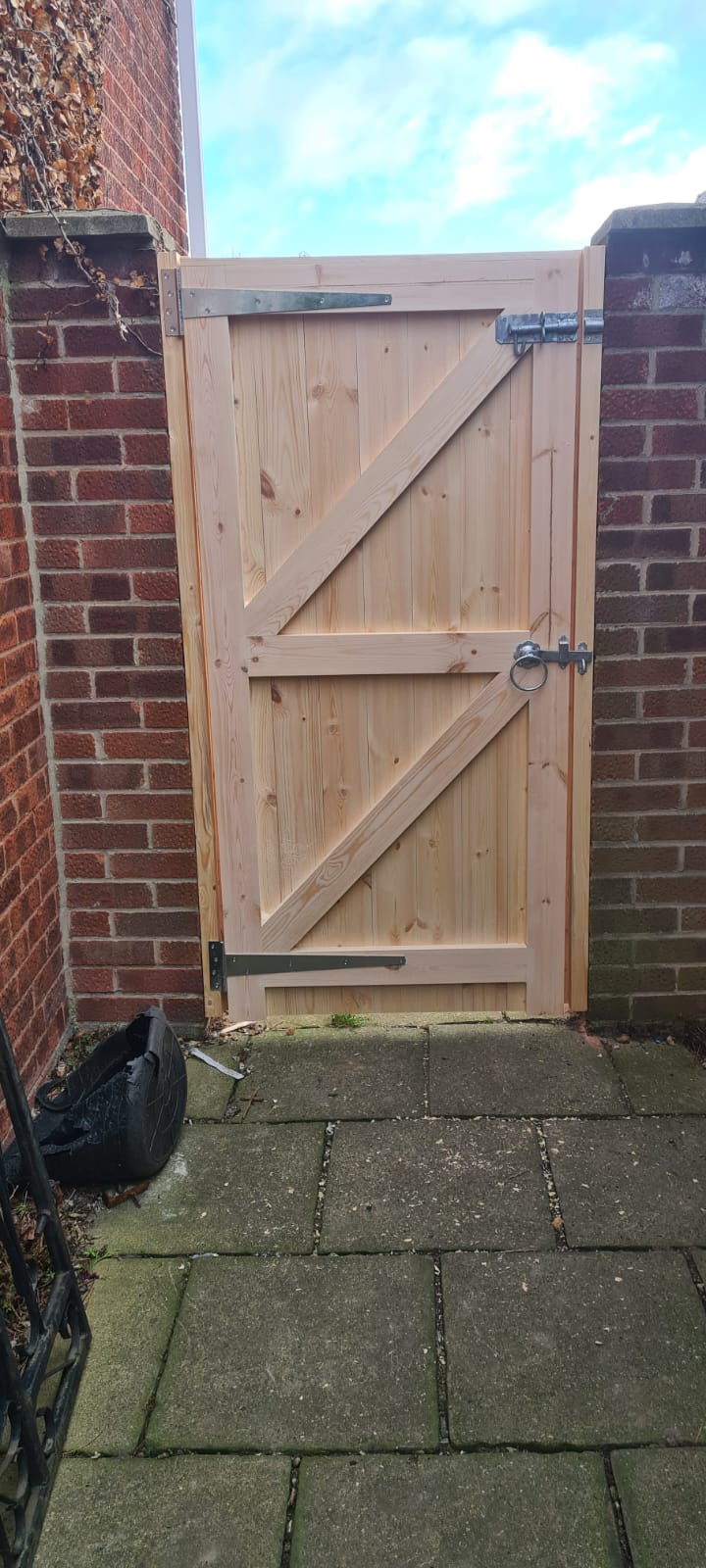
A driveway gate can look sound when it is first fitted, then slowly begin catching on the ground, pulling at the latch or opening unevenly through the seasons. That is why engineered timber stays straighter than many conventional timber options: it is made to reduce the natural movement that can affect a wide, exposed wooden gate.
At M & D Woodcraft, engineered timber is used because it gives homeowners a practical balance. It offers the traditional appearance and warmth of timber, with greater stability than standard pressure-treated softwood, without the cost associated with many hardwood gates. The result is a made-to-measure gate designed to cope better with British weather and everyday use.
Wood naturally moves with moisture
Every piece of timber contains fibres that absorb and release moisture from the air. When humidity rises, wood takes in moisture and expands. In dry or warm conditions, it releases moisture and contracts. This is normal, and no genuine timber product is completely free from it.
The difficulty comes when a gate is made from a large piece of ordinary timber with a natural weakness, knot, uneven grain or built-in tension. As its moisture content changes, one area may move more than another. The timber can then cup, twist, bow or split.
For a small internal item, minor movement may not matter. On a full-height garden gate or a pair of driveway gates, even a small amount of movement can become noticeable. It can affect the gap between the leaves, the alignment of the latch and the clearance beneath the gate. A gate is also exposed on both sides, often facing rain, frost, sun and wind throughout the year, so material stability matters from the outset.
Why engineered timber stays straighter
Engineered timber is built from smaller, carefully prepared sections of wood rather than relying on one large, solid piece. These sections are selected, machined and bonded together to create a more consistent component.
This process helps in several ways. Smaller sections are less likely to carry the same level of internal stress as a wide, single board. Timber with major defects can be removed before manufacture, rather than becoming part of a long gate rail or stile. The sections can also be arranged so that the natural tendencies within the wood are better balanced across the finished piece.
Once bonded with a proper exterior-grade adhesive, the laminated component acts as one stable section. It still behaves like timber - it is not plastic, metal or maintenance-free - but its movement is more controlled and less likely to show as a dramatic twist or bow.
That is particularly valuable in the main structural parts of a gate. Long stiles and rails have to remain straight enough to keep the gate square. If a stile twists, hinges can be placed under strain. If a top or bottom rail bows, the gate may lose its clean lines and its fit within the opening.
Better material selection before the gate is made
The strength of engineered timber begins well before glue is applied. Good manufacture depends on using timber that has been properly prepared and assessed. Knots, grain direction and moisture condition all influence how a section will perform.
A knot is not always a problem in a decorative boarding face, but it can be a weak point in a structural rail. Likewise, a piece with pronounced grain run-out may be more likely to distort than a cleaner, straighter section. By working with smaller pieces, manufacturers have more opportunity to select suitable material for each part of the finished gate.
This is one reason engineered timber is well suited to bespoke work. A gate can be made to the required width and height without simply asking one oversized length of timber to remain perfectly straight for years outdoors.
Balanced construction reduces the pull of the timber
Wood does not move evenly in every direction. Its structure means it changes more across its width than along its length. The way boards are cut, joined and arranged therefore has a direct effect on the finished component.
In engineered construction, sections are combined to help balance those forces. One piece that has a slight tendency to move can be paired with another so the finished rail or stile is more stable overall. The aim is not to pretend that timber will never respond to weather, but to prevent one natural tendency from dominating the whole piece.
This is a far more reliable approach than hoping a broad, single piece of treated softwood will stay flat once it is fitted to a gate frame.
Straight timber still needs strong joinery
Material quality alone does not make a durable gate. The best timber can still fail early if the joints are weak or water is allowed into vulnerable areas.
For exterior gates, traditional mortice and tenon joinery provides a deep mechanical connection between the rails and stiles. Rather than relying on screws driven through the face of the frame, the timber members lock together within the joint. When combined with D4 exterior-grade glue and hardwood dowels, this creates a strong frame built for the repeated loading of hinges, latches and day-to-day opening.
The relationship between stable timber and proper joinery is important. Straighter rails help a frame stay square, while sound joints prevent the frame from working loose as the gate is used. Both are needed if a gate is to continue hanging properly after several wet winters.
A well-made gate should also allow for sensible drainage and avoid unnecessary places where water can sit. End grain, lower rails and joint lines deserve particular attention because these are the areas most exposed to moisture over time.
Engineered timber versus pressure-treated timber
Pressure treatment and engineered construction do different jobs. Pressure treatment is intended to help protect timber against decay and insect attack. It does not, by itself, stop timber from shrinking, swelling, twisting or bowing.
This is where buyers can be caught out. A pressure-treated gate may be suitable for some applications, but treatment should not be confused with stability. If the timber is made from broad, lower-grade sections with knots and variable grain, it can still move significantly as it dries and weathers.
Engineered timber is chosen principally for its consistency and resistance to distortion. It is often a sensible middle ground for homeowners who want a substantial wooden gate with a traditional finish, but do not want the price of a hardwood alternative.
That said, material choice should always suit the job. A small side gate in a sheltered position has different demands from a large pair of driveway gates on an exposed rural property. Gate width, height, weight, fixing posts, hinge type and local weather all need consideration. For especially demanding locations, the design and installation are every bit as important as the timber itself.
The finish and installation still matter
Even engineered timber needs protection. A quality primer and suitable exterior topcoat, oil or paint system slows moisture exchange and helps preserve the surface. It should be applied properly, including to edges, end grain and any areas cut during fitting.
Regular checks are straightforward but worthwhile. Keep vegetation away from the gate, clear soil and leaf build-up from beneath it, and make sure water is not continually splashing onto the lower rail. Recoat when the finish begins to look thin or weathered rather than waiting for bare timber to appear.
Installation also has a major bearing on whether a gate stays true. Posts need to be solid and correctly positioned, hinges must suit the gate's weight, and enough clearance should be left for seasonal movement and ground conditions. A straight gate fitted to weak or shifting posts will still develop problems.
A practical choice for long-lasting wooden gates
Engineered timber does not remove the character of wood. It retains the natural grain, warmth and handmade appearance that make timber gates such a good fit for British homes. What it does is make that material more dependable for a job where straightness, strength and appearance all count.
For a made-to-order garden gate, entrance gate or driveway gate, choosing engineered timber means starting with a frame less prone to the twists and bows that can spoil both operation and kerb appeal. Pair it with careful joinery, a suitable finish and sound installation, and it gives your gate the best chance of staying as reliable as it looks.


Comments