


Best Oil for Wooden Gates in the UK
- Mark C
- Jun 14
- 6 min read
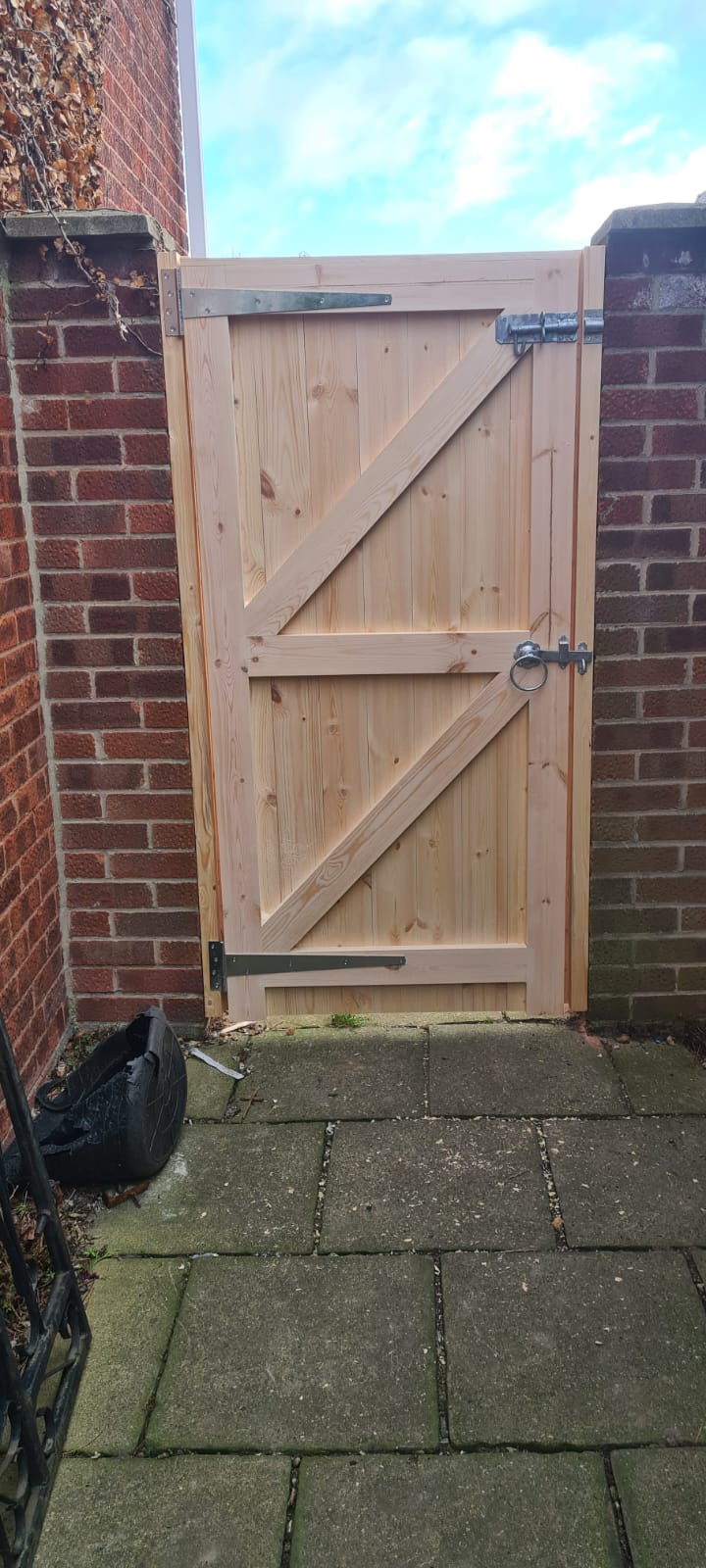
A wooden gate can be built properly, hung properly and fitted with good ironmongery, but if the finish is wrong, it will soon show. Sun, rain, frost and general day-to-day exposure all take their toll, which is why choosing the best oil for wooden gates matters just as much as choosing the gate itself.
For most exterior softwood gates, a high-quality pigmented exterior wood oil is the right choice. It soaks into the timber rather than sitting on top like a brittle film, helps the wood move naturally with the weather, and is easier to maintain over time. Clear oils have their place, but if long-term protection is the priority, a coloured oil usually does a better job.
What is the best oil for wooden gates?
The short answer is this: the best oil for wooden gates is usually an exterior wood oil designed for joinery and cladding, with UV protection, water repellence and a microporous finish. In plain terms, you want an oil that penetrates well, slows down moisture intake, and does not trap water inside the timber.
That matters because gates live a hard life. One face may get the full weather while the other stays shaded. Tops of rails catch standing water. Bottom edges deal with splashback from the ground. If a finish cannot cope with that cycle, it will either wear away too quickly or start failing in patches.
A proper exterior oil gives you a more forgiving finish. When maintenance time comes around, you are generally cleaning and reapplying rather than stripping back a peeling coating. For most homeowners, that is a far more practical option.
Why oil is often better than varnish or standard paint
There is no single finish that suits every gate, but oil is often the sensible middle ground between appearance, protection and maintenance.
Varnish can look smart at first, but on an external gate it often struggles over the long term. Once the surface film starts to crack or lift, water can get underneath and the finish can deteriorate quickly. Repairing it is rarely a small job.
Paint gives solid colour coverage and can work well if the gate has been prepared specifically for painting, but it creates a different look and usually needs a more committed maintenance routine. If damaged, paint films can also let moisture in around weak points.
Oil is simpler. It feeds into the timber, enhances the grain, and leaves a more natural finish. It will not make a softwood gate behave like hardwood, and it is not maintenance-free, but it is often the most practical option for a gate that needs to look good and stand up to British weather.
The best oil for wooden gates depends on the timber and location
This is where honest advice matters, because there is no point pretending one tin suits every situation.
If your gate is made from softwood, especially engineered or laminated joinery-grade timber, an exterior oil with good water resistance and UV pigments is usually the best fit. Softwood benefits from regular protection because it is more vulnerable to surface weathering if left exposed.
If the gate is in a very sheltered spot, such as a side entrance tucked between walls, the finish may last longer between coats. A driveway gate facing south-west on an open frontage is a different story altogether. Strong sunlight and driving rain will shorten the maintenance cycle, no matter how good the product is.
The colour choice also affects performance. Clear and very light finishes tend to offer less UV resistance than medium or darker tones. That does not mean you must choose a dark brown gate, only that a small amount of pigment usually gives better protection than a fully clear oil.
What to look for in a gate oil
When comparing products, look past the marketing and focus on how the oil is meant to perform outdoors.
A good gate oil should be suitable for exterior joinery, not just interior furniture or decking. It should be water repellent, UV resistant and breathable. Microporous is the key word many manufacturers use, and in this case it matters. A microporous finish helps moisture vapour escape rather than sealing the timber too tightly.
It is also worth choosing an oil that is straightforward to maintain. Wooden gates are not kitchen worktops. You want a finish that can be cleaned and recoated without turning every maintenance job into a weekend of sanding.
Drying time matters too, especially in the UK where weather windows can be short. Some oils need very careful application conditions. Others are more forgiving. Always check the instructions, but as a rule, avoid applying any finish when rain is due, the timber is damp, or temperatures are too low.
Clear oil or coloured oil?
This is one of the most common questions from homeowners, and the answer comes down to priorities.
If you want to keep the timber looking as natural as possible, clear oil is the obvious choice. It freshens the wood and adds some protection, but it usually offers less defence against sunlight. Over time, the timber is more likely to silver, fade or weather unevenly.
If protection comes first, a coloured oil is generally better. Even a light oak, pine or cedar shade can improve UV resistance noticeably. The gate still looks like timber, not like painted joinery, but the finish does more heavy lifting.
For most external gates, that balance makes sense. A lightly pigmented oil tends to preserve the appearance more consistently and reduce how quickly the surface dries out or discolours.
How to apply oil properly
The best product in the world will not perform well if it is applied badly. This is often where problems begin.
Start with dry, clean timber. If the gate is new, make sure the surface is free from dust and workshop residue. If it has already been outside for some time, wash off dirt, algae and any loose material, then allow it to dry thoroughly before doing anything else.
Pay close attention to the end grain, joints, top edges and bottom edges. These areas are especially vulnerable because they take in moisture more readily than broad flat faces. A proper first coat should not be rushed, and all sides should be treated evenly where possible.
Most oils perform best in thin, controlled coats rather than one heavy application. Flooding the surface can leave sticky patches and an uneven finish. Follow the manufacturer's coverage guidance and drying times, and do not assume more is always better.
If the gate is being fitted new, it is best to treat it before or immediately after installation. Waiting too long leaves fresh timber exposed at the point when it needs protection most.
How often should wooden gates be reoiled?
That depends on exposure, colour choice and how well the gate was treated in the first place. As a rough guide, inspect the finish at least once or twice a year.
A sheltered gate with a good pigmented oil may only need a maintenance coat at longer intervals. A gate on an exposed elevation may need more regular attention, particularly on the weather-facing side. The top rail often shows wear first, followed by leading edges and lower sections near the ground.
Do not wait until the gate looks completely tired. Recoating before the finish has fully broken down is easier, cheaper and better for the timber. Light maintenance at the right time nearly always beats major remedial work later on.
Common mistakes to avoid
One mistake is choosing a finish based only on the colour chart. Appearance matters, of course, but a gate finish has a job to do. Exterior suitability should come first.
Another is leaving areas untreated because they are less visible. The back face, top and bottom edges, and hinge side all need proper attention. Moisture does not only attack the parts you can see from the driveway.
A third is assuming factory treatment or pressure treatment means no further care is needed. Even well-made gates benefit from a suitable finishing system and routine maintenance. Timber is a natural material, and external joinery always needs ongoing care.
At M & D Woodcraft Ltd, that is something we are always honest about. A well-built gate gives you the right foundation, but the finish and aftercare are what help keep it looking right year after year.
So which oil should you choose?
If you want the safest all-round answer, choose a quality exterior wood oil made for joinery, preferably with a light or medium pigment rather than a fully clear finish. That will suit most wooden gates in UK conditions and give a sensible balance of appearance, protection and easy maintenance.
If your main priority is preserving a very natural timber look, clear oil can still be used, but expect to maintain it more often. If your gate is highly exposed, lean towards a pigmented product and keep a closer eye on wear points.
A good gate is an investment in privacy, security and kerb appeal. The right oil helps protect that investment without disguising the character of the timber. Choose a finish made for exterior joinery, apply it with care, and keep on top of maintenance before problems start. Your gate will thank you for it through every wet winter and dry spell that comes its way.


Comments