


How to Choose Gate Posts for Lasting Support
- Mark C
- 9 hours ago
- 6 min read
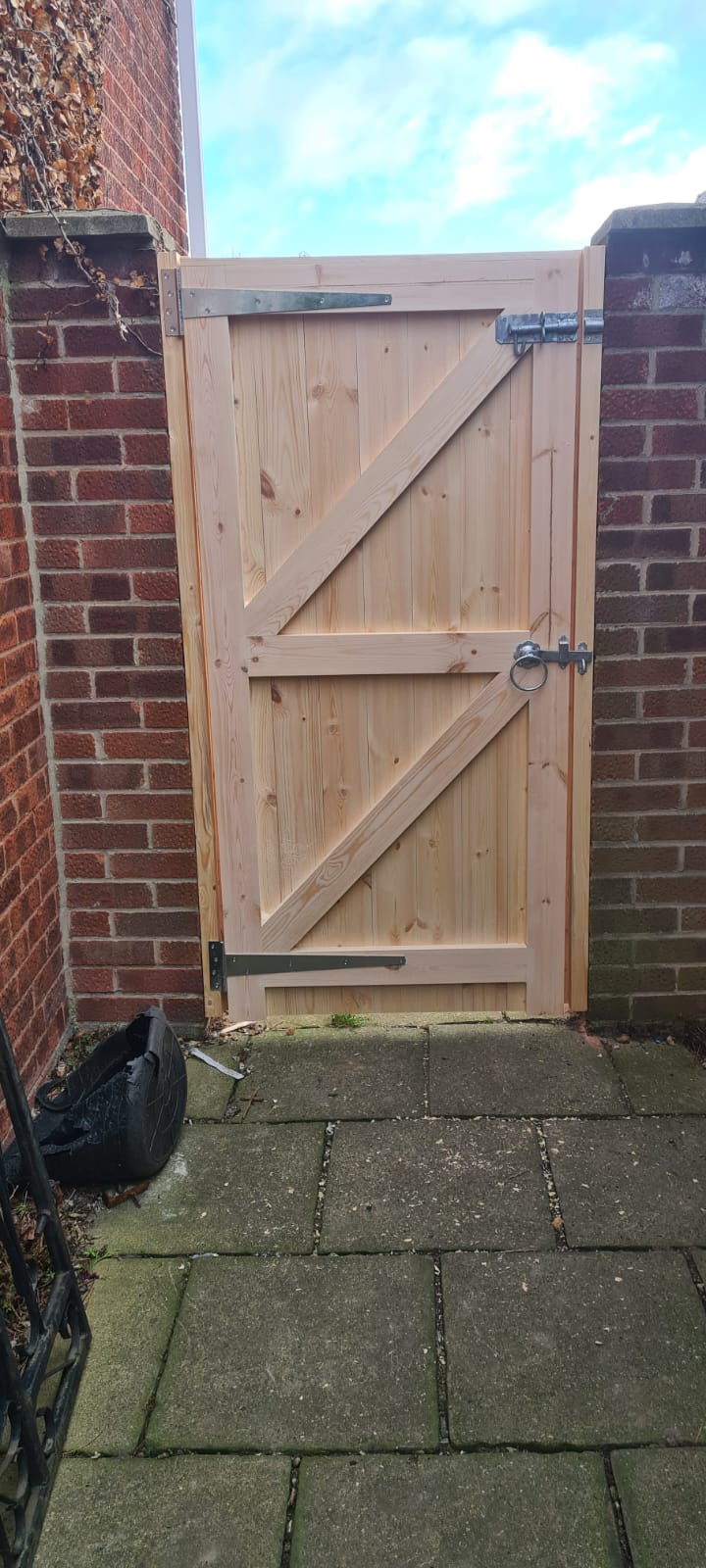
A gate can be made with the best timber, proper mortice and tenon joints and quality ironmongery, yet still fail to perform if the posts are too light or poorly fitted. Knowing how to choose gate posts means looking beyond appearance. The posts carry the weight of the gate, resist repeated movement and must stay true through wet winters, dry spells and everyday use.
For a garden gate, the wrong post may show itself as a sagging latch or a gate that catches on the ground. For driveway gates, undersized posts can lead to much bigger problems: dropped leaves, strained hinges and gates that no longer meet neatly in the middle. Choosing correctly at the start makes fitting simpler and protects your investment for years to come.
How to Choose Gate Posts by Gate Weight and Width
Start with the gate itself. Its width, height, thickness and construction all affect the load placed on the hanging post. A narrow pedestrian gate is very different from a pair of solid wooden driveway gates, especially where each leaf is wide or tall.
As a general rule, larger and heavier gates need thicker, longer posts. A post has to support not only the static weight of the gate but also the force created when it is opened, shut or caught by the wind. The wider the gate leaf, the greater the leverage exerted on the hinge side. This is why a post that appears substantial enough can still move over time if it has been chosen only by eye.
For many domestic garden gates, a 100 mm x 100 mm post is a sensible starting point. Heavier gates may require 125 mm x 125 mm or 150 mm x 150 mm posts. Driveway gates commonly need 150 mm x 150 mm posts, with larger sections worth considering for particularly wide, tall or heavy made-to-measure gates. The exact requirement depends on the gate design and hinge arrangement, so it is always better to allow proper strength rather than work to the bare minimum.
Post length matters just as much as section size. The portion below ground is what keeps the post upright. A useful guide is to allow around one-third of the finished post length below ground, although ground conditions, gate weight and exposed locations may call for more. If your gate stands 1.8 metres high above ground, a 2.4 metre post may not leave enough depth for a demanding installation. It is wiser to calculate the buried section before ordering, rather than trying to make a short post work.
Choose a Material That Suits the Job
Timber posts are the natural choice alongside handmade wooden gates. They give a consistent appearance, are straightforward to drill and fit, and can be painted, primed or oiled to match the gate. However, not all timber posts are equal. The quality of the timber, its treatment and the way it has been prepared will all influence how well it stands up to outdoor use.
A good wooden post should be straight, sound and suitable for external ground contact. It needs to cope with moisture at the base, where decay is most likely to begin, while remaining stable enough to keep hinges aligned. Engineered timber can offer a worthwhile advantage here. By forming the section from selected timber components, it is designed to reduce the natural movement associated with a single piece of timber. That stability is particularly valuable on gate posts, where even a small twist can affect the way a gate closes.
Concrete posts are strong and long-lasting, but they tend to suit panel fencing better than traditional timber gates. They can look out of place beside a handcrafted gate and require more care when fixing hinges. Steel posts offer excellent strength in certain applications, especially for very heavy gates, but should be properly protected against corrosion and selected with the intended fittings in mind. For most residential wooden gates, a correctly sized quality timber post remains the practical, traditional option.
Think About the Ground Before Ordering
The ground at your entrance has a direct bearing on the posts you need. Firm, well-drained soil is easier to work with than loose, made-up ground or heavy clay. Clay can hold water and move as it gets wet and dries out. Sandy or disturbed ground may not give a post enough support unless the hole is made deeper or wider and filled carefully.
Check what lies below the surface before digging. Services, drainage runs, old foundations and tree roots can all affect where a post can be placed. If the ideal gate position is close to a wall, driveway edge or retaining feature, make sure there is enough room to excavate a proper hole without weakening anything nearby.
Concrete is often used to secure gate posts, but it should be used thoughtfully. The post needs to be set plumb and supported while the concrete cures, with enough room around it to resist movement. Avoid leaving a flat concrete surface around the timber base, as this can collect water. Finishing the top of the concrete with a slight slope away from the post helps rainwater drain off instead.
Where drainage is poor, take extra care. A layer of compacted gravel at the base of the hole can help, but it is not a substitute for selecting suitable treated timber and fitting it to the correct depth. If the site is particularly exposed, on a slope or used by large vehicles, speak to an experienced installer before committing to post sizes and positions.
Match the Posts to Your Hinges and Latch
Posts do more than hold the gate upright. They need enough face width for hinge plates, bolts and latch keeps, with a safe margin around every fixing. Trying to fit substantial adjustable hinges to a narrow post can leave bolts too close to the edge, increasing the chance of splitting and making adjustment more difficult.
Plan the ironmongery at the same time as the posts. Hook-and-band hinges, adjustable hinges and traditional strap hinges each need suitable clearance. For a pair of driveway gates, allow for the centre stop, drop bolts and any locking arrangement as well. A gate that meets in the middle needs accurately positioned posts, so measure the opening at the top, middle and bottom rather than relying on one measurement.
The gate should normally sit clear of the ground to allow for drainage, leaf fall and minor seasonal movement. Do not set the hanging post based solely on the gate height. Include the desired ground clearance and the space required for hinges in your calculations. On a sloping driveway, the direction in which the gate opens becomes especially important. In some cases, gates must open inwards or be designed with a rising hinge arrangement to avoid catching the surface.
Allow for Caps, Finish and Long-Term Care
The top of a timber post is exposed to rain and should be protected with a suitable post cap. A cap helps shed water away from the end grain, which is one of the most vulnerable areas of the timber. It also gives the entrance a more finished appearance, whether you prefer a simple flat cap, a shaped timber cap or a more decorative style.
If you are painting or oiling your gate, consider the post finish at the same time. Applying primer or treatment to cut ends, drilled holes and any site-made notches is good practice. These are the areas where moisture can enter most readily. Once the gate is fitted, inspect the posts and fittings periodically, particularly after the first winter. Re-tightening adjustable hinges or refreshing a protective finish early is far easier than correcting a gate that has been allowed to drop.
When Bespoke Posts Are Worth Choosing
Standard posts are suitable for many openings, but a non-standard entrance often benefits from a tailored approach. You may need extra length for a deep set, a heavier section for wide driveway gates, or a post finished to match a gate made to an unusual size. This is also worth considering where the gate is attached to existing brickwork, where a freestanding post must line up precisely with a wall or pillar.
At M & D Woodcraft, gates and posts can be considered as one installation rather than separate purchases. That helps ensure the timber section, post height and ironmongery suit the gate you have chosen, particularly where a made-to-measure design is involved.
A well-chosen post should not draw attention to itself once the job is complete. It should simply keep the gate square, secure and easy to use, season after season. Give the posts the same care you give the gate, and the whole entrance will look better and work better for longer.


Comments