


Best Locks for Wooden Gates for UK Homes
- Mark C
- 2 days ago
- 6 min read
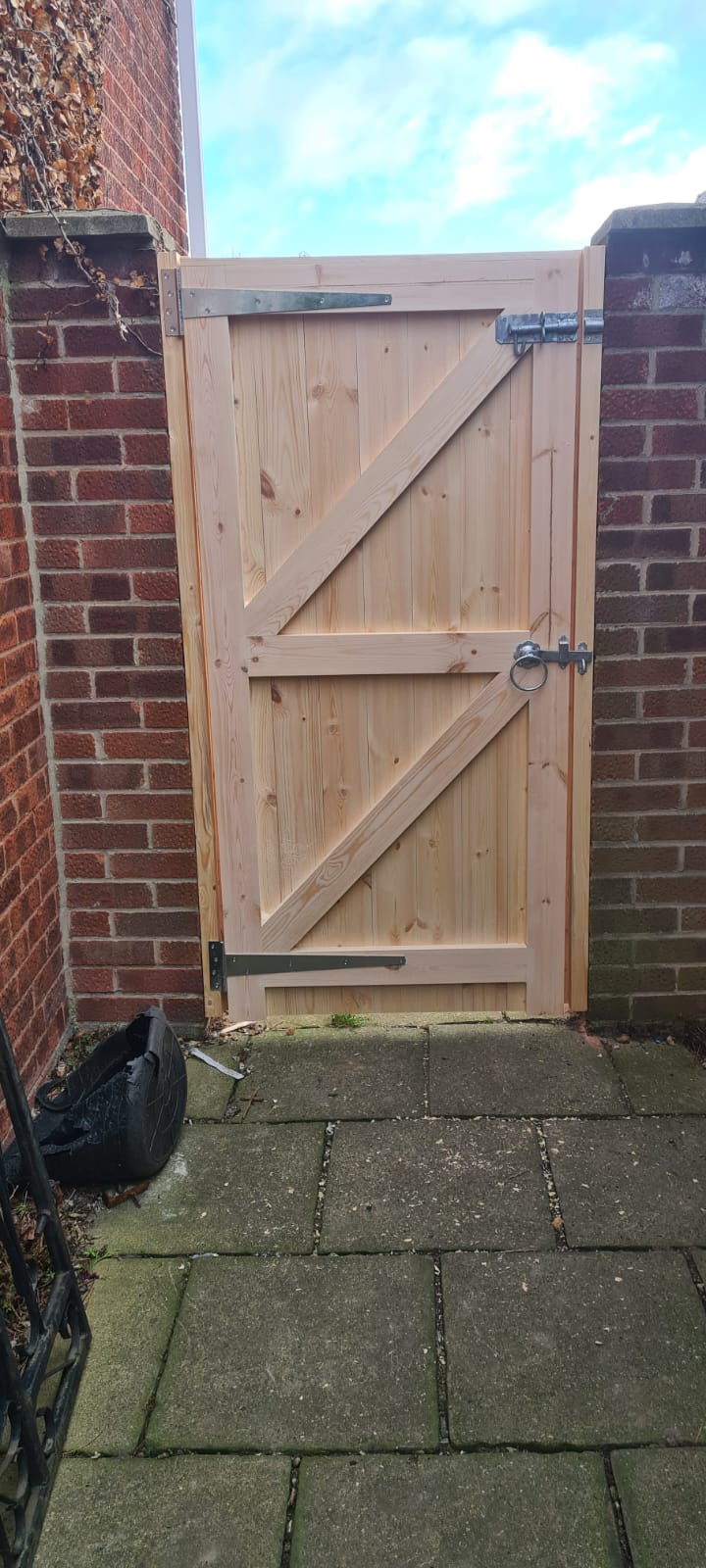
A well-made wooden gate can look the part for decades, but the lock is what decides whether it is easy to live with every day. The best locks for wooden gates are not simply the strongest-looking option. They need to suit the gate’s position, thickness, opening direction, use and exposure to the British weather.
A side garden gate that is opened several times a day needs a different answer from a pair of driveway gates securing vehicles overnight. Get the choice right at the start and the gate closes cleanly, stays secure and does not suffer unnecessary strain around the lock area.
Start with the job the gate needs to do
Before choosing ironmongery, decide what you expect from the gate. For a garden side entrance, privacy and a reliable latch may be the main concern. For a rear access gate, you may want a key-operated lock to protect tools, bikes or access to the house. Driveway gates often need a combination of a secure centre fixing, dependable hinges and a means of holding the gates open safely.
It also matters whether the gate is single or double, inward or outward opening, and whether it is solid boarded, framed or open railed. A lock fitted to a light decorative gate can become awkward to use if it is too heavy or places too much leverage on the timber. Equally, a small latch is unlikely to be enough for a tall, heavy gate facing an exposed driveway.
The gate posts deserve equal attention. A good lock can only perform properly when the receiving post is substantial, plumb and firmly fixed. If a post moves with the wind or has started to lean, the bolt will eventually stop lining up with the keep.
Best locks for wooden gates by application
Long-throw gate locks for secure side access
A long-throw lock is often the best all-round choice for a timber side gate leading to a garden or rear boundary. It is operated by a key from outside and usually by a key or thumbturn from inside, depending on the model. The long bolt reaches well into a keep or staple on the post, giving a positive, secure closure.
This type of lock works especially well with framed and ledged gates because it can be surface fitted without cutting deeply into the timber. It is also practical where the gate and post have a slightly wider gap than usual. Choose a lock with a weather-resistant finish and a properly designed keep rather than relying on a simple staple.
There is a trade-off. Surface-mounted locks are visible, so their appearance becomes part of the overall gate design. On a traditional timber gate, black or galvanised ironmongery generally sits more naturally than bright plated fittings.
Rim locks for pedestrian gates used every day
A rim lock is another sensible option for a single wooden pedestrian gate, particularly where convenience matters as much as security. The lock body is fixed to the inside face of the gate, while a key cylinder operates it from the outside. Many versions include a latch, allowing the gate to close behind you without needing to lift a separate catch.
This is useful for a family garden gate or a side passage used for bins, deliveries and everyday access. The key point is alignment. The latch must meet its keep squarely, and the gate must not drop on its hinges. A poorly hung gate will make even a good rim lock feel stiff and unreliable.
For a gate that opens outwards onto a public path or shared access, take care with the lock position and any projecting furniture. The gate should not create an obstruction when opened.
Mortice locks for a cleaner fitted appearance
A mortice lock is recessed into the edge or frame of the gate. It gives a neater, less visible finish and can suit a substantial hardwood or engineered timber gate with enough material around the lock case. It is a popular choice where appearance is a high priority and the gate has a deep, solid stile.
The fitting must be accurate. Cutting too large a pocket weakens the timber, while a lock too close to a joint can affect the strength of the frame. On handmade gates with mortice and tenon construction, the lock position should be planned so it does not compromise a key joint or hardwood dowel.
Mortice locks are best fitted by someone confident in setting out and cutting timber cleanly. They are not always the best route for a thin gate, a narrow stile or a gate likely to move slightly with seasonal changes.
Heavy-duty slide bolts for double driveway gates
For a pair of wooden driveway gates, slide bolts are usually part of the answer rather than the whole answer. One leaf is commonly secured to the ground with a drop bolt or cane bolt, while the meeting leaf closes against it using a centre latch, long-throw lock or locking arrangement suited to the design.
A heavy-duty slide bolt is useful for holding a gate leaf in place once the pair is shut. Ground sockets should be positioned accurately and kept clear of soil, gravel and leaves. A bolt that cannot drop fully into its socket provides very little benefit.
Driveway gates are large, and wind load is a real consideration. Strong hinges, correctly sized posts and good clearance above the ground are as vital as the locking furniture. Do not expect a lock to compensate for gates that sag, rack or move in their posts.
Padbolts and hasps for simple secondary security
A padbolt and hasp can be an economical option for sheds, field-style entrances, internal garden divisions or a secondary fixing on a gate already held by a latch. They are straightforward, visible and easy to replace if required.
For a main household boundary gate, however, an exposed padlock should be chosen carefully. Look for a closed-shackle design where possible, as this gives less access to bolt cutters. The hasp needs to be securely fixed through a solid section of the gate and into a strong post, not merely screwed into a thin board.
This arrangement can be practical, but it is less convenient than a key-operated gate lock for daily use. Carrying a padlock and key every time you leave the garden soon becomes tiresome.
Match the lock to the gate construction
Timber gates move a little across the seasons. Rain, frost, sun and changing moisture levels can alter small clearances, particularly on gates made from ordinary softwood boards. Leave enough tolerance around the keep and bolt for normal movement, but not so much that the gate rattles in the wind.
A properly engineered timber gate provides a more stable base for ironmongery than loosely assembled boards. At M & D Woodcraft, gates are made with engineered timber, mortice and tenon joints, D4 exterior adhesive and hardwood dowels, giving fittings a sound framework to work from when they are positioned correctly.
Avoid placing heavy locks at the very edge of a narrow rail or close to an end grain fixing. Screws hold best when they pass into a solid, substantial part of the gate frame. For heavier fittings, through-bolts with washers and nuts may be preferable to screws alone, provided their appearance suits the gate.
Choose finishes that can withstand the weather
Gate furniture is constantly exposed. Painted mild steel may look smart at first but can need regular attention if the coating is damaged. Galvanised steel is a practical choice for exposed locations, while powder-coated black finishes suit many traditional gates if they are maintained. Stainless steel offers excellent corrosion resistance but can look more contemporary and may cost more.
Do not mix metals without thought. Some combinations can encourage corrosion, particularly where water sits between fittings. Keep the gate finish maintained too. If bare timber around a lock fixing repeatedly gets wet, moisture can enter the fixing holes and shorten the life of both timber and ironmongery.
Fitting details that make a lock work properly
The best lock will disappoint if it is fitted to a gate that is out of square. Hang the gate first, check that it swings freely and set the closing gap before marking the lock position. Test the operation several times before drilling final holes or tightening every fixing.
The lock should be comfortable to reach, normally around hand height, without sitting on a structural joint. Fit the keep to the post only after the gate-side lock is secure. If the gate is likely to settle after installation, allow for adjustment rather than making the bolt fit too tightly from day one.
For double gates, establish which leaf is the active opening leaf. Secure the passive leaf first with a drop bolt or suitable fixing, then fit the centre lock so it closes against a stable gate rather than one that can move.
A sensible choice is usually the best one
For most secure single wooden garden gates, a weather-resistant long-throw lock offers the strongest balance of security, simplicity and traditional appearance. A rim lock is often better for frequent pedestrian use, while double driveway gates normally call for a planned combination of centre locking and ground bolts.
Choose the lock after considering the gate, posts and hinges as one working system. A carefully made timber gate deserves fittings that are properly sized, accurately installed and maintained from season to season - that is what keeps the entrance looking good and working as it should.


Comments