


How Long Do Timber Gates Last in the UK?
- Mark C
- Jul 11
- 6 min read
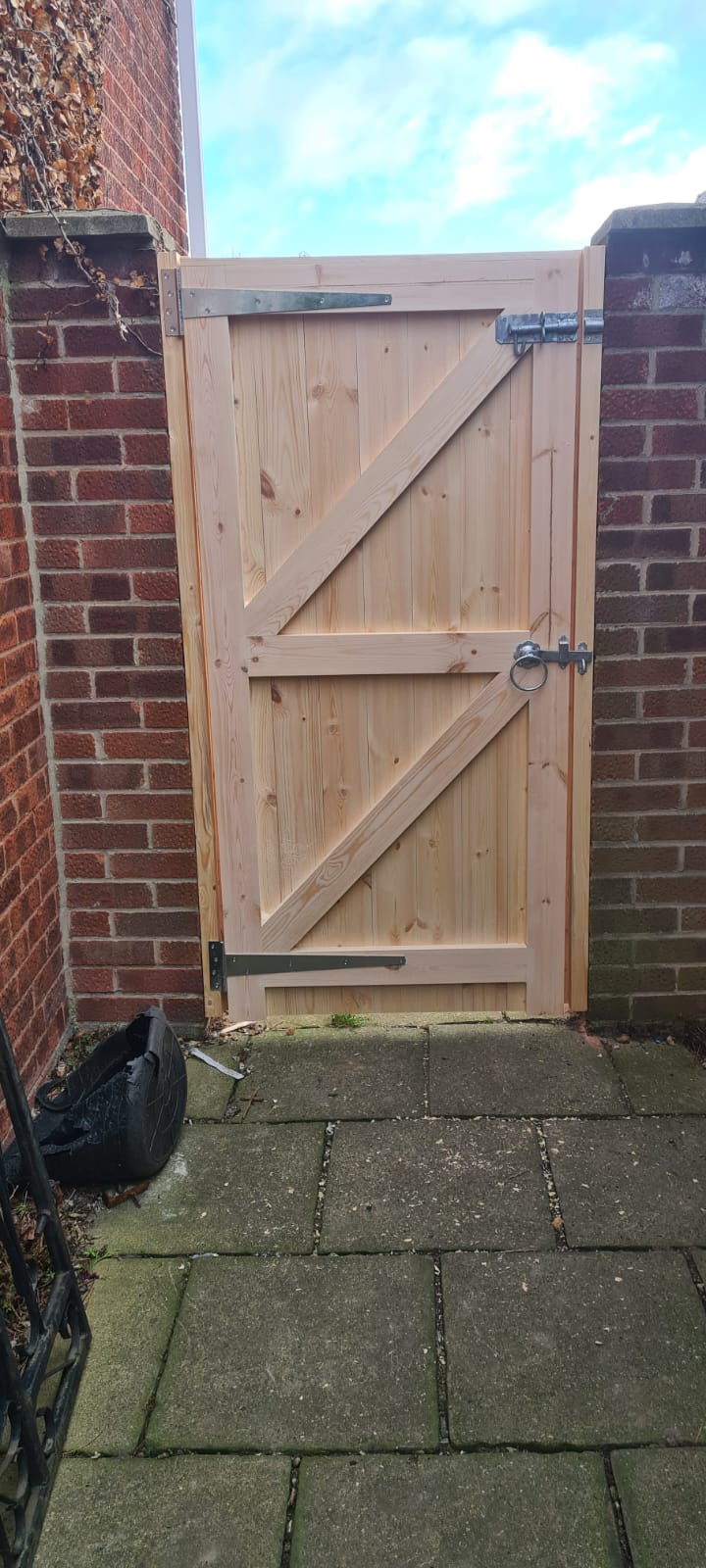
A timber gate can be the first thing people notice about a property, but it also has to withstand rain, frost, sunlight and daily use. So, how long do timber gates last? A well-made and properly maintained timber gate can commonly give 15 to 20 years of service, and sometimes longer. A cheaply made gate, poorly fitted or left without protection, may begin to fail much sooner.
The honest answer is that lifespan depends on more than the timber alone. Construction, finish, installation and regular care all decide whether a gate remains straight, secure and smart-looking over the years.
How Long Do Timber Gates Last?
For most UK homes, a quality softwood timber gate should be viewed as a long-term exterior joinery purchase rather than a fit-and-forget item. A basic pressure-treated gate may last around 10 to 15 years if it is looked after, though the frame, joints and lower edges can deteriorate earlier where moisture is allowed to sit.
A properly manufactured engineered timber gate, built with sound joinery and protected with a suitable exterior coating, can reasonably last 15 to 20 years or more. This is not a guarantee, because every property is exposed differently, but it is a realistic expectation when the gate is installed correctly and maintained.
Hardwood can offer a longer potential lifespan, particularly with the right species and regular care. However, it comes at a much higher initial cost. For many homeowners, engineered timber provides the more sensible balance: greater stability and strength than ordinary pressure-treated timber, without the premium price of hardwood.
The Construction Makes a Real Difference
A gate is only as durable as the way it is put together. Thick timber alone does not prevent movement or failure if joints are weak, fixings are poorly placed or water can find its way into exposed end grain.
Traditional mortice and tenon joints are a strong choice for exterior gates. They create a mechanical connection between the rails and stiles instead of relying on screws alone. When combined with exterior-grade D4 glue and hardwood dowels, the joint is designed to resist the repeated expansion and contraction that comes with British weather.
This matters most on large driveway gates. Their weight places continual pressure on the hanging side, while wind and everyday opening add further strain. A lighter, lower-cost gate may look acceptable when first installed, but weak joints can work loose over time. Once movement starts at the joints, water enters more easily and deterioration can accelerate.
At M & D Woodcraft, gates are made in-house using engineered timber and traditional joinery principles. That allows the size, layout and construction to suit the opening, rather than forcing a property to accept a standard off-the-shelf gate.
Why engineered timber lasts well outdoors
Natural timber moves as its moisture content changes. It absorbs moisture in wet weather and dries during warmer periods. This is normal, but larger solid sections can cup, bow or twist when movement is uneven.
Engineered timber is formed from selected sections bonded together with the grain arranged to improve stability. It does not make a gate immune to the weather, but it helps reduce the risk of significant warping and twisting. A more stable gate places less strain on its joints, hinges and latch, which supports a longer working life.
What Shortens the Life of a Wooden Gate?
The greatest threat to a timber gate is prolonged moisture. Rain itself is not the whole problem. Trouble starts when water is trapped around joints, against posts, beneath horizontal rails or along the bottom edge of the gate.
A gate fitted too close to the ground can repeatedly draw in moisture from splashing rain, soil and standing water. There should be sensible ground clearance beneath it, particularly on gravel driveways, lawns and sloping entrances where water collects. The gate should never be buried into gravel or allowed to drag across a surface.
Poor drainage around gate posts is another common issue. Posts that sit in consistently wet ground may rot before the gate itself needs replacing. Strong, correctly sized posts and suitable installation are just as important as the gate leaf.
Sun also has an effect. South-facing gates can dry out quickly and experience stronger ultraviolet exposure. This can fade coatings, open small surface checks and leave timber less protected if maintenance is delayed. Gates in shaded, damp positions face the opposite challenge: slower drying encourages algae, mould and moisture retention.
Poor-quality ironmongery can shorten a gate's useful life as well. Undersized hinges allow a gate to sag; a gate that sags puts extra pressure on joints and may rub on the ground. Galvanised or suitably protected ironmongery, correctly matched to the gate's weight and width, is a worthwhile part of the overall job.
Maintenance That Adds Years, Not Hours
Timber gates need periodic attention, but routine care is straightforward and far less costly than replacing damaged joinery. The best approach is to inspect the gate each spring and autumn, then deal with small issues before they become structural ones.
Keep the timber clean. Brush away leaves, mud and cobwebs, especially from joints and lower rails. If algae appears, clean it with a suitable timber-safe product and allow the gate to dry thoroughly. Avoid aggressive pressure washing, which can damage the timber surface and force water into vulnerable areas.
The protective finish should be maintained according to the product used and the gate's exposure. Exterior oils tend to need more frequent refreshing but are easy to reapply and keep the timber looking natural. Paint systems can offer a more opaque finish, yet they must be kept intact. Once paint cracks or peels, moisture can get behind it and the problem becomes harder to spot.
Pay particular attention to end grain, cut-outs, joints and the bottom of the gate. These are the places where moisture is most readily absorbed. If you see bare timber, fading, flaking or small cracks, treat them early rather than waiting for a full redecoration.
Hinges, latches and bolts should also be checked. Tighten loose fittings, lubricate moving metal parts where appropriate and make sure the gate closes without dragging. A gate that has become difficult to shut is not merely an inconvenience - it is often an early sign that adjustment is needed.
Installation Has a Major Say in Lifespan
Even the best timber gate cannot perform properly on unsuitable posts or badly aligned hinges. Before fitting, check that the opening is square, the posts are firm and the ground level allows enough clearance through the full swing of the gate.
Driveway gates need particular consideration because their size and weight vary widely. Wide single leaves create a lot of leverage on one post, while pairs of gates need reliable centre meeting points and secure drop bolts. In some cases, dividing an opening into two leaves is the better long-term choice because it reduces the load carried by each hinge set.
Allow for timber's natural seasonal movement. Gates should not be fitted with overly tight gaps, as a little breathing room helps prevent binding in damp weather. A good installation balances tidy appearance with practical clearance.
Signs Your Gate Needs Attention
A timber gate rarely fails without warning. Catching the early signs can extend its life considerably. Look for darkened or softened timber around joints, splitting along the lower rails, loose dowels, peeling finish, rust marks around fittings or a gate that no longer hangs level.
Small surface cracks are not always serious. Timber used outdoors will often show some checking over time. What matters is whether the crack is deep, holds water or is accompanied by movement in the joint. Similarly, a slight change in colour may only mean the coating needs renewing, while widespread greying and raised fibres suggest the surface has been left exposed for too long.
If a gate starts catching on the ground, do not simply plane away the bottom edge without finding the cause. The post may have moved, hinges may need adjustment or the gate may be holding excess moisture. Removing material can make the clearance look better briefly while leaving the underlying issue unresolved.
Choosing for the Long Term
When comparing timber gates, ask how the frame is joined, what timber is used, whether the size is suitable for the opening and what finish is recommended from the outset. The cheapest gate is not always the most economical one if it needs early repairs or replacement.
A made-to-measure gate also avoids awkward packing pieces, excessive trimming and poor proportions. It can be built to sit correctly between the posts, carry the right ironmongery and give the property the solid, finished appearance homeowners expect.
A timber gate earns its lifespan through good materials, proper joinery and a little regular care. Give it sound posts, a protective finish and room to drain and move naturally, and it should remain a useful and attractive part of your home for many years.


Comments