


Gate Furniture: Choosing Hinges, Latches and More
- Mark C
- 2 days ago
- 6 min read
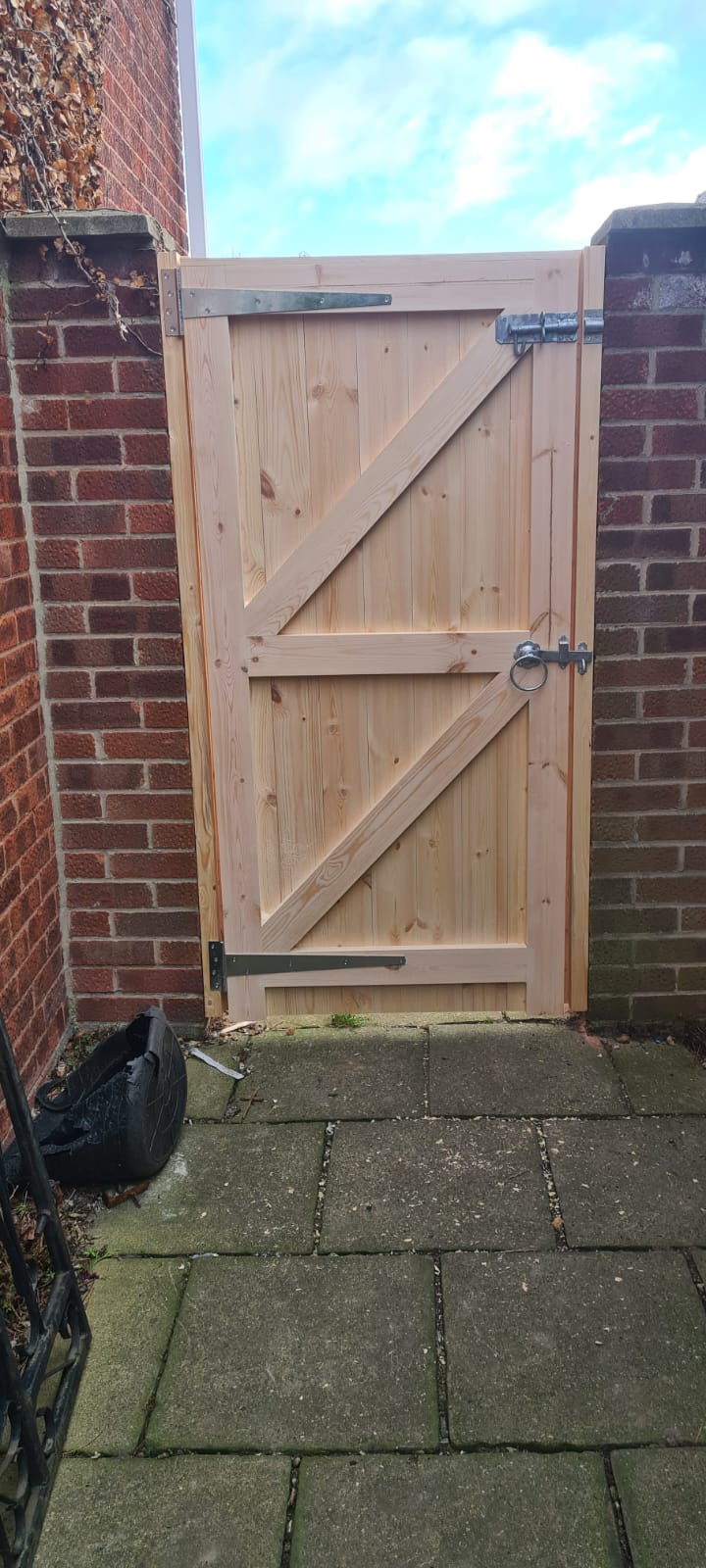
A well-made wooden gate can be let down by poor gate furniture. A hinge that is too light, a latch that does not line up, or a bolt fitted where it cannot be reached will soon turn a smart entrance into a daily annoyance. The right ironmongery helps a gate open cleanly, close securely and stay properly supported through years of British weather.
For driveway gates, garden gates and side entrances, furniture should be chosen as part of the overall build rather than as an afterthought. Gate weight, width, opening direction, post size and how the gate will be used all affect what is suitable. There is no single set of fittings that works for every gate, but a few sound principles make the choice far simpler.
What does gate furniture include?
Gate furniture is the practical metalwork that allows a gate to hang, move, latch and stay in position. It usually includes hinges and hinge fittings, a latch or handle, drop bolts, throw bolts, catches, gate stops and fixing screws or bolts. For double driveway gates, it may also include a centre stop and fittings to secure the inactive leaf.
The term is sometimes used interchangeably with gate ironmongery. Whatever it is called, it has a serious job to do. It carries the weight of the gate, controls its movement and provides the security needed for the location.
Appearance still matters. Black hardware suits many traditional timber gates and gives a strong contrast against natural timber, painted finishes or stain. Galvanised finishes have a more utilitarian look but offer excellent corrosion resistance. The best choice depends on the style of the property and the exposure of the site, not fashion alone.
Start with the gate, not the handle
The first question is how heavy and wide the gate will be. A narrow pedestrian garden gate places much less demand on its hinges than a pair of full-height driveway gates. Choosing fittings by appearance alone often leads to undersized hardware and sagging gates.
A handmade gate with proper mortice and tenon joinery is designed to hold its shape, but it still needs hinges capable of carrying its weight. Long tee hinges are a popular option for traditional wooden gates because the strap spreads the load across the face of the gate. Adjustable hook and band hinges are particularly useful where fine adjustment may be needed after fitting or as the timber settles.
For larger gates, allow for the extra leverage created by width. A wide gate does not simply need a slightly stronger hinge. Its weight is held further away from the post, increasing the strain on every fixing point. Heavy-duty hinges, substantial hooks and suitably sized gate posts are essential.
The post is part of the equation. Even excellent hinges cannot compensate for a post that is too small, poorly set or moving in soft ground. Before ordering furniture, make sure the posts are sound, plumb and appropriate for the gate size.
Match the hinge type to the opening
Most side and garden gates use tee hinges or hook and band hinges. Tee hinges can be a straightforward, attractive choice for lighter gates, while hook and band fittings offer more adjustment and are often preferred for heavier work.
Driveway gates commonly need adjustable hook and band hinges, especially where the ground slopes or the gate opening needs careful alignment. They make it possible to adjust the gate position without removing all the fittings, which is valuable during installation and future maintenance.
Think about the opening direction before ordering. A gate normally opens into the property, rather than across a pavement or road. Check for walls, parked vehicles, bins, slopes and any other obstruction. If a gate must open outwards, take extra care that it does not create a hazard or conflict with local requirements.
Latches, handles and security fittings
A latch should be easy to use from the side where people approach the gate most often. That sounds obvious, but it is worth standing at the opening and considering everyday use before drilling holes. A side gate used with shopping, wheelie bins or a pushchair needs a latch that can be operated comfortably and reliably.
A Suffolk latch is a familiar traditional choice for a timber pedestrian gate. It has a handle on each side and a simple thumb-operated action. It suits cottage-style and country properties, although it is not intended to provide high security on its own.
For a side or garden gate where security is more important, a lockable long-throw gate lock or a lockable latch provides a stronger solution. The lock case, keep and handle should be designed for exterior use and fitted accurately. A poorly aligned keep can make even a good lock difficult to operate, particularly after frost or prolonged wet weather.
Driveway gates often use a combination of fittings rather than one lock. A drop bolt can secure one leaf into the ground, while a latch, throw bolt or lock holds the meeting edges together. This arrangement keeps the gates stable when closed and reduces rattling in wind.
Avoid relying on a decorative latch for a gate that needs genuine security. Likewise, do not add a heavy locking mechanism to a light gate frame without considering the extra load and the strength of the timber around the fixing points.
Bolts, stops and catches prevent movement
The less glamorous items are often the ones that make a gate feel solid. A gate stop prevents a gate from swinging too far. A centre stop gives double gates a firm point to close against. A catch can hold an open garden gate in place while you move through it.
Drop bolts are particularly useful on double gates. One gate leaf is secured first, usually by dropping the bolt into a receiver in the ground, and the second leaf then closes against it. For a driveway finished with block paving, gravel or tarmac, plan the receiver carefully. It needs to be durable, accessible and positioned so that water and dirt do not constantly collect inside it.
For gates exposed to strong winds, open-gate catches deserve proper attention. A gate that blows shut unexpectedly can damage hinges, strike a vehicle or injure someone passing through. A suitable catch gives the open leaf a positive resting place.
Choosing a finish for British weather
Exterior ironmongery must cope with rain, condensation, frost and changing temperatures. Black powder-coated steel is widely used and can look excellent on timber gates, but scratches should be dealt with promptly before corrosion gets established. Galvanised steel is a practical option for exposed settings, while stainless steel can offer very good corrosion resistance, though its appearance may not suit every traditional gate.
Coastal and high-exposure locations deserve more careful material selection. Salt in the air, persistent damp and driving rain are unforgiving. In these situations, spending more on corrosion-resistant fittings is often cheaper than replacing rusted hardware after a few seasons.
Check that all parts of the assembly are compatible. For example, hinge straps, hooks, bolts and screws should be chosen with their finish and intended environment in mind. Mixing poor-quality fixings with quality hinges can create the weak point in an otherwise sound installation.
Fitting gate furniture accurately
Good gate furniture still depends on accurate fitting. Set the gate at the required ground clearance using packers, check it is level and establish even gaps around the opening before final tightening. A gate needs enough clearance to avoid catching on gravel, paving or swelling timber, but not so much that it looks poorly fitted or compromises privacy.
Mark hinge positions carefully and use fixings long enough to achieve a secure hold in the gate and post. Through-bolts are often a sensible choice for substantial strap hinges, as they provide a stronger mechanical fixing than short screws alone. Do not over-tighten bolts to the point that they crush timber fibres.
Fit the latch only once the gate is hanging and swinging correctly. This gives the best chance of aligning the latch with its keep. Test it repeatedly from both sides before considering the job complete.
For made-to-measure gates, it is worth discussing furniture at the ordering stage. M & D Woodcraft can help ensure that the selected hinges and fittings suit the gate style, dimensions and intended use, rather than leaving customers to guess after delivery.
A little maintenance protects the whole gate
Gate furniture does not need constant attention, but it should not be ignored. Check hinges, bolts and latches at least twice a year, particularly after winter. Tighten loose fixings, clear debris from bolt receivers and apply an appropriate lubricant to moving parts where required.
If a gate begins to drag, do not simply force the latch into position. Investigate the cause. The issue may be a settling post, a loose hinge fixing, worn hardware or a change in ground level. Addressing it early protects both the gate and its ironmongery.
Choose furniture that is properly sized, suited to the environment and fitted with care. It is a modest part of the overall purchase, yet it determines how satisfying a wooden gate is to use every single day.


Comments