


How to Stop Gate Sagging Properly
- Mark C
- Jul 7
- 6 min read
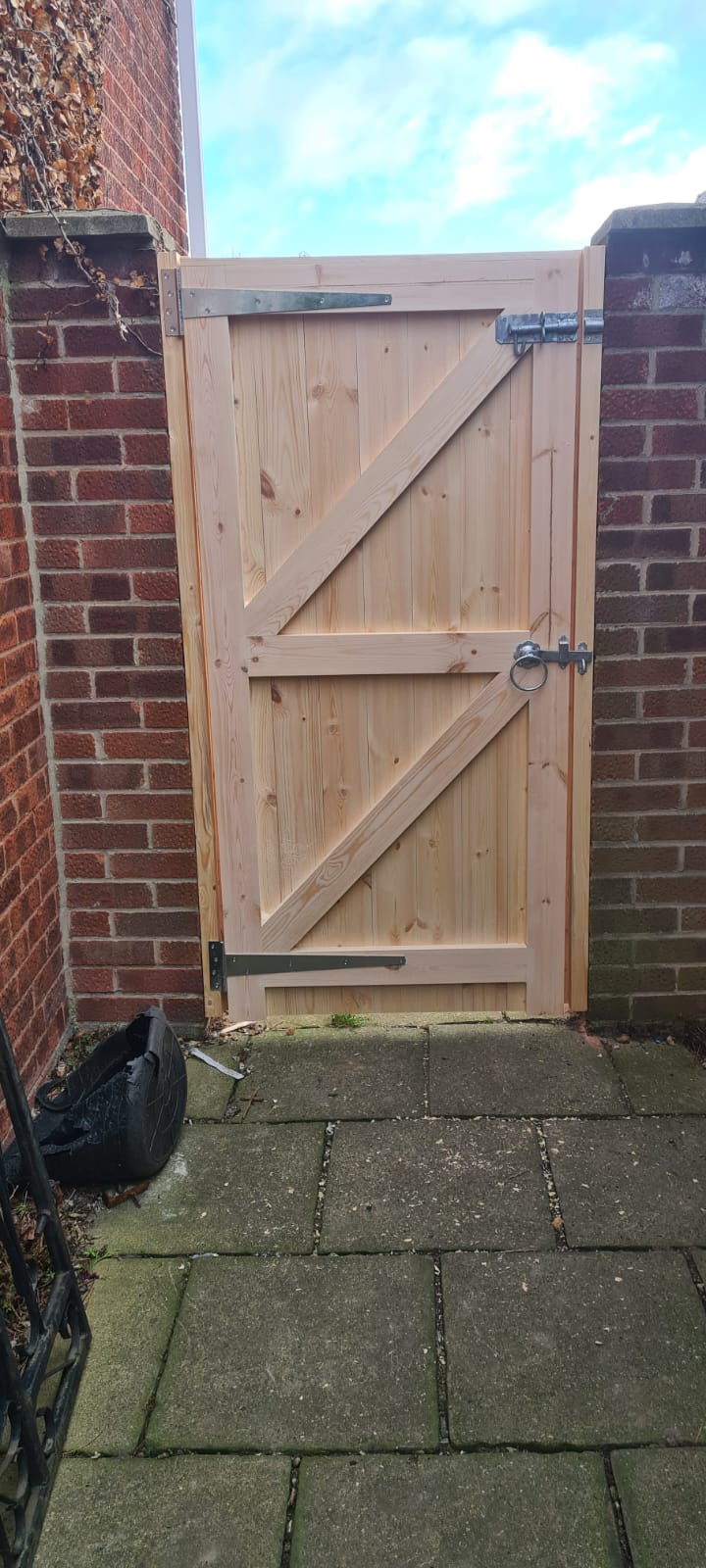
A gate that drops even slightly soon tells on itself. It starts catching on the ground, leaves uneven gaps, puts strain on the hinges and never quite shuts as cleanly as it should. If you are looking at how to stop gate sagging, the real answer is not one quick fix but getting three things right from the start - the gate’s construction, the posts and the way it is hung.
With wooden gates especially, sagging is usually a sign that weight is not being carried properly. Sometimes the issue is a loose hinge or a post that has moved. In other cases, the gate itself was too lightly built for its size, made from unstable timber, or hung without enough support for the opening. The right fix depends on what has gone wrong.
Why wooden gates start to sag
Most sagging comes from movement somewhere in the system. People often blame the hinges first, but hinges are only one part of it. A heavy gate hung on poor posts will still drop. Equally, strong posts will not save a gate that has been built from timber prone to twisting or assembled with weak joints.
Weight is the obvious factor, but width matters just as much. The wider the gate, the more leverage it places on the hanging side. That is why a broad driveway gate leaf needs stronger joinery and more considered ironmongery than a modest side gate. If the frame is not designed to stay square under load, the top latch side gradually falls and the gate starts to rack out of shape.
Moisture also plays a part. Timber is a natural material, and outdoor conditions in the UK are rarely kind. Repeated wetting and drying can make lower-grade timber move more than it should. If that movement is combined with undersized framing or basic fixings, the gate loses alignment over time.
How to stop gate sagging at the source
The best way to stop a gate sagging is to prevent the strain that causes it. That starts before installation, with the gate itself.
A well-made wooden gate should be built to resist racking. Mortice and tenon joinery remains one of the soundest ways to do this because it locks the frame together far more effectively than simple butt joints or light bracing fixed with screws alone. When that joinery is combined with proper exterior-grade adhesives and hardwood dowels, the frame is far better equipped to hold its shape under daily use.
Timber choice matters too. This is where there is a real difference between mass-produced gates and properly made bespoke ones. Pressure-treated softwood has its place, but it can be less stable than engineered timber construction. Engineered timber, when made correctly, is designed to reduce the natural movement that often leads to twisting, bowing and eventual sagging. For homeowners who want a gate to keep its line and look smart for longer, that stability is not a small detail.
Check the posts before blaming the gate
If your gate has only recently started to drop, inspect the posts first. A gate is only as reliable as what it hangs from.
Timber posts can shift if they were not set deeply enough, if the concrete footing is inadequate or if the ground has moved with frost and moisture. You may notice the hinge post leaning slightly inward under the gate’s weight. It does not take much movement to throw the whole gate out.
For driveway gates and heavier garden gates, post size should be matched to both the gate’s width and weight. This is one area where trying to save money often costs more later. An undersized post might look acceptable at installation, then gradually fail under regular use.
If the post has moved, adjusting the hinges alone is unlikely to be a lasting repair. The post may need resetting or replacing. It is a more involved job, but it addresses the cause rather than masking the symptom.
Hinge choice makes a bigger difference than many realise
When people ask how to stop gate sagging, they are often dealing with hinges that are either too light, fitted in the wrong position or simply not adjusted correctly.
A heavy wooden gate needs hinges that can carry the load over time, not just on the day it is fitted. Hook and band hinges are commonly used for good reason, as they spread the weight across a larger section of the gate. Adjustable hinges can also be useful, particularly where minor future correction may be needed.
Placement matters as much as strength. Hinges should be positioned to support the structure of the gate properly, not just attached where convenient. On taller or heavier gates, a third hinge can help distribute weight more evenly. That said, adding more hinges is not a cure-all. If the gate frame is weak or the post is moving, extra ironmongery will only do so much.
Fixings are another overlooked point. Bolts and coach screws need to be suitable for external use and secure enough for the weight involved. Loose or underspecified fixings allow gradual movement that becomes sagging later on.
How to stop gate sagging on an existing gate
If the gate is already dropping, start with a straightforward inspection. Open and close it slowly and watch where it moves. Check whether the top latch side has fallen, whether the gate is scraping at the bottom, and whether the hinge side post appears upright.
Look closely at the hinges for wear, loose fixings or signs that the screws are pulling from the timber. Tightening or replacing worn ironmongery can solve minor sagging if caught early. If you have adjustable hinges, you may be able to lift the gate back into line without major work.
Next, examine the frame. If the gate has visibly twisted or racked out of square, simple adjustment may not be enough. Some homeowners add a repair brace, and this can help in certain cases, particularly on lighter gates. But it depends on the gate’s original construction. A brace added to a poorly built frame is often only a temporary measure.
If the gate is old, soft in places, or made from timber that has moved badly, replacement may be the more sensible option. There is little value in repeatedly repairing a gate that was not built strongly enough for the opening in the first place.
Installation errors that often lead to sagging
A well-made gate can still fail early if it is badly fitted. This is one of the more frustrating causes because the gate may be sound, but the installation lets it down.
One common problem is insufficient clearance. Timber gates need sensible allowance for seasonal movement and for proper swing over the ground level. If the gate is hung too tight, normal movement can create drag, which adds strain to the hinges and frame.
Another issue is poor alignment between posts. If posts are not set correctly, the hinges may be working against the gate from the beginning. The gate might appear acceptable at first, then settle into a sag as the weight starts pulling on imperfect fixings and angles.
Ground levels should also be considered properly. A gate that regularly catches on a rising drive or uneven path is under constant stress. That repeated contact can gradually pull it out of line.
When a bespoke gate is the better long-term fix
Not every opening suits an off-the-shelf gate. Wider spans, unusual heights and sloping access points often need a gate made specifically for the job. This is where bespoke manufacture earns its keep.
A gate built to the correct size, from stable engineered timber, with proper mortice and tenon joinery and suitable ironmongery, stands a far better chance of remaining square and serviceable over the years. It is not simply about appearance, though that matters to most homeowners. It is about building strength into the gate from the workshop stage rather than trying to correct weakness after installation.
For households investing in driveway or garden gates, this usually works out better value than replacing a cheaper sagging gate a few seasons later. M & D Woodcraft has long focused on this practical side of craftsmanship - building timber gates properly so they do the everyday job without the common frustrations that come from lighter, less stable alternatives.
A few maintenance habits that help
Even a well-built gate benefits from occasional checks. Timber gates live outdoors and take the full force of weather, use and changing seasons.
Check hinge fixings periodically, especially after winter. Keep protective finishes maintained in line with the timber and product used. Watch for standing water around posts, as excess moisture at ground level can shorten their life and affect stability. If the gate starts sticking, do not leave it to worsen. Small corrections made early are usually simpler and cheaper than larger repairs later.
A gate should feel solid and swing with purpose. When it does, that is rarely luck. It is the result of sound timber, proper joinery, suitable hardware and a fitting job done with care. Get those right, and sagging becomes far less likely to trouble you.


Comments