

Why Choose Made to Measure Garden Gates?
- Mark C
- 5 days ago
- 6 min read
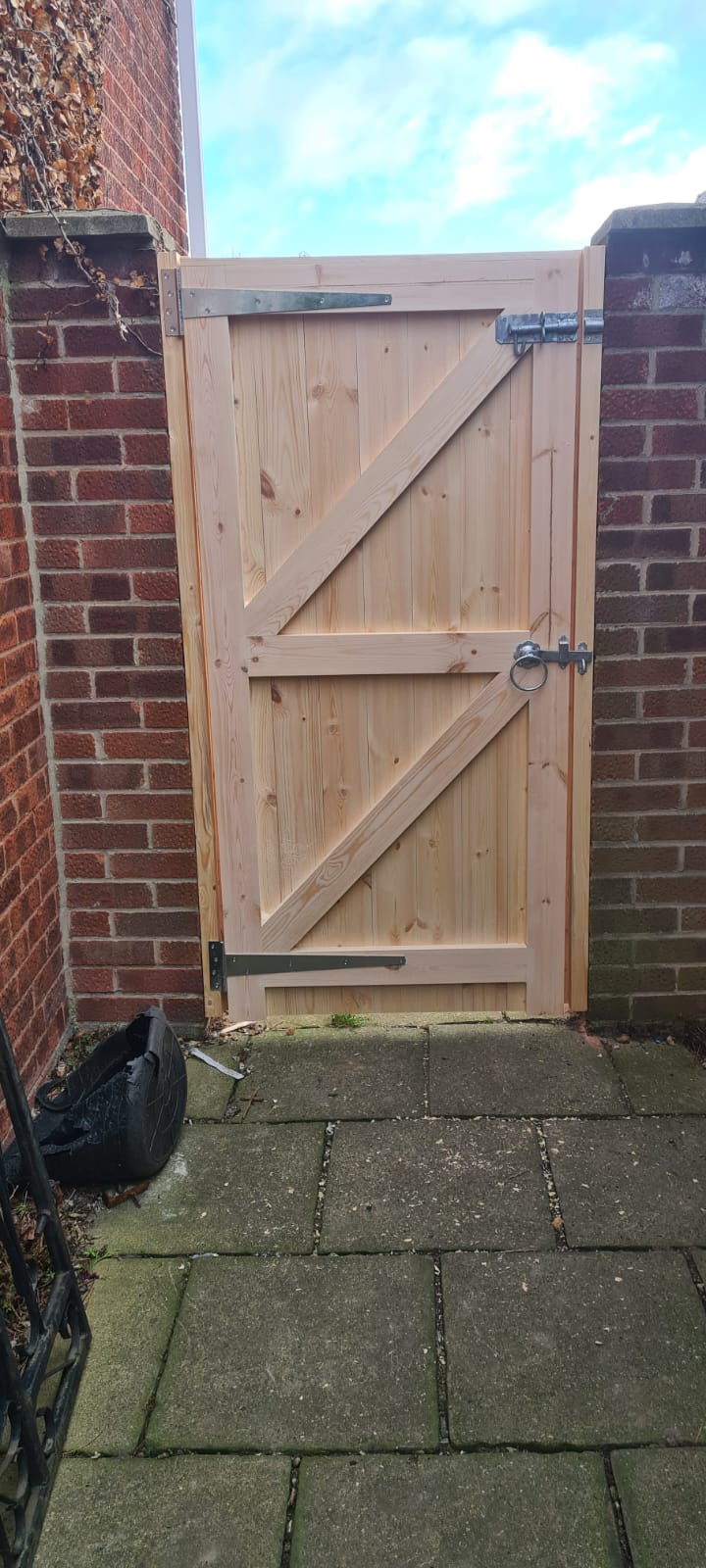
A garden gate that is 20mm too narrow does not sound like much on paper. In practice, it can leave awkward gaps, spoil the look of the entrance and make fitting far more trouble than it needs to be. That is why made to measure garden gates are such a sensible choice for homeowners who want a gate that looks right, works properly and lasts.
For many properties, standard sizes are simply a compromise. Openings in older homes are rarely exact, posts may be slightly out, and not every path, side entrance or rear access point suits an off-the-shelf gate. When the gate is built to the opening rather than the other way round, you get a neater finish and a better result from day one.
Why made to measure garden gates are worth it
The main advantage is obvious - the fit. A gate made to your exact opening avoids the common problems that come with mass-produced sizes, such as excessive trimming, weak packing pieces or large uneven gaps at the sides. A proper fit also helps with privacy, security and appearance.
There is also a structural benefit. When a gate is designed around its finished size, the maker can build it with the correct proportions, rail spacing and bracing for that particular width and height. That matters because a well-made gate is not just a panel on hinges. It is a working external joinery product that has to cope with regular use and British weather.
Then there is the look of the thing. A garden gate is often one of the first details people see as they approach the side of a house or enter a rear garden. If it looks undersized, poorly aligned or crudely altered to fit, it brings down the whole entrance. A gate built to measure tends to sit more naturally within the space and gives the property a more finished appearance.
What makes a good made to measure garden gate?
Not all bespoke gates are built to the same standard. Size alone does not make a gate good. What really matters is the way it is made and the materials used.
Strong joinery should be near the top of the list. Mortice and tenon construction remains one of the best methods for wooden gates because it creates a solid mechanical joint rather than relying on screws alone. When this is paired with hardwood dowels and a proper exterior-grade adhesive such as D4 glue, the gate stands a far better chance of holding its shape over time.
Timber choice matters just as much. Many homeowners assume hardwood is the only answer if they want durability, but that is not always the most practical or cost-effective route. A well-manufactured gate in engineered timber can offer excellent stability and longevity at a far more manageable price. The key point is not just the species of timber, but how it has been selected, prepared and assembled.
This is where there is a real difference between workshop-made gates and cheaper retail options. A handmade gate produced by a specialist will usually be built with the final application in mind, including span, weight and everyday use. A mass-market gate is more likely to be built to hit a price point.
Getting the measurements right
If you are ordering made to measure garden gates, accurate measuring is the part that deserves your attention. A well-built gate can only fit the space it is given.
For a gap between existing posts or walls, the usual starting point is to measure the width at the top, middle and bottom, then work from the smallest figure. Openings are not always perfectly square, especially on older properties. You should also measure the height and think about ground clearance, particularly if the gate opens over a path, gravel or a slope.
It is worth checking whether you are measuring for the gate only or for the full opening including hinge allowances and latch gap. This is where expert guidance helps. A specialist maker will normally explain exactly what dimensions are needed and can advise on the fitting tolerances required.
If new posts are part of the job, the measurements need a bit more thought. Post size, hinge position and the finished opening all affect the final gate width. This is often where people come unstuck when trying to order a standard gate and make it work afterwards.
Choosing a style that suits the property
A made-to-measure gate should solve a practical problem, but it also needs to look at home. The right design depends on the level of privacy you want, the character of the property and how exposed the entrance is.
For side access, many homeowners prefer a taller boarded gate for privacy and security. Closeboard and tongue and groove styles are both popular for that reason. If the gate is more decorative or used within the garden rather than on a boundary, an open pale or framed design can feel lighter and more in keeping with planting and softer landscaping.
Top shape makes a difference too. Flat top gates have a straightforward, practical look. Arched or curved tops can soften the entrance and suit more traditional homes. There is no single right answer here. It depends on whether the gate is meant to blend in quietly or stand out a little.
One of the strengths of bespoke manufacturing is that you are not forced into standard proportions. A narrow opening can still have a gate that looks balanced, and a taller gate can be designed so it does not appear heavy or clumsy.
The value of engineered timber construction
For external gates, movement in the timber is always a concern. Wood expands and contracts with moisture and temperature changes, and that movement can affect performance if the gate is not properly built.
Engineered timber construction helps reduce that risk. By using carefully prepared sections rather than relying on a single piece of pressure-treated timber, the finished gate tends to be more stable. That can mean less twisting, less warping and more dependable day-to-day use over the long term.
For homeowners, this matters because stability affects everything else. A gate that keeps its shape is easier on hinges, closes more cleanly and generally gives fewer problems as the seasons change. It is also a sensible middle ground for buyers who want something stronger and more refined than a budget softwood gate, without stepping up to the cost of hardwood.
Do not overlook posts, ironmongery and finish
Even the best gate will only perform as well as the parts around it. Posts need to be substantial enough for the gate size and weight, and ironmongery should be suited to external use rather than treated as an afterthought.
Hinges, latches, ring handles, drop bolts and fixings all contribute to how the gate feels in use. Cheap hardware can quickly spoil a good gate. On the other hand, properly chosen ironmongery gives smoother operation and a more secure fixing.
Finishing is another area where it pays to think ahead. Some buyers want a gate supplied ready for painting or staining, while others prefer a primed option to save time on site. Oils and protective coatings help preserve the timber and keep the gate looking smart, but they do need maintenance. No wooden gate is completely maintenance-free, and anyone telling you otherwise is overselling it.
Why bespoke often saves trouble later
It is easy to compare prices and assume a standard gate is the cheaper option. Sometimes it is, but only if it actually fits and performs well. Once you add trimming, packing, extra fitting time, replacement hardware or the cost of correcting a poor result, the gap can narrow very quickly.
A made-to-order gate is more likely to arrive ready for the job it was intended to do. That means less compromise during installation and a better finish once it is in place. For many customers, especially those dealing with awkward openings or wanting a gate that matches other timberwork, that is money well spent.
At M & D Woodcraft Ltd, the appeal for many homeowners is straightforward. They want a proper wooden gate, built to the size they need, using sound joinery and sensible materials, from people who understand gates rather than simply selling them.
If you are replacing a tired side gate or finishing a new garden layout, take the time to choose something that is built for your opening, not forced into it. A gate should feel like part of the property from the moment it is fitted, and the right one usually starts with the right measurements.


Comments