

Wooden Gate Kits UK - What to Look For
- Mark C
- Jun 10
- 6 min read
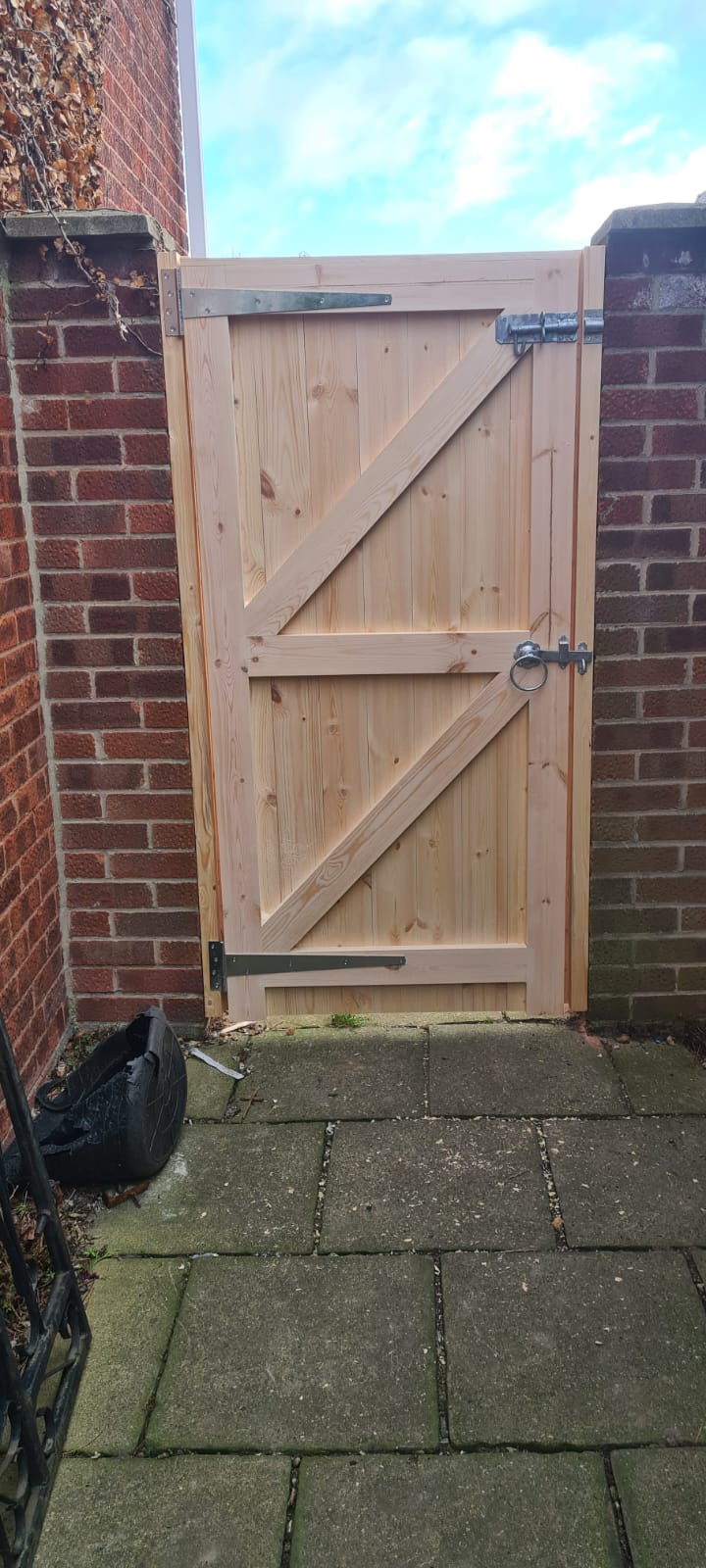
If you are comparing wooden gate kits UK suppliers offer, the biggest difference is rarely the photograph. It is what sits behind the face of the gate - the timber choice, the joinery, the sizing, and whether the kit is actually put together with long-term use in mind. A gate can look tidy on day one and still give you trouble once it has seen a wet winter, strong sun, and regular daily use.
For most homeowners, the aim is simple. You want a gate that looks right, fits properly, and does not start twisting, dropping or loosening after a short time. That is where a well-made wooden gate kit earns its keep. The right kit should take some of the guesswork out of buying, while still giving you proper quality rather than a flat-pack compromise.
Why wooden gate kits UK buyers choose are not all the same
The term gate kit covers a wide range. In some cases, it means a basic gate and a few fittings boxed together. In others, it means a more complete package with matching posts, ironmongery, fixings and treatment options chosen to suit the gate style and size. The difference matters because gates are only as reliable as the full set-up around them.
A heavy driveway gate, for example, needs more than decent timber. It needs the correct posts, hinges strong enough for the weight, and a frame built to stay square. A smaller garden gate may be less demanding, but poor construction still shows up quickly if the rails are weak or the timber is unstable.
This is why buying on price alone can be false economy. A cheaper gate kit may look similar online, yet cost more later in adjustments, replacement hardware, or an early re-buy. A better-made kit usually saves hassle because the components have been selected to work together rather than simply bundled together.
Start with the timber, not the finish
Many buyers focus first on style, which is understandable. You want a gate that suits the property. But the timber deserves just as much attention because it affects strength, stability and lifespan.
Engineered timber has clear advantages for external gates. Properly made, it is designed to reduce movement compared with standard pressure-treated softwood, which can be more prone to twisting and warping as moisture levels change. That matters in the UK, where gates have to cope with damp spells, frosts and sudden dry periods often within the same season.
Hardwood is sometimes seen as the premium option by default, but it is not always the most practical choice for every household. It comes at a higher price, and for many properties that extra cost is hard to justify if a well-built engineered timber gate offers excellent performance and appearance for less. It depends on your budget, the look you want, and how much ongoing maintenance you are prepared to do.
The key point is this: good material selection is about suitability, not labels. A gate built from carefully chosen engineered timber can give you a very strong balance of durability, stability and value.
Joinery tells you a lot about quality
A wooden gate is not just a few boards fixed together. The way the frame is joined makes a real difference once the gate is hung and under load every day.
Mortice and tenon construction remains one of the strongest methods for timber gates because it creates a proper mechanical joint rather than relying on screws alone. Add exterior-grade adhesive and hardwood dowels, and the frame has a far better chance of staying firm over time. That is the sort of detail many homeowners do not see at first, yet it is often the reason one gate lasts and another starts to move.
This is especially important with wider openings. The larger the gate, the more stress goes through the frame, hinges and posts. If the joinery is poor, that weakness usually appears sooner rather than later. A gate that drops, rubs or pulls out of square is rarely a mystery - it is usually the result of underbuilt construction.
Sizing matters more than people expect
One of the main reasons people look beyond DIY sheds is size. Standard widths and heights do not suit every opening, especially on older properties where brickwork, walls and levels are rarely perfect.
A made-to-order gate kit is often the better route because it allows the gate to suit the opening rather than forcing the opening to suit the gate. That can make installation cleaner, neater and less frustrating. It also helps the finished result look like it belongs to the property instead of looking added as an afterthought.
There is also a practical point here. The correct gap allowance, hinge position and post specification all depend on the true opening size and ground conditions. If you are buying a gate kit for a sloping drive, uneven garden path or awkward access point, proper sizing advice is just as valuable as the gate itself.
Do not overlook posts and ironmongery
A strong gate fitted to poor posts is asking for trouble. The same goes for undersized hinges or light-duty latches on a heavy gate. The timber may get the attention, but the supporting parts carry the working load.
Posts need to match the gate size and weight. Larger driveway gates need substantial support, and there is no benefit in buying a well-made gate if the post movement causes the whole set-up to shift. Ironmongery should be chosen with the gate style, width and use in mind. A side gate opened a few times a day has different demands from a pair of entrance gates used constantly.
This is one of the advantages of buying from a specialist rather than a general retailer. You are more likely to get components that suit the job, not simply the cheapest fittings to complete a package.
Finishing, treatment and maintenance
Even a well-made timber gate needs sensible care. External woodwork faces rain, sun, dirt and seasonal movement, so protection matters from the start.
Some buyers prefer a primed gate ready for painting, while others want an oiled finish that shows more of the grain. Neither is automatically right or wrong. Painted finishes can suit period properties or match existing joinery, while oils often appeal if you want a more natural timber look. What matters is using the correct product and keeping up with maintenance intervals.
No supplier should pretend timber is maintenance-free. A good wooden gate will still benefit from inspection, re-treatment when needed, and occasional hardware checks. That said, a properly built gate should reward that maintenance. You should be preserving quality, not constantly trying to rescue poor manufacture.
When a gate kit is the right choice
For many homeowners, a gate kit is a sensible middle ground. It gives you a coordinated purchase with the main essentials considered together, while still allowing flexibility on fitting and finish. If you already have a trusted installer, or you are confident with practical work yourself, a properly specified kit can make the whole job far more straightforward.
It is particularly useful when you want to avoid chasing parts from different suppliers and hoping they all match. Posts, hinges, latches and gate dimensions all need to work together. Buying them as part of a thought-through package reduces the chance of mismatch.
Where things are more complicated - unusual widths, heavy gates, exposed locations or non-standard ground levels - speaking to a manufacturer with real workshop experience is often the better route. This is where family-run specialists such as M & D Woodcraft stand apart, because the advice comes from people who understand how a gate is made and how it behaves once installed.
What to ask before you buy wooden gate kits UK wide
Before placing an order, ask how the gate is constructed, what timber is used, whether the size is made to order, and which fittings are included. Ask what treatment options are available and whether the posts are suitable for the weight and span of the gate. These are not awkward questions. They are the questions that tell you whether you are buying a proper gate or just buying a picture.
It is also worth asking about lead times and delivery arrangements, especially for bespoke sizes. Handmade products take longer than off-the-shelf stock, but that usually reflects the fact that they are being built for your opening rather than pulled from a warehouse rack.
A good wooden gate kit should feel like a considered purchase, not a gamble. If the construction is sound, the timber is well chosen, and the full kit is matched to the job, you are far more likely to end up with a gate that adds security and kerb appeal for years rather than months.
The best choice is usually not the flashiest or the cheapest. It is the one built honestly, sized properly, and made by people who still care how it performs once it leaves the workshop.


Comments