

Choosing Bespoke Wooden Driveway Gates
- Mark C
- 6 days ago
- 6 min read
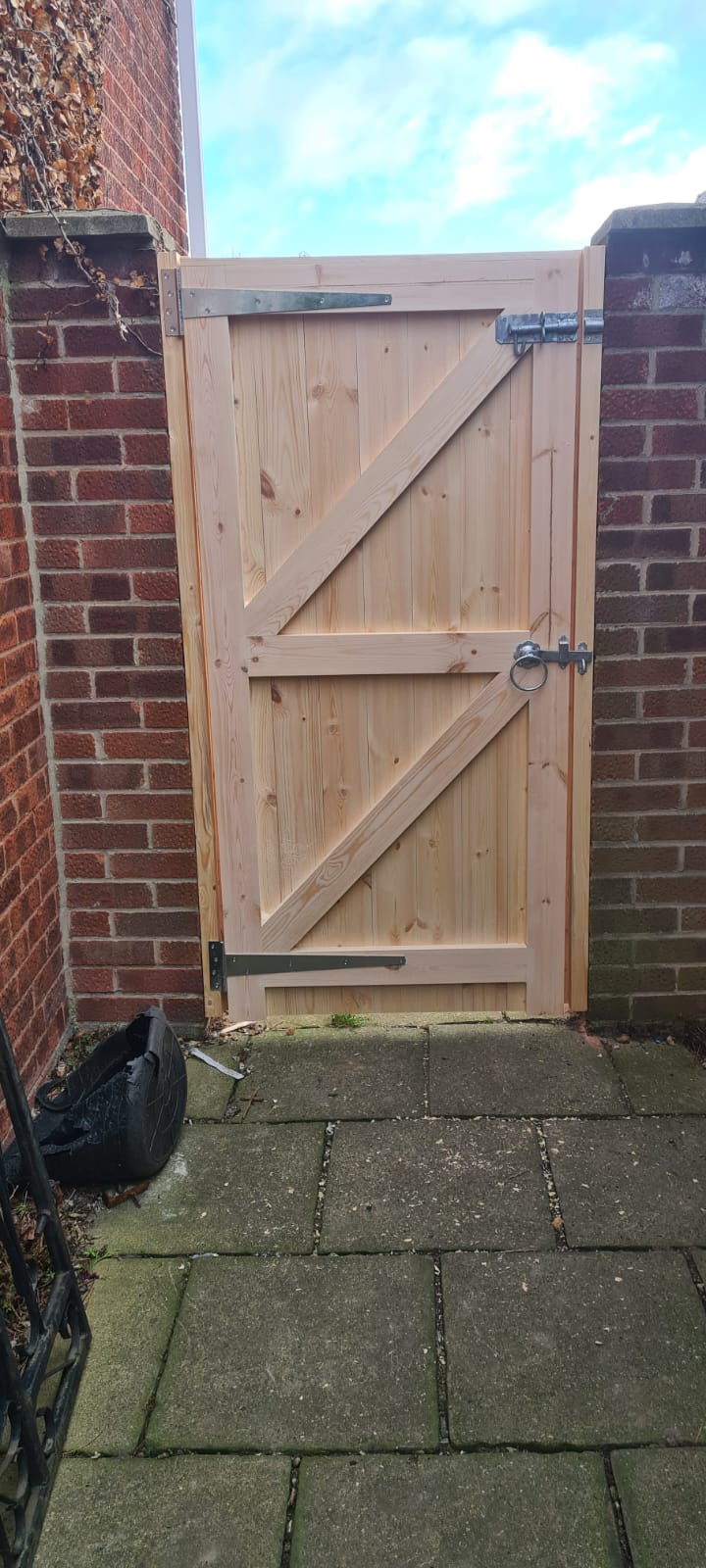
A driveway gate is one of the first things people notice about a property, and when it is poorly sized, lightly built or made from the wrong timber, it shows. Bespoke wooden driveway gates solve that problem properly. They are made to suit the opening, the style of the house and the practical demands of daily use, rather than forcing you to compromise with a standard off-the-shelf option.
For many homeowners, the appeal starts with appearance. Timber has warmth and character that metal or composite often struggle to match, especially on period homes, rural properties and family houses where a softer, more traditional finish feels right. But good gates are not only about kerb appeal. They need to hang correctly, stay stable through the seasons and stand up to the wear that comes from regular opening, closing and exposure to British weather.
Why bespoke wooden driveway gates are worth considering
The main advantage of going bespoke is simple - the gates are made for your opening, not the other way round. That matters more than many people realise. Driveway entrances are rarely perfectly standard, and small differences in width, slope, hinge clearance or post position can make a big difference to how well a gate fits and performs.
With bespoke wooden driveway gates, you also have more control over the final look. That may mean choosing a taller design for added privacy, a more open style to keep the front of the property feeling welcoming, or a particular top line that suits the house. A made-to-order gate should feel like part of the property rather than an afterthought fitted because it was available in the nearest size.
There is also the issue of longevity. A properly built gate with sound joinery and stable timber will usually give far better service than a cheaper gate built down to a price. That does not mean the most expensive option is always the best one. It means the construction details matter.
Timber quality matters more than the finish alone
One of the biggest misunderstandings in the gate market is that all timber gates are broadly the same if they look similar in a photograph. In practice, the timber choice has a huge effect on stability, strength and lifespan.
Traditional softwood driveway gates can be a good choice when they are well made, but not all softwood is equal. Pressure-treated timber is common and can be suitable in some applications, yet it is not always the most stable material for larger gates. Timber movement is one of the main causes of twisting, warping and poor alignment over time.
That is why engineered timber construction has become so important for quality wooden gates. By building from engineered components rather than relying on single sections of pressure-treated timber, it is possible to achieve better stability while keeping the cost more sensible than hardwood. For many homeowners, that balance is exactly what they need - stronger and more reliable than basic treated timber, without stepping into the far higher cost of hardwood gates.
The finish still matters, of course. Primers, oils and maintenance treatments all help protect the timber and keep it looking its best. But no finish can compensate for weak construction or unstable material. The foundation has to be right first.
The joinery tells you a lot about a gate
When comparing gates, the joinery is often where real quality shows. On a website, two gates may look much the same. In use, they can be very different.
Mortice and tenon joints remain one of the most dependable ways to build a strong timber gate. They have been used for generations for a reason - they create a proper mechanical joint rather than relying on screws alone to hold the frame together. When that joinery is combined with exterior-grade D4 glue and hardwood dowels, the result is a gate built to cope with outdoor conditions and repeated use.
This matters especially on driveway gates, which are larger and heavier than many garden gates. The bigger the gate, the more strain goes through the frame, hinges and posts. If the construction is light, movement and sagging are far more likely. A sound frame gives you a far better starting point for long-term performance.
Getting the size right
Made-to-measure gates are not only about awkward openings, though they are ideal for those. They also allow you to think properly about how the gate will be used.
A family home may need enough width for cars to pass through comfortably without awkward manoeuvring. A property set back from the road may need a design that works well with automation. Some customers want extra height for privacy and security, while others prefer a lower or more open design to preserve visibility at the front boundary.
Then there are practical details such as ground clearance, rising driveways and the weight the posts will need to support. These are not glamorous decisions, but they are the ones that make the difference between gates that work smoothly and gates that become frustrating. Bespoke manufacturing allows those details to be considered from the start rather than patched around later.
Style should suit the property, not follow a trend
The best wooden driveway gates usually look as though they belong. That may mean a simple ledged and braced style for a cottage setting, a solid boarded gate for greater privacy, or a framed design that gives a more formal entrance to a modern detached home.
There is no single right choice. A fully boarded gate can offer excellent privacy and a stronger sense of enclosure, but it can also feel heavier visually and catch more wind. A more open design can look lighter and more inviting, though it naturally offers less screening. The right answer depends on the property, the location and what matters most to the homeowner.
This is where specialist advice is useful. A good gate maker will not only talk about appearance but also about practicality. If a driveway is exposed, if the opening is unusually wide, or if the gates are likely to be automated, some designs will be more suitable than others.
Posts, ironmongery and installation all play a part
Even the best gate can be let down by weak posts or unsuitable ironmongery. Gates are a working part of the property, not just a decorative panel. Their performance depends on the whole setup.
Posts must be substantial enough for the weight and width of the gates. Hinges, latches, bolts and other ironmongery need to match the gate design and intended use. If the gates are to be automated, that adds another layer of planning. None of this is especially complicated when handled properly, but it does need to be considered as part of the purchase rather than as an afterthought.
That is one reason many homeowners prefer buying from a specialist manufacturer rather than a general retailer. It is easier to source a complete, compatible setup when the business understands gates as a system rather than as a single product line.
What long-term value really looks like
Price matters, and most sensible buyers are not looking to overspend for the sake of it. The better question is what gives value over time.
Cheap gates can seem attractive at first, particularly online, but replacement costs, fitting issues and shorter lifespan often make them a false economy. Hardwood gates can be excellent, but they are not always necessary for every property or budget. For many households, a well-built engineered timber gate offers the strongest middle ground - traditional appearance, dependable construction and more sensible cost.
That is where an experienced workshop approach still stands out. A family-run manufacturer with proper trade knowledge is more likely to focus on how the gate is built, how it will perform and whether it is right for the opening. M & D Woodcraft Ltd has built its reputation around exactly that sort of straightforward craftsmanship, producing handmade gates with the sort of construction details that homeowners may not always see immediately but will certainly appreciate over the years.
Bespoke wooden driveway gates need sensible care
No timber gate is maintenance-free, and any honest manufacturer should say so. British weather is hard on exterior joinery. Rain, sun, frost and general exposure all take their toll.
The good news is that routine care is usually straightforward. Keeping the finish maintained, checking ironmongery and dealing with small issues before they become large ones will help extend the life of the gates. A quality gate should be built to last, but like any timber product outdoors, it benefits from sensible upkeep.
That should not put buyers off. It is simply part of owning a natural material. Most people who choose wood do so because they value its appearance and character, and that comes with a bit of ongoing care in return.
Choosing driveway gates is not only about closing an entrance. It is about giving the front of your home the right balance of security, privacy and craftsmanship. If the gates are well designed, properly built and made for the space, they will look right and work hard for years to come.


Comments