

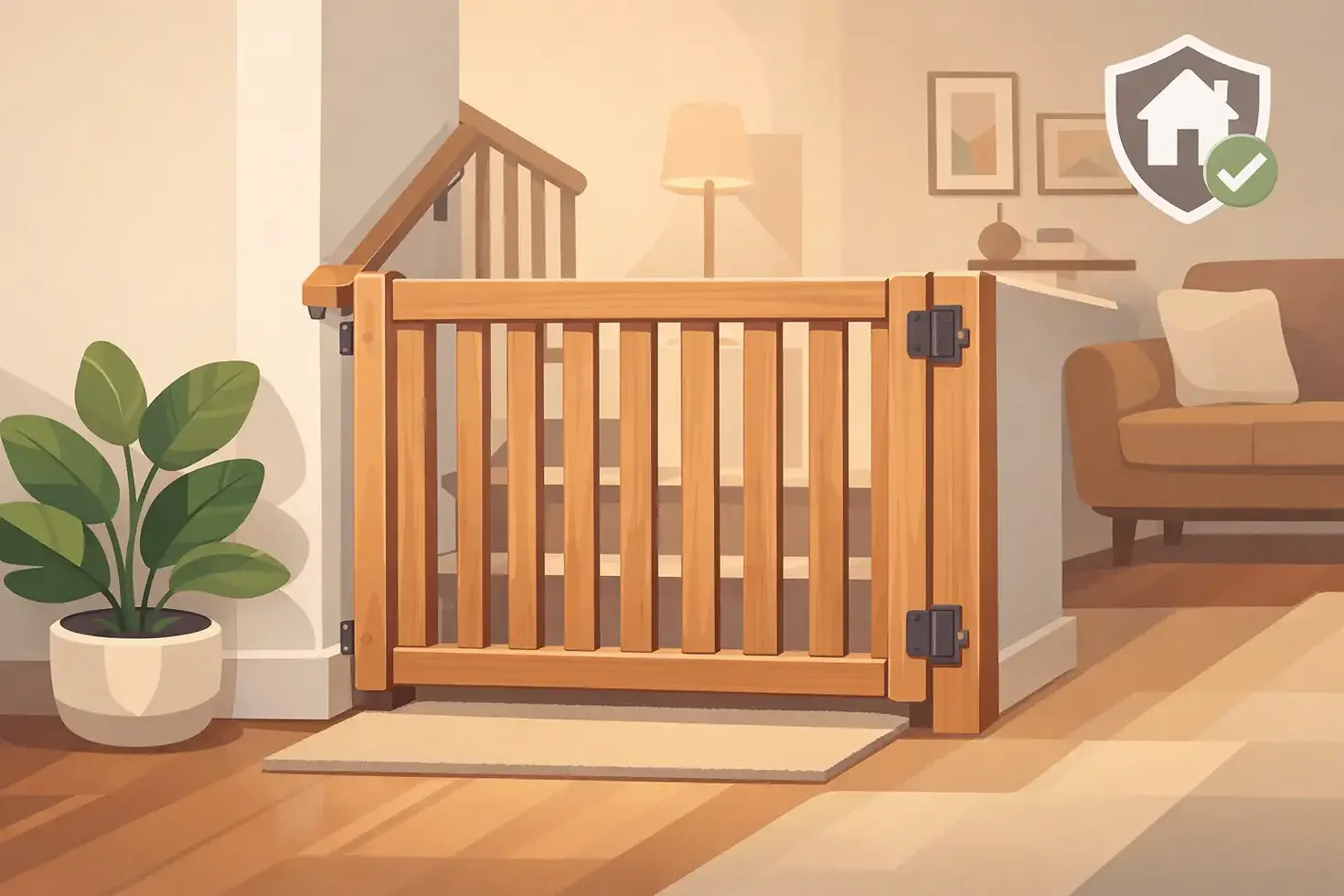
Wooden Stair Gate Handmade for Safer Homes
- Mark C
- 2 days ago
- 6 min read
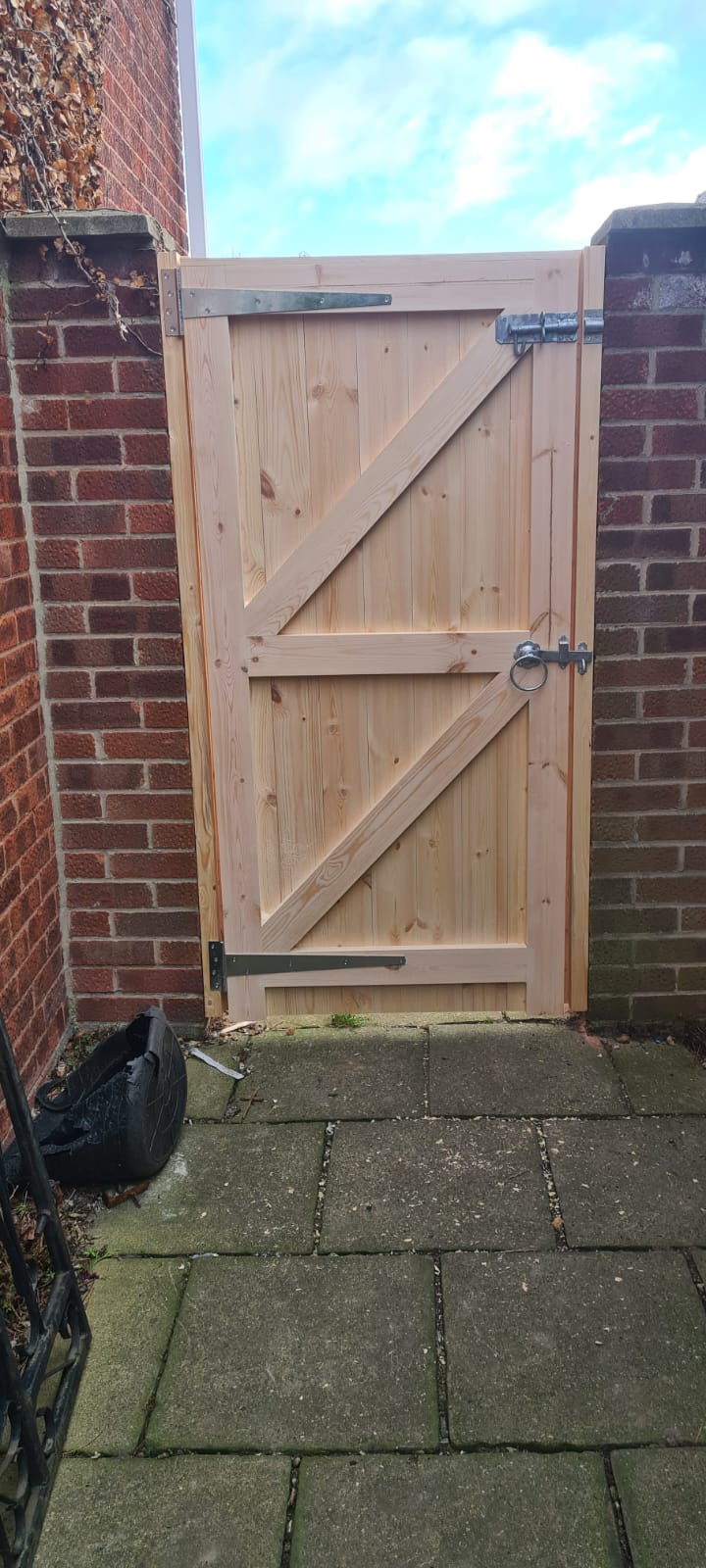
A stair gate usually gets noticed only when it does not fit properly. It rattles on the wall, catches on the banister, leaves awkward gaps, or looks like an afterthought in a hallway you have spent good money putting right. That is why a wooden stair gate handmade to suit the space makes such a difference. It is not simply about keeping a child or dog away from the stairs. It is about having something safe, solid and properly built for the way your home is actually laid out.
Why a wooden stair gate handmade is worth considering
Many off-the-shelf stair gates are designed around standard openings and quick assembly. That works in some homes, but plenty of British properties are anything but standard. Older houses often have uneven walls, unusual skirting, narrow landings or banisters that do not suit a boxed product from a chain retailer. Even in newer homes, the opening width may fall between standard sizes, which leaves buyers trying to adapt the space around the gate rather than buying a gate that suits the space.
A handmade wooden stair gate solves that problem at the start. The gate can be made to the width and height required, and the overall look can sit more naturally with the rest of the property. If your staircase already has timber features, a wooden gate tends to look far more at home than plastic or thin metal alternatives.
There is also the matter of everyday use. A stair gate gets opened and closed repeatedly, often one-handed and in a hurry. That puts pressure on hinges, joints and fixing points. If the gate is built with care, the difference shows over time. It hangs better, closes more cleanly and feels like part of the house rather than a temporary barrier.
What quality really looks like in a stair gate
Not all timber gates are built to the same standard. From a distance, many products can look similar. The real difference is in the construction.
A well-made stair gate should use proper joinery rather than relying on basic screw-fixed assembly alone. Mortice and tenon joints are a strong example of traditional construction that still matters for modern use. They help the frame stay square and resist movement under regular stress. When that joinery is paired with exterior-grade adhesive and hardwood dowels where needed, you are getting a product built with long-term stability in mind, not just a gate made to get through a sales photo.
Material choice matters just as much. Engineered timber offers a practical advantage because it is designed for greater stability than standard pressure-treated timber. That means less tendency to twist, cup or move as conditions change. For a stair gate, where alignment and dependable closing are important, that is a real benefit. It also gives customers a sensible middle ground - stronger and more stable than lower-grade timber, while remaining more affordable than hardwood.
Bespoke sizing makes life easier
One of the main reasons homeowners look for a wooden stair gate handmade product is simple: standard sizes do not always work.
You may have a narrow staircase in a period terrace, a wider opening in a renovated property, or a landing with trim and skirting that creates fitting complications. In those situations, forcing a generic gate into place can create weak fixing points or leave an untidy finish. Neither is ideal when safety is the main reason for buying.
Made-to-order sizing allows the gate to be built around the opening, instead of the opening being awkwardly adapted around the gate. That tends to produce a neater result and, just as importantly, a more dependable one. If the gate fits properly from the start, installation is more straightforward and the finished setup is usually more secure.
For families, that matters. A gate that feels solid every time you use it gives a level of reassurance that flimsy products rarely do. For homeowners concerned about appearance, the visual difference is equally clear. A bespoke timber gate looks intentional.
Safety matters, but so does the setting
A stair gate is bought for safety first, but that does not mean appearance should be ignored. It sits in one of the most visible parts of the home. In many properties it is the first thing seen from the front door or hallway. If it looks cheap, it has a habit of dragging down the look of the whole space.
Wood has a warmer and more natural feel than many mass-produced alternatives. It can suit painted staircases, natural oak floors, timber handrails and traditional interior details far better than plastic or lightweight metal. That makes it a practical choice for households that want safety without making the home feel temporary or cluttered.
That said, style should never come ahead of sensible design. A stair gate needs secure fixings, reliable operation and a layout that does not create unnecessary climbing points. The best handmade options strike that balance well. They look considered, but they are built first and foremost to do the job.
The trade-off between price and long-term value
Price always comes into the decision, and rightly so. A handmade stair gate will usually cost more than a basic off-the-shelf model. There is no point pretending otherwise. You are paying for workshop production, better materials, proper joinery and made-to-measure work.
The better question is what you get for that extra spend. In many cases, it is a cleaner fit, stronger construction and a product that lasts far longer under regular household use. If you have already bought one poor-quality gate and replaced it, the cheaper option often stops looking cheap.
It also depends on how long you expect to use it and how important the finish is in your home. If you need a short-term solution for a simple opening, a standard product may do the job. If the opening is awkward, the gate will be heavily used, or you want something that looks right in the house, handmade tends to be better value.
Choosing the right wooden stair gate handmade for your home
The best buying decisions usually come from asking plain, practical questions. What is the exact opening size? Where will the hinges and latch fix? Is there a wall on one side and a banister on the other? Do you need a particular height? Will the gate be used for children, pets or both?
These details matter because they affect the design far more than customers sometimes expect. A stair gate for a narrow top landing may need a different approach from one fitted across a wider lower opening. The way the gate swings, the strength of the fixing points and the surrounding joinery all play a part.
This is where dealing with a specialist maker has a clear advantage. A family-run manufacturer with proper workshop experience can guide customers through those details before the gate is built. That reduces guesswork and helps avoid the common problem of ordering something close enough and hoping it works.
For homeowners wanting a dependable balance of quality and cost, the best choice is often a bespoke gate built from engineered timber with sound joinery standards. That combination gives the feel of traditional craftsmanship without pushing the price into hardwood territory.
Why craftsmanship still matters
There is a difference between a product that is manufactured and one that is made. You can usually feel it as soon as you lift the gate, operate it and see how the frame sits together.
At M & D Woodcraft Ltd, that difference comes from in-house production, straightforward advice and over 25 years of trade experience. It means the person making the gate understands why square frames, stable timber and proper joints matter once the gate is in daily use. For customers, that translates into confidence - especially when buying for a home where safety and finish are equally important.
A handmade stair gate is not about dressing up a basic product with a nicer label. It is about building something properly, to the right size, from materials that give it the best chance of staying strong and looking right for years.
If you are choosing a stair gate for a home you care about, it is worth buying one that feels like it belongs there from day one.


Comments